The Story
Why it exists.
The beginning
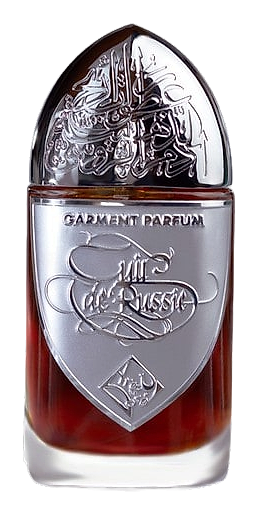
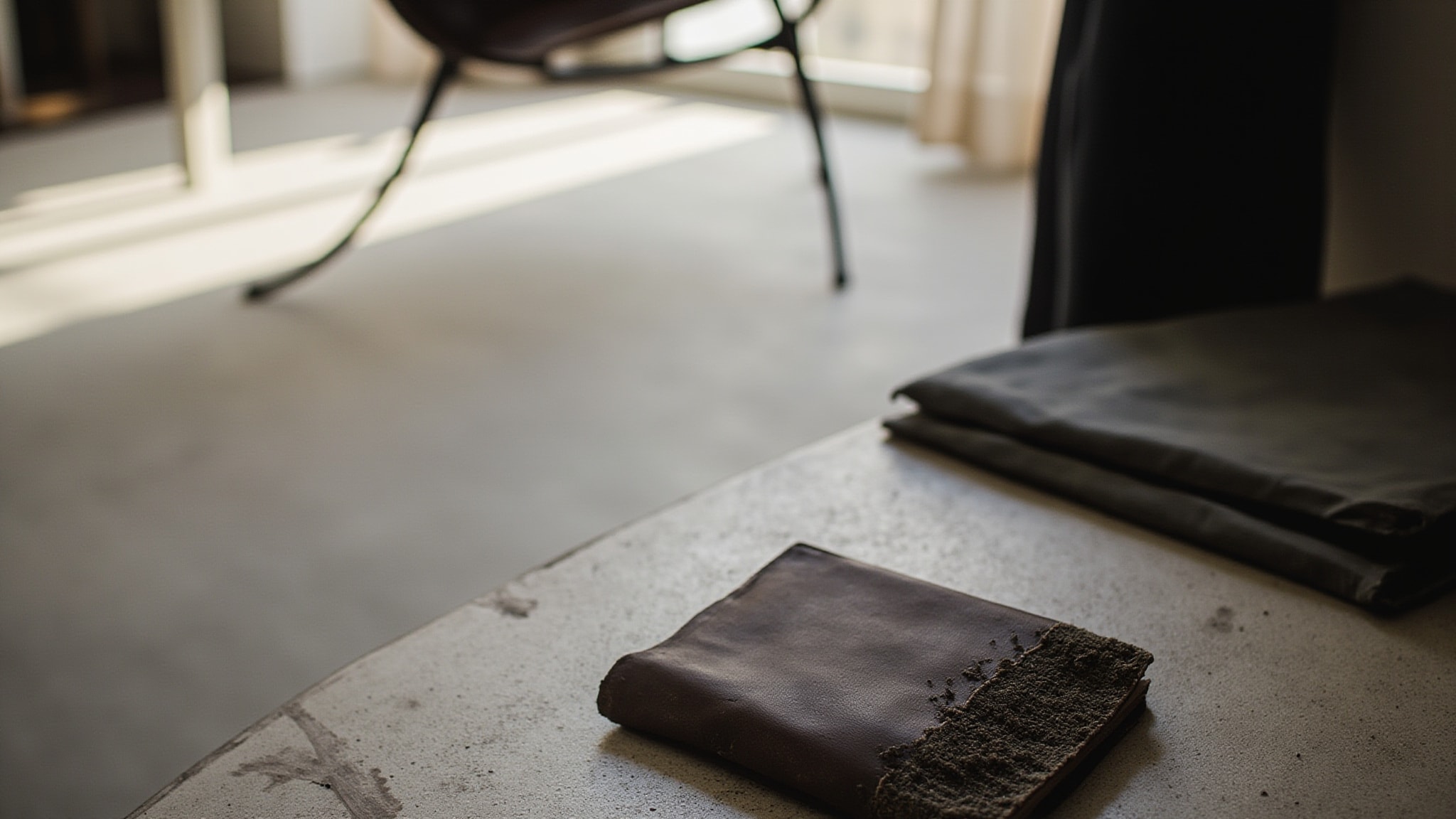
Russian Adam named this one for the Russian leather tradition, smoked, tarred, worked by hand in workshops that doubled as incense rooms. The name is not metaphorical. Cuir de Russie translates to Russian Leather, and in 2020, Russian Adam set out to make that smell mean something again. The crude birch tar anchors the composition. Violet, rose, and musk build from that foundation, each note finding its place within the structure.
The antique violet attar carries a grain, a slight oxidation that reads as depth rather than sweetness. Combined with blue lotus, cool, almost aquatic, a floral that refuses to be soft, the heart offers a compelling counterpoint to the opening. Castoreum arrives as a substantial presence, animalic and warm, taking the hand from the florals and leading them somewhere more intimate. The composition works because none of these materials apologize for what they are.
The evolution
The birch tar opens sharp, camphorated, smoky, almost aggressive. Then the violet leaf absolute emerges, green and cool, lifting the density. Rose and jasmine follow, not sweet but present, like someone entering a room quietly. The castoreum arrives with animalic warmth, taking the hand from the florals and leading them somewhere more intimate. By hour three, the leather base has dissolved into musk and amber, close to the skin, almost impossible to smell from across a table. The drydown lingers on fabric and skin alike, offering warmth and presence that extends well beyond the initial application, with the animalic notes staying close and intimate as the hours pass.
Cultural impact
Cuir de Russie draws those who seek something beyond conventional leather fragrances. The birch tar concentration means this behaves differently on fabric than on skin, offering a material character that sets it apart. For anyone exploring the boundaries of what leather can become, this fragrance presents an alternative approach to the genre.