The Story
Why it exists.
The beginning
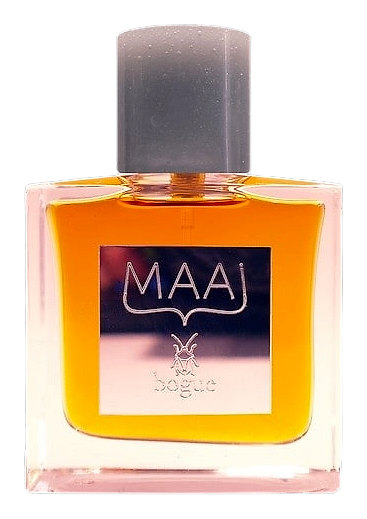
Maai emerged in 2014 from the Italian atelier of architect-turned-perfumer Antonio Gardoni. As Bogue Profumo's first standalone release, the fragrance served as a statement of intent from a maker who had trained in spatial and structural design before turning his full attention to scent. Gardoni builds compositions like an architect builds spaces, layering, amplifying, and testing structural limits rather than following convention. Maai was his test case: what happens if you extract the most striking elements of pre-IFRA chypre perfumery and rebuild them with the precision of someone who knows exactly how much force a structure can bear? The name, borrowing from a Japanese martial arts term, suggests balance through tension, two forces meeting without contact.
The aldehydes are the architecture here, and that word matters. In classical perfumery, aldehydes give a scent its shimmer, that lift that makes florals feel like they're catching light rather than sitting still. Most modern fragrances soften or omit them because they're technically demanding and easy to overdo. Gardoni put them center stage and built everything around that structural choice, adding green, intensely alive tuberose and letting jasmine and rose contribute their weight without apology. The civet is not buried, it anchors the composition the way a foundation anchors a building, and the resins and musk form the walls that keep the whole thing from flying apart.
The evolution
The aldehydes arrive first. Bright, a little metallic, tinged with green, Tuberose doing what tuberose does, pushing chlorophyll into the back of your throat. Then the heart opens: jasmine and rose in no particular order, overlapping until it's impossible to tell where one ends and the other begins, dense and cream-heavy. The civet announces itself plainly. Not in a warning way, it owns the room with the confidence of someone who's been invited and then promoted. By the second hour, the florals begin to recede, not disappearing but settling, making room. The resins and musk arrive last and stay longest. This is the part people talk about: eight hours in, on most skin, and Maai is still close and animal and present, not projecting aggressively but refusing to leave, the kind of longevity that means a fragrance becomes part of what you smell like.
Cultural impact
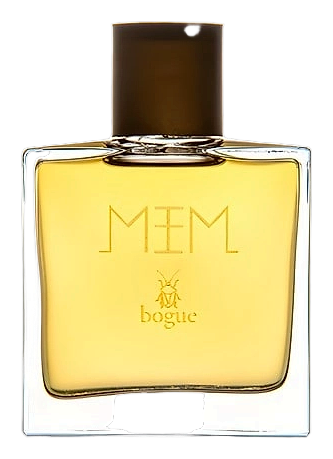
Maai has become a reference point in niche fragrance circles for what happens when a maker commits fully to the neo-chypre project, the aldehydic lift, the animalic depth, the mossy green backbone that defines the genre at its most uncompromising. Within the Bogue catalog, it remains the foundational work against which MEM, Noun, and subsequent releases are measured. The fragrance community continues to discuss it in the context of other bold niche fragrances that refuse to be background music.