
The Story
Why it exists.
The beginning
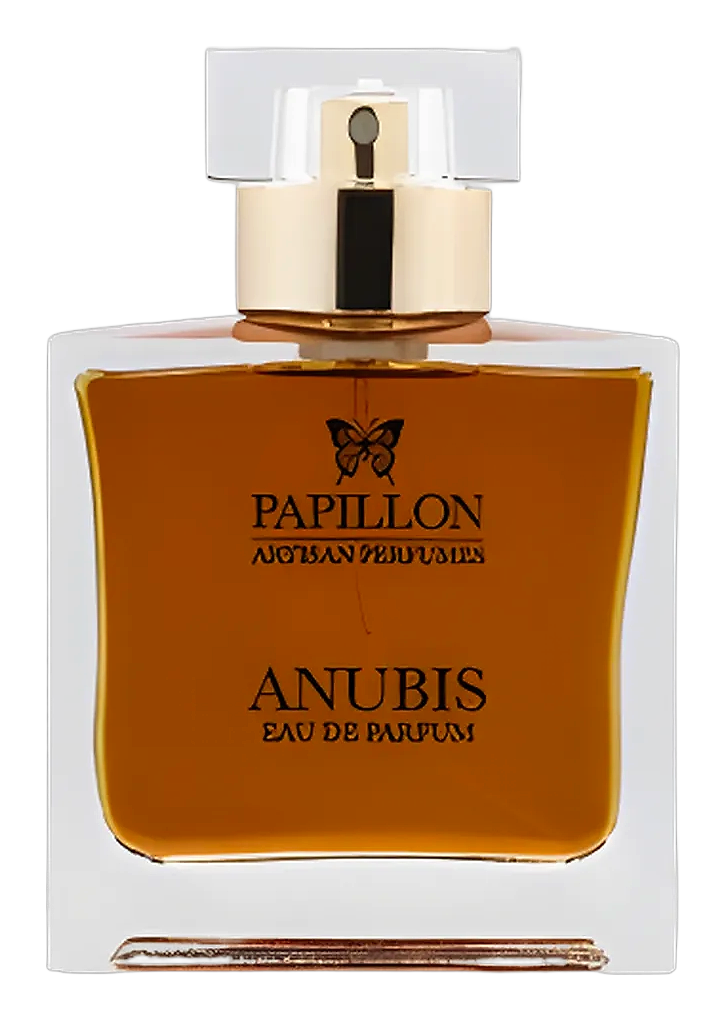
Anubis takes its name from the jackal-headed Egyptian god of death, mummification, and the gates to the afterlife, the deity who prepared the dead for their journey. Liz Moores named this fragrance after that ancient figure, drawing on the weight of ritual, preservation, and the passage between worlds. The mythological resonance is deliberate. This isn't a fragrance that attempts to recreate Egypt in a bottle, it carries something of the sacred, the dark, the unhurried, layered in meaning that compounds over time. The name alone conjures weight: the ceremonies, the care taken at the threshold, the slow work of preparing what must cross over. Moores channels that into scent rather than story, letting the materials speak to what symbols can only gesture at.
What makes Anubis unusual is its structural approach. Suede appears as a note, present in the composition, shifting character as the composition evolves. Frankincense plays a similar role, revealing different qualities as the hours pass. The Egyptian jasmine brings a richness that can feel almost resinous, warmer than one might expect from a floral note, giving the heart an unexpected depth. Immortelle adds a honeyed, slightly medicinal quality that some wearers find polarizing, but which anchors the heart in something distinctly non-mainstream.
The evolution
The opening arrives quietly but builds with intention. Suede and frankincense emerge together, smoke curling against soft leather, softened slightly by saffron's warm, almost metallic shimmer, not sharp, but definitely present. As the composition evolves, the jasmine becomes more prominent, and the scent shifts from smoky to lush. The immortelle arrives, bringing a honeyed, slightly medicinal edge that some people read as the fragrance's most challenging move. If anything in Anubis will make you pause, it's this. The sillage moderates as the composition progresses, the suede settles close to the skin, and sandalwood becomes more noticeable, creamy, warm, almost meditative. Pink lotus lingers in the background, present alongside the other notes rather than dominating the drydown. By the later hours, this becomes intimate.
Cultural impact
Anubis has accumulated a devoted following among niche fragrance collectors who appreciate darker, more complex orientals. It stands out as one of the house's most distinctive offerings, drawing attention for its unconventional approach to familiar note families. The fragrance occupies a notable place within the Papillon range, appealing to those who seek depth and complexity beyond more accessible orientals.