
The Story
Why it exists.
The beginning
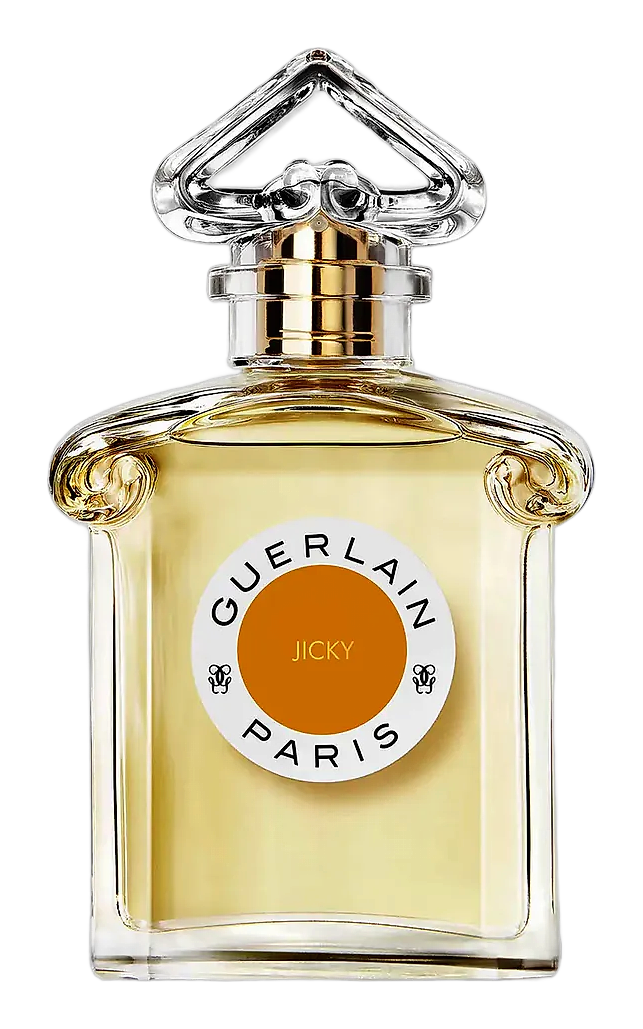
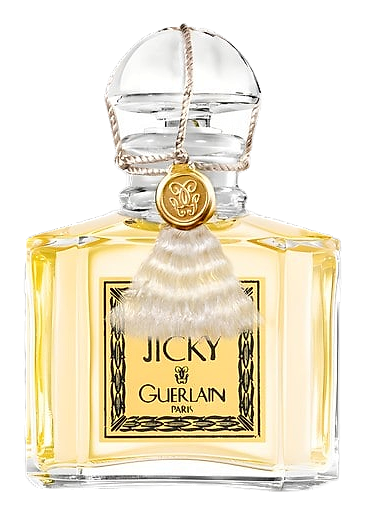
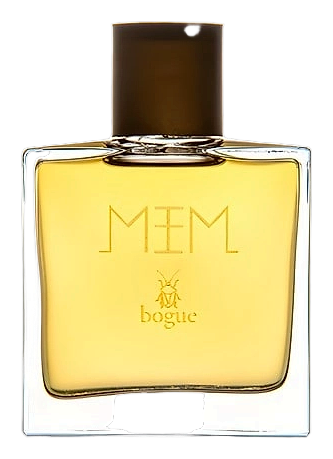
Not since Jicky in 1889 had a perfumer done something so radical to lavender. That's the claim, and for once, the brand isn't overreaching. Antonio Gardoni, the architect-turned-perfumer who founded Bogue Profumo, took the sunny herb and ran it through clay, wood, minerals, burned sugar, and wax. What emerged was something that smelled like lavender had been translated into another language entirely, still recognizable, but transformed at the molecular level. MEM arrived in 2017, the year the niche fragrance world was still catching up to what Gardoni had been building since Maai in 2014.
The malt is the tell. Most lavender fragrances keep the herb clean, soapy, acceptable. Gardoni let his go grainy. The warmth of malt alongside ylang-ylang and vanilla creates a sweetness that shouldn't work, lavender doesn't do dessert. But then, this isn't a lavender fragrance. It's an argument that classical materials, pushed to their extreme, become something the pyramid formulas never intended. The animalic base (civet, castoreum, ambergris) isn't decoration. It's the proof that Gardoni wasn't playing it safe.
The evolution
The opening arrives like a dare. Dark, almost funky lavender, less herb, more mineral. Clay and cepes, as the LuckyScent description has it. Grapefruit and petitgrain cut through the green for the first fifteen minutes, sharp and almost medicinal before the malt arrives to sweeten the deal. By the second hour, the aromatic heart has taken over. Mint, geranium, bay leaf. Ylang-ylang brings its tropical weight. Vanilla thickens the air. This is where MEM earns its reputation, it's dense, it's layered, it's doing multiple things at once. The base is where it gets personal. Civet and castoreum announce themselves without apology. Musk amplifies everything. Ambergris and benzoin bring that salty, tar-like warmth. By hour five, the animalic has settled into something intimate, close to skin, the kind of warmth that belongs to a room where two people have been. The final drydown is woody: sandalwood, labdanum, rosewood, cedarwood holding everything together. MEM doesn't disappear. It fades into you.
Cultural impact
MEM draws inevitable comparison to Guerlain's Jicky from 1889, the fragrance that first radicalized lavender by pairing it with animalic notes and allowing it to become something other than a clean-soap accord. Like Jicky, MEM has divided opinion: some find the malt-lavender combination genuinely novel, others can't get past the animalic intensity. What both share is a willingness to use a classical material as a provocation rather than a comfort. The fragrance has found its audience among wearers who seek aromatic compositions with real density, not a smooth skin-scent but something that announces itself, evolves, and earns its projection. In the landscape of niche perfumery, MEM occupies territory alongside Tauer No.