Champa Flower
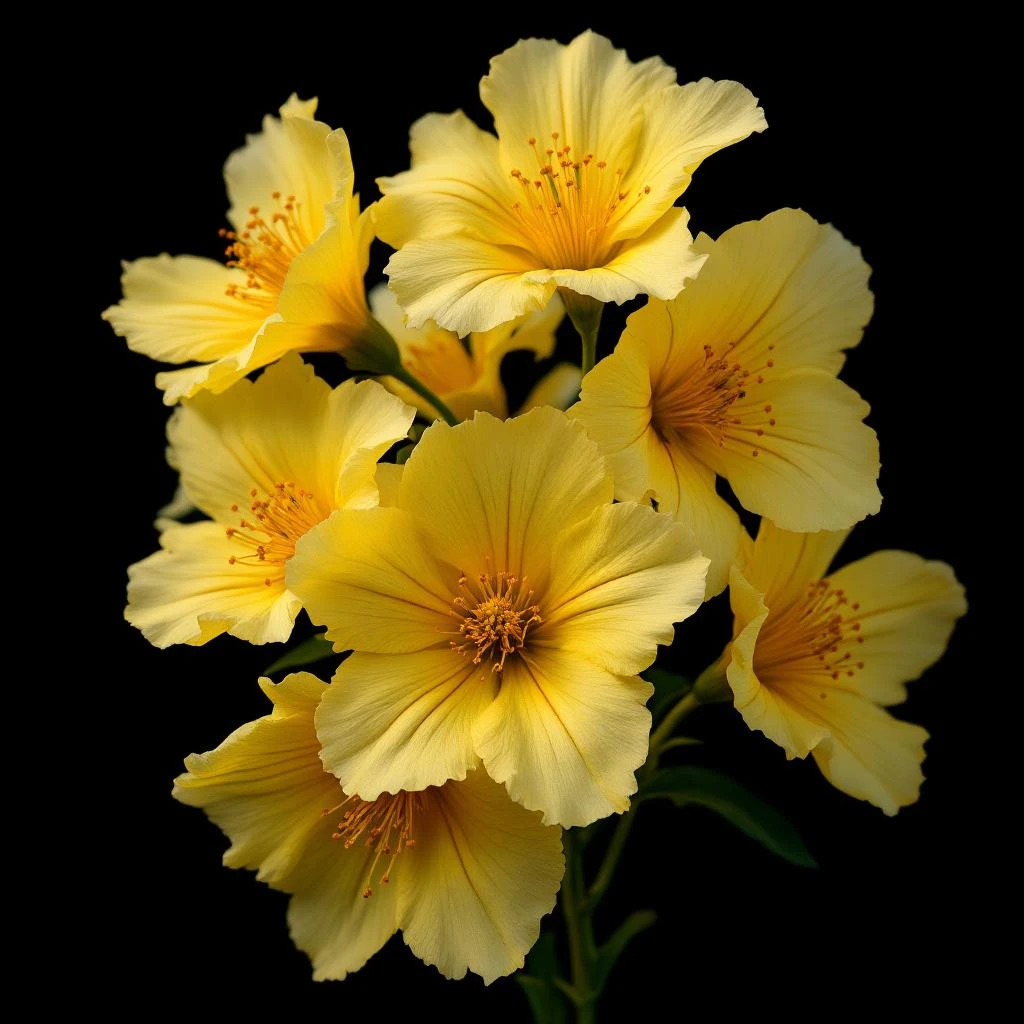
The creamy, intoxicating heart of tropical florals. Champa (Magnolia champaca) unfurls its rich, narcisse-like warmth across the mid-palette, lending fragrances an opulent, almost otherworldly floral presence.
Character
How it smells
Tropical narcotic. Creamy floral opulence.
In Indian tradition, champa flowers were strung into garlands for sacred ceremonies, their intoxicating scent believed to aid meditation and spiritual practice.









Origin
India
Michelia champaca originates from the Himalayan foothills and has been cultivated across South and Southeast Asia for over two millennia. Ancient Ayurvedic texts document its use in traditional medicine, while temple gardens throughout India have sheltered these fragrant trees for centuries.
Buddhist and Hindu traditions both employ champa flowers in ceremonial offerings, and the trees line the pathways of many sacred sites across the subcontinent. The species traveled with traders along maritime routes, establishing itself in Indonesia, the Philippines, and beyond.
European colonizers encountered champa in the 16th century but never successfully cultivated it in temperate climates, preserving its mystique as an exotic eastern treasure. The flower's golden hue and powerful fragrance made it a symbol of prosperity and spiritual awakening in multiple Asian cultures.
Wears it best
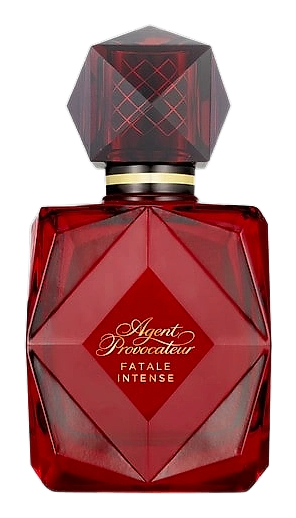
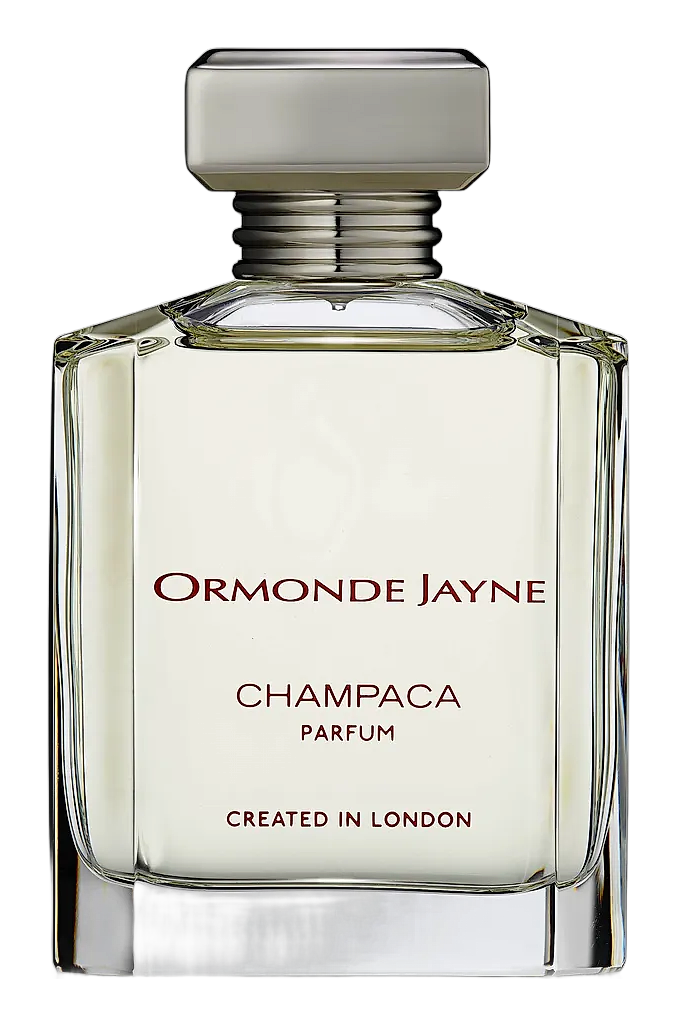
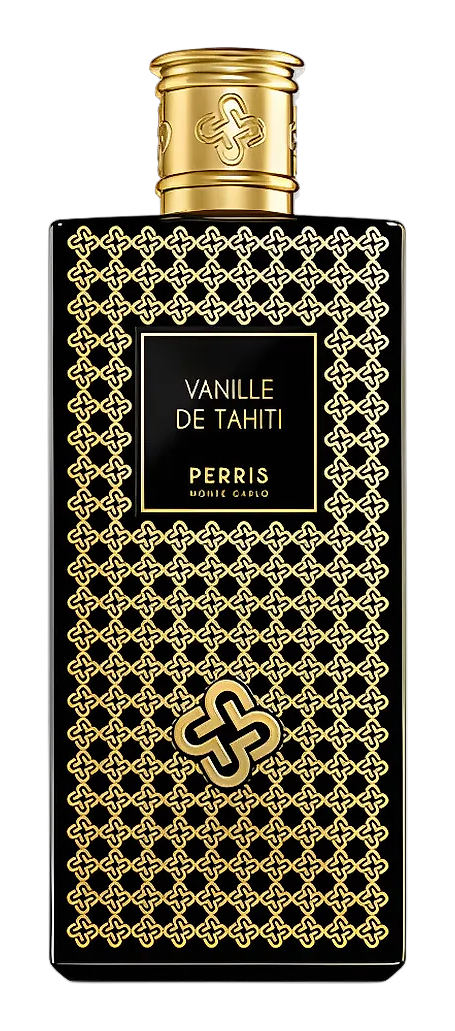
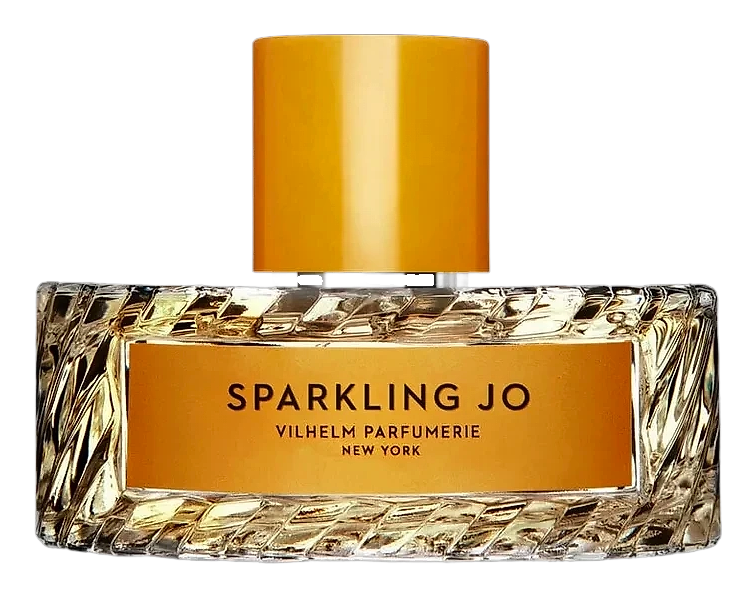
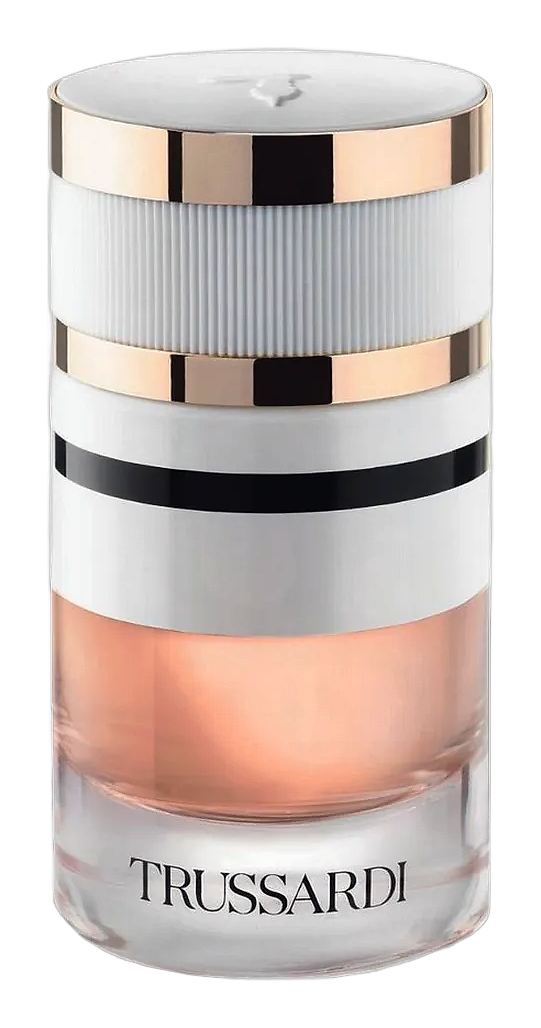
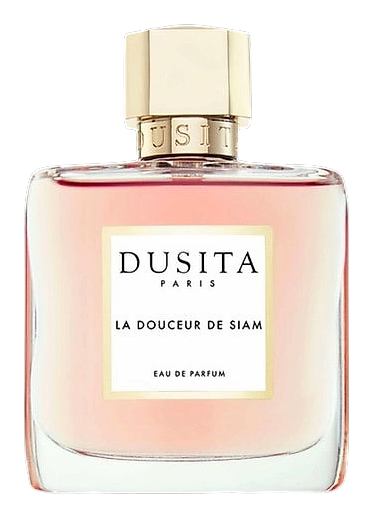
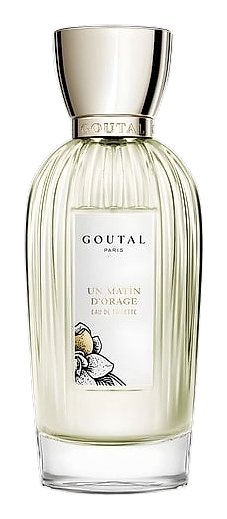
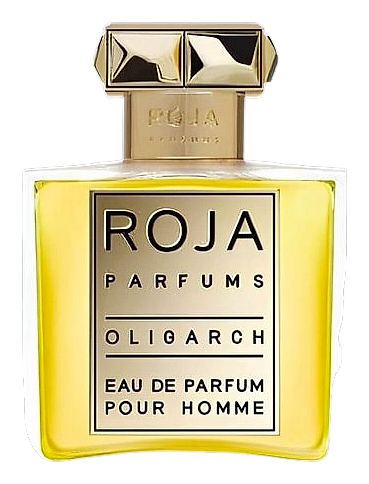
Fragrances featuring Champa Flower


Brands
Brands known for Champa Flower
Good to know
Questions, answered
The essentials on Champa Flower in perfumery: how it smells, where it comes from, and how it behaves on skin.
What does champa absolute smell like?
Champa absolute presents a rich, creamy floral character with narcotic warmth. The scent combines heady tropical florals with a subtle waxy depth and faint animalic undertones that add complexity. 2-phenylethanol contributes its rosy, floral sweetness, while trace indolic compounds lend an intriguing sensual edge.
Is champa a natural or synthetic ingredient?
Champa is a natural material derived from Magnolia champaca flowers. It is extracted via solvent extraction to produce an absolute. Some fragrance houses also create champa-like aromatic molecules synthetically to replicate the scent profile at lower cost.
What fragrance families use champa?
Champa appears primarily in oriental and exotic floral compositions. Perfumers use it as a heart note to add opulent tropical florality to fragrances ranging from rich orientals to soft, creamy white florals.
Why is champa so expensive?
The yield is exceptionally low. Approximately 400 to 500 kilograms of fresh flowers yield only one kilogram of absolute. The flowers must be processed within hours of harvesting, and the tree produces blooms seasonally, making consistent supply challenging.
Where does champa originate?
Magnolia champaca is native to South and Southeast Asia, particularly India, Nepal, and Indonesia. The species thrives in tropical and subtropical climates and has been cultivated for centuries across temple gardens and botanical settings.
What part of the champa plant is used?
Only the flower petals are used in perfumery. The fragrant blooms are harvested by hand, typically during early morning when their aromatic intensity peaks. The waxy petals yield their aromatic compounds efficiently to solvents.
How is champa different from frangipani?
Both are tropical florals, but champa offers greater aromatic intensity and complexity. While frangipani cannot be naturally extracted and relies on synthetic recreation, champa yields a usable absolute. Champa also exhibits a creamier, more Narcisse-like character compared to frangipani's apricot freshness.
What is the traditional Indian use of champa?
Indian perfumery (Gandha Shastra) employs steam distillation to produce rooh, an aromatic water. Temple traditions use fresh champa flowers in garlands and offerings. The scent has held sacred significance in Buddhist and Hindu ceremonies for centuries.



