The Heritage
The Story of Brecourt
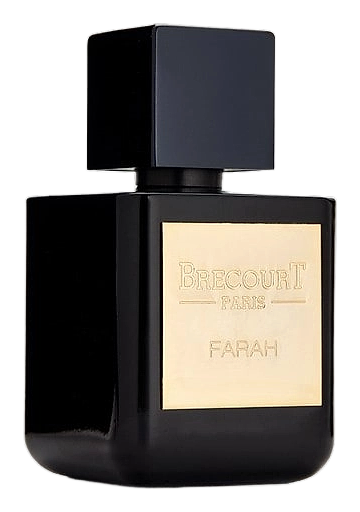
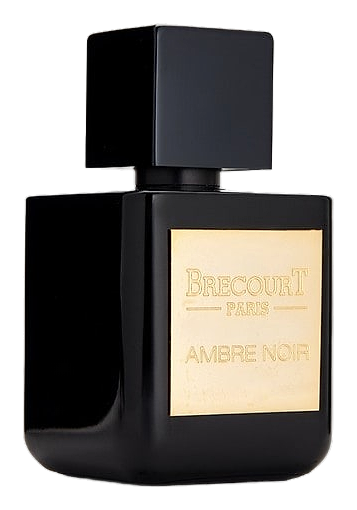
Brecourt is a French niche perfume house that emerged in Paris in 2010. Founded by perfumer Emilie Bouge, the brand quickly built a modest catalogue that includes Farah, Contre Pouvoir and Ambre Noir from its launch year, followed by Rosa Gallica, Osmanthus Guilin and others. Brecourt’s scents are known for clear structures and a quiet confidence that appeals to collectors who value craftsmanship over hype.
Heritage
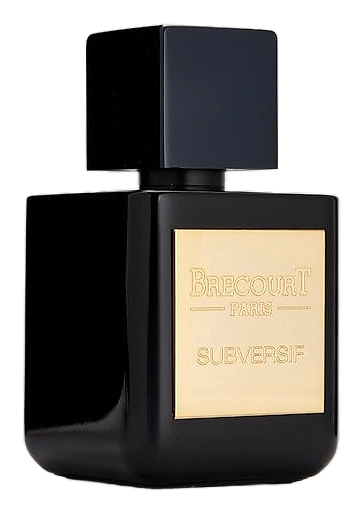
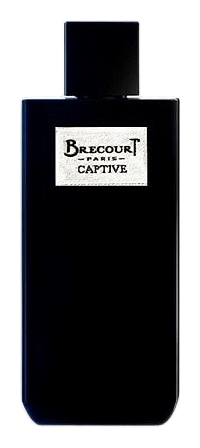
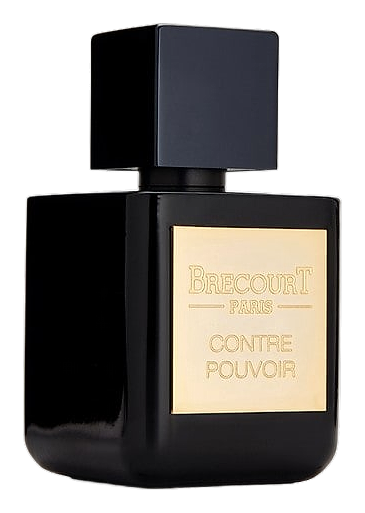
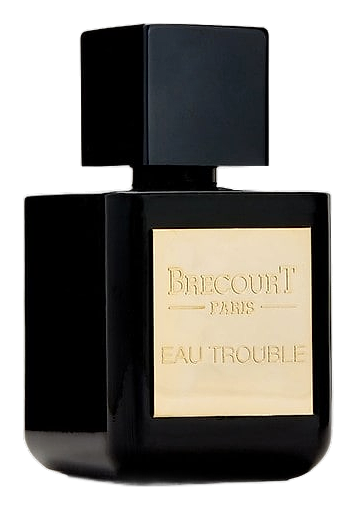
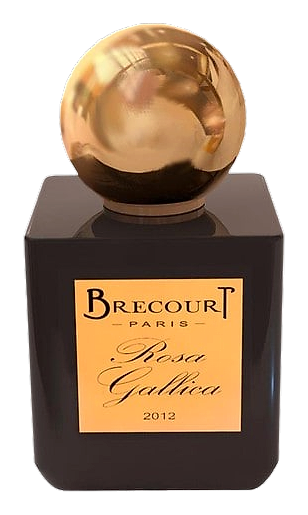
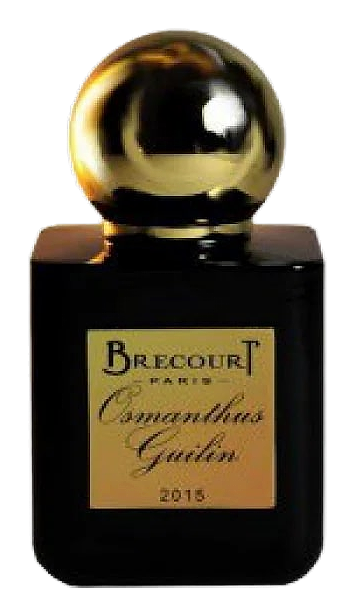
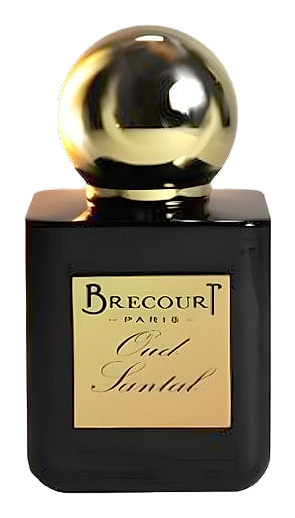
The story of Brecourt begins with Emilie Bouge, a trained perfumer who decided to translate her personal olfactory language into a brand. In 2010 she launched Brecourt in Paris, positioning the house as a laboratory for intimate, narrative‑driven fragrances. The first wave of releases – Farah, Contre Pouvoir, Ambre Noir, Eau Trouble and Esprit Mondain – all appeared in the same year, establishing a rapid creative rhythm. By 2012 the line expanded with Rosa Gallica, a floral homage that demonstrated Bouge’s willingness to revisit classic ingredients through a contemporary lens. 2014 brought Osmanthus Guilin, a scent inspired by a Chinese city and noted for its precise balance of green fruit and warm woods. The following year, Oud Santal introduced a nuanced take on oud, pairing it with creamy sandalwood rather than the typical heavy oriental backdrop. Subversif arrived in 2016, a fragrance that subtly challenged the house’s own conventions with an unexpected mineral accord. In 2018 Captive completed the current core collection, offering a restrained amber that reflects the brand’s ongoing interest in restraint and clarity. Throughout its first decade Brecourt has remained independent, avoiding large corporate ownership and maintaining a small‑scale production model that allows each launch to be carefully overseen by its founder. The house’s modest size has fostered close relationships with raw material suppliers, particularly in Grasse and the broader Provence region, ensuring that each ingredient arrives with a traceable provenance. While Brecourt does not publish sales figures, its presence in specialty boutiques across Europe and Asia indicates a steady, niche‑focused growth that aligns with its original intent: to create perfumes that speak directly to the wearer’s inner narrative.
Craftsmanship
Production at Brecourt follows a boutique‑scale model that blends traditional French techniques with selective modern practices. Raw materials are sourced from established growers in Grasse, the Provençal countryside and, for exotic notes, from certified farms in Southeast Asia. The house prioritises natural extracts, using cold‑pressed citrus oils, steam‑distilled absolutes and ethically harvested woods. When a synthetic component is required for stability, the choice is made after rigorous testing to ensure it does not mask the character of the natural ingredients. Each fragrance is blended in small batches, typically no larger than a few hundred liters, allowing the perfumer to monitor the evolution of the mixture over weeks. After blending, the perfume rests in stainless‑steel tanks for a maturation period that can range from one to three months, depending on the composition. This resting phase lets volatile top notes settle and the heart and base to integrate fully. Quality control includes gas‑chromatography analysis to verify the concentration of key accords and sensory panels that evaluate the scent at different stages of its life cycle. Bottling occurs in a Parisian facility that uses hand‑filled glass vessels, sealed with aluminum caps that protect the perfume from light and oxidation. The house also offers limited‑edition releases that are hand‑numbered, reinforcing the artisanal nature of the process. Throughout the workflow, Bouge remains directly involved, tasting and adjusting the formula until it meets her exacting standards. This hands‑on approach ensures that each Brecourt fragrance retains a consistent identity while allowing subtle variations that reflect the natural variability of the raw ingredients.
Design Language
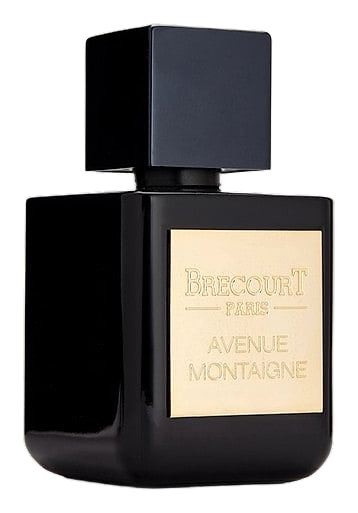
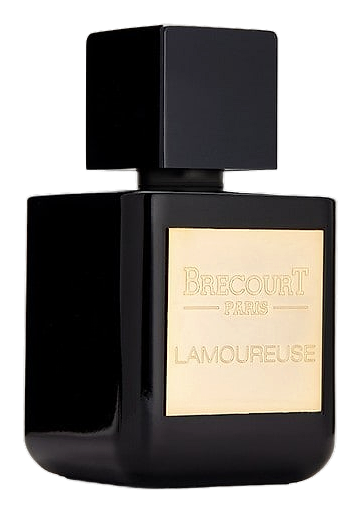
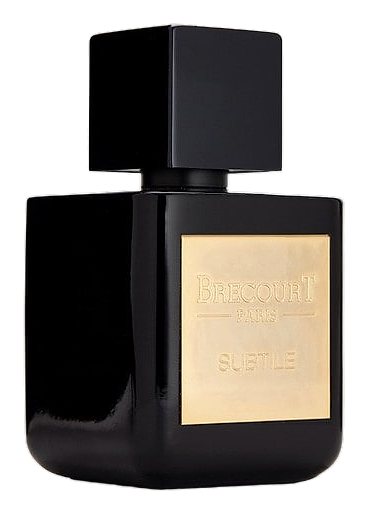
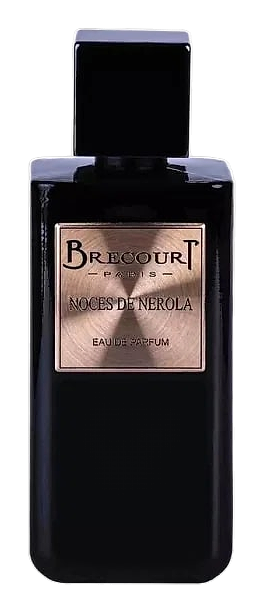
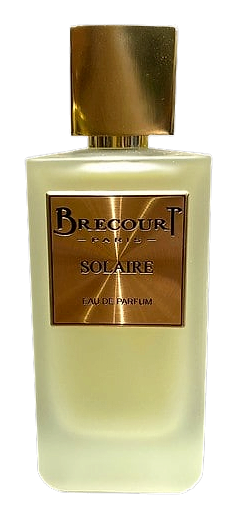
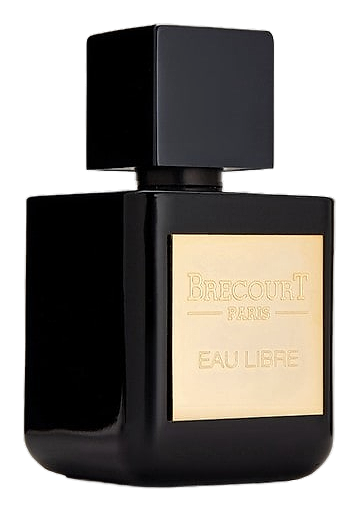
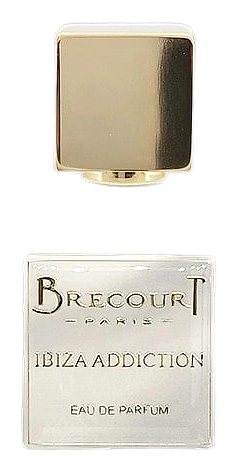
Visually, Brecourt adopts a minimalist aesthetic that mirrors its olfactory restraint. Bottles are typically clear glass with simple, unadorned silhouettes, allowing the colour of the perfume to become the focal point. Labels are printed in a thin, sans‑serif typeface, often limited to the brand name, fragrance title and a brief note about the scent’s inspiration. Caps are matte aluminium, chosen for their neutral tone and ability to protect the liquid from light exposure. The packaging palette favours muted tones—soft greys, warm beiges and occasional pastel hues—that echo the subdued character of the fragrances themselves. Marketing imagery relies on natural light and close‑up textures, such as the grain of a wooden table or the surface tension of a droplet, rather than elaborate set pieces. This visual language reinforces the brand’s commitment to authenticity and to letting the perfume stand on its own merits. In boutique displays, Brecourt often uses reclaimed wood shelves and simple glass holders, creating an environment that feels both contemporary and timeless. The overall image is one of quiet confidence, inviting the wearer to explore the scent without distraction.
Philosophy
Brecourt’s creative vision rests on the idea that a perfume should act as a personal diary, recording moments rather than shouting trends. Emilie Bouge has repeatedly emphasized the importance of honesty in scent, preferring ingredients that reveal themselves over time instead of relying on synthetic shortcuts. The brand values transparency, both in ingredient sourcing and in the storytelling that accompanies each launch. Rather than chasing awards, Brecourt measures success by the depth of the emotional response a fragrance elicits. This philosophy translates into a restrained marketing approach: the house lets the bottles speak for themselves, offering minimal packaging and concise descriptions that focus on the olfactory journey. Sustainability also features in the brand’s ethos; Bouge has spoken about selecting suppliers who practice responsible farming, especially for natural extracts such as oud and sandalwood. The house’s small team enables a hands‑on review process, allowing the creator to adjust formulas until the scent aligns with her inner narrative. In interviews, Bouge has described her work as a dialogue between memory and material, a conversation that respects both the past of French perfumery and the evolving tastes of contemporary collectors.
Key Milestones
2010
Brecourt founded in Paris by perfumer Emilie Bouge; launch of five inaugural fragrances (Farah, Contre Pouvoir, Ambre Noir, Eau Trouble, Esprit Mondain).
2012
Release of Rosa Gallica, a floral tribute that expands the house’s exploration of classic French notes.
2014
Osmanthus Guilin introduced, reflecting a cross‑cultural inspiration from the Chinese city of Guilin.
2015
Oud Santal launched, offering a nuanced pairing of oud with creamy sandalwood.
2016
Subversif released, a scent that subtly challenges the house’s own compositional expectations.
2018
Captive added to the core line, presenting a restrained amber that underscores the brand’s focus on subtlety.
At a Glance
Brand profile snapshot
Origin
France
Founded
2010
Heritage
16
Years active
Collection
1
Fragrances released
Avg Rating
4.0
Community sentiment
Release Rhythm


