



The Heritage
The Story of Salvador Dali
Salvador Dalí fragrances translate the Spanish surrealist’s visual imagination into scent. The line began in 1983 with a perfume that honored his wife Gala, and it has grown to include men’s, women’s, and limited‑edition collections that echo the artist’s bold colors, dream‑like narratives, and love of theatrical presentation. Each bottle bears a design touch from Dalí himself, turning a daily ritual into a small work of art that invites the wearer to linger in a world of paradox and wonder.
Heritage
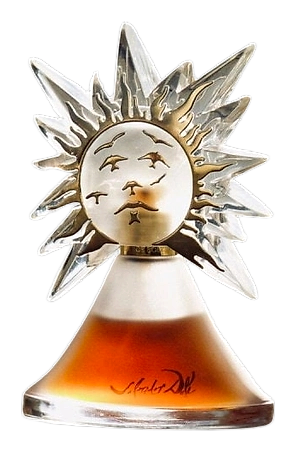
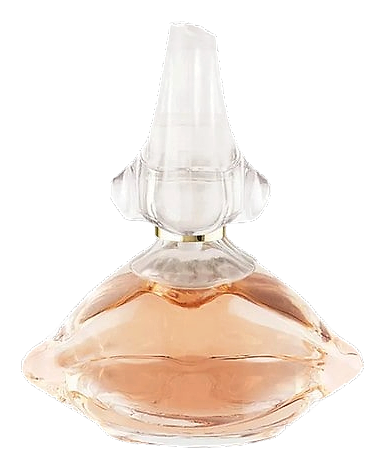
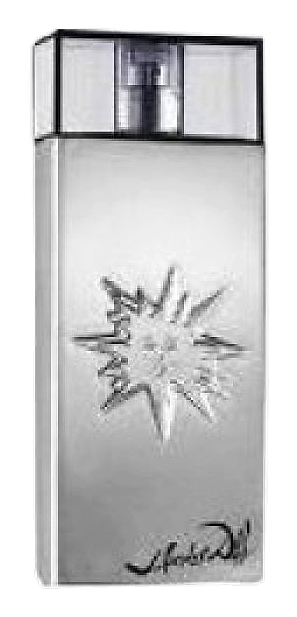
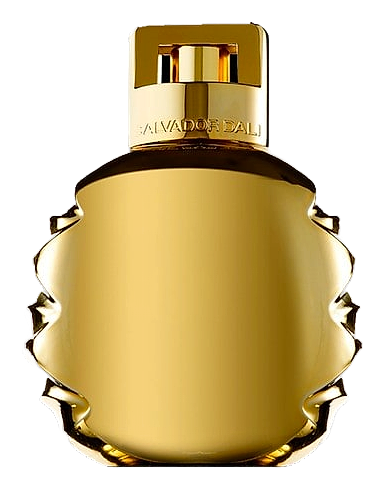
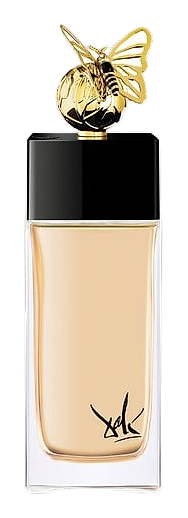
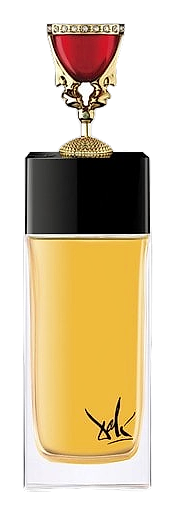
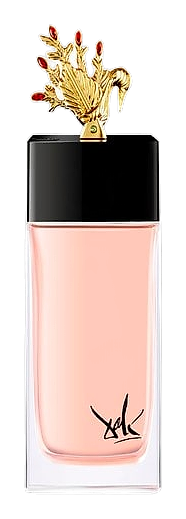
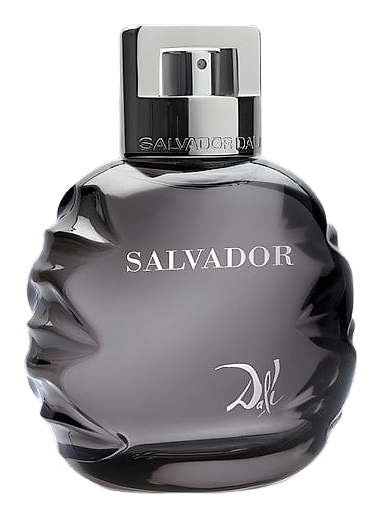
The partnership that birthed the Dalí perfume house started in 1957 when the French fragrance firm Marquay approached the painter to create bottle artwork for a new scent. Dalí’s involvement gave the brand an artistic pedigree that set it apart from conventional perfume houses. In 1983 the first fragrance, simply titled Dali, was released; it was presented as a tribute to Gala, Dalí’s wife and muse, and the bottle featured a melting‑clock motif that referenced his famous paintings. Four years later, Salvador Dalí Pour Homme arrived, with Thierry Wasser credited as the nose; Wasser would later become head perfumer at Guerlain, underscoring the line’s connection to top‑tier talent. The early 1990s saw a brief expansion with the 1992 release of Salvador by Salvador Dalí, a floral‑oriental composition that reinforced the brand’s commitment to narrative‑driven scents. After a quiet period, the brand revived in 2011 with the Fabulous series – Fabulous 1 – Dali and Fabulous 2 – Dalissime – which re‑interpreted the original aesthetic for a new generation. Subsequent releases such as Fabulous Mandawa (2017) and Fabulous Srinagar (2017) drew on exotic locales that fascinated Dalí during his travels, while Silver Sun (2013) and Voyage Onirique Du Papillon De Vie (2015) explored light and transformation, themes recurrent in his paintings. Today a dedicated fragrance house maintains the line, preserving Dalí’s original vision while collaborating with contemporary perfumers to keep the collection fresh and relevant.
Craftsmanship
Every Dalí fragrance begins with a brief that references a specific painting, sketch, or personal anecdote from the artist’s life. Perfumers then select raw materials that can evoke the intended visual cue – for example, the use of orange blossom in Salvador Dalí Pour Homme to mirror the bright hues of Dalí’s Mediterranean landscapes. Traditional French perfumery techniques dominate the production process: ingredients are macerated, distilled, and aged in temperature‑controlled copper vats, allowing the scent to mature and integrate fully. The brand sources many of its natural extracts from regions highlighted in the Fabulous series – sandalwood from India for Mandawa, rose from the valleys of Kashmir for Srinagar – and each batch is accompanied by a certificate of origin. Quality control includes blind olfactory panels that evaluate stability, projection, and fidelity to the original brief. Bottles are hand‑finished; Dalí’s original sketches guide the glassblowers, who shape the containers to echo surreal elements such as dripping clocks or elongated silhouettes. The final product is sealed with a waxed cork and wrapped in a paper sleeve printed with excerpts from Dalí’s own writings, turning the unboxing into a tactile extension of the scent’s story.
Design Language
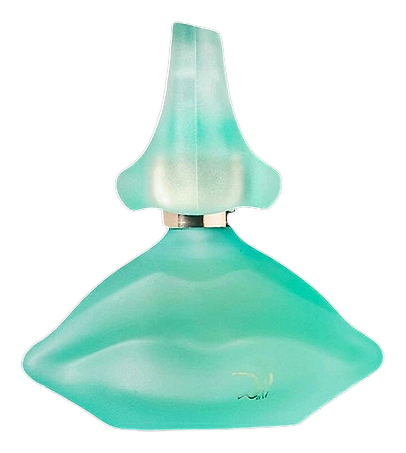
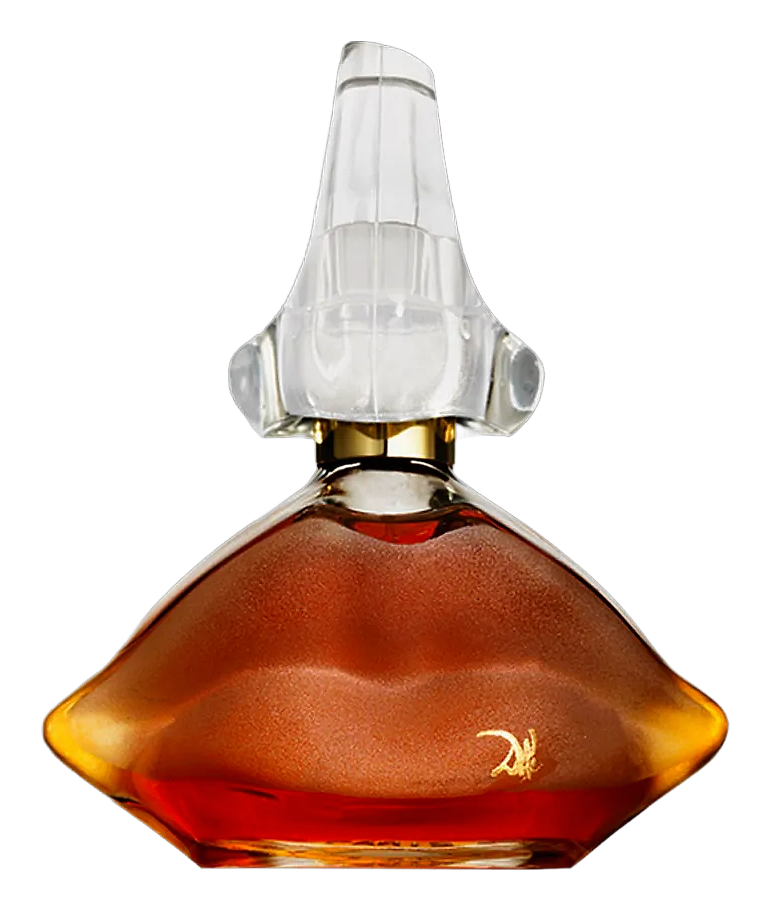
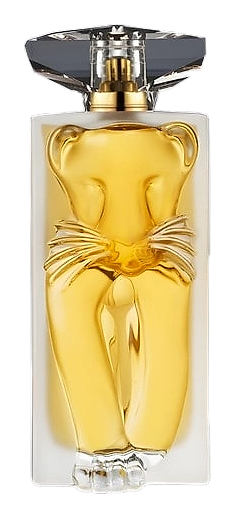
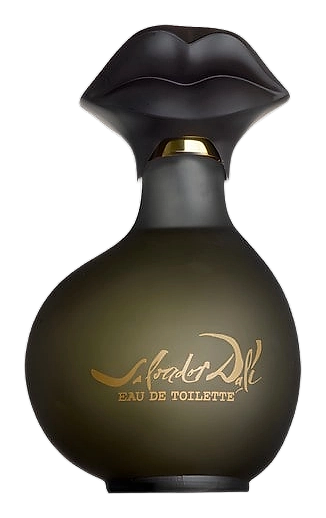
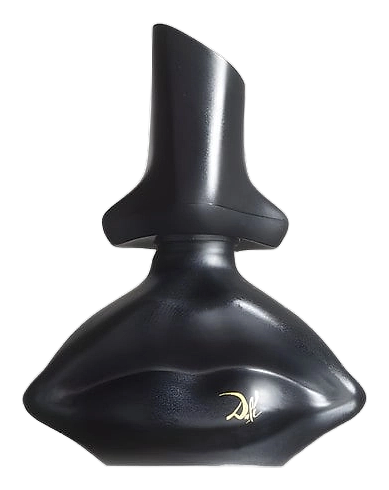
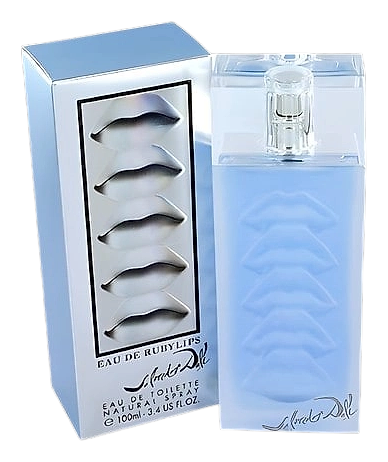
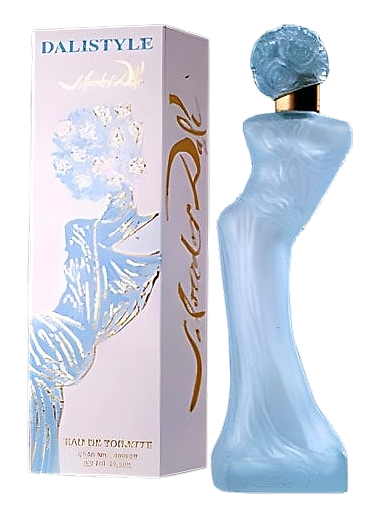
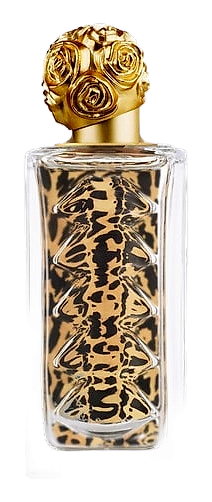
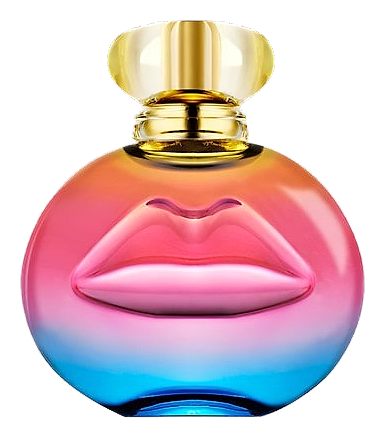
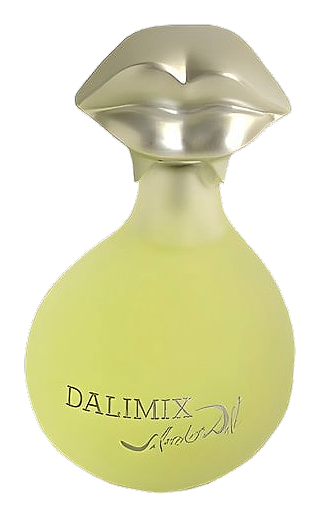
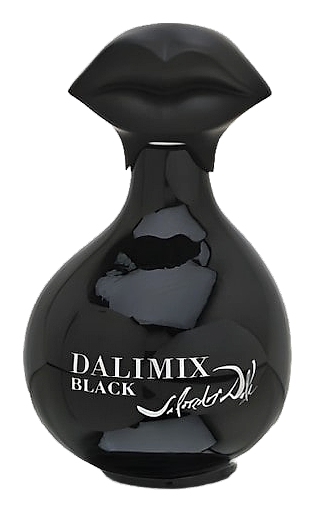
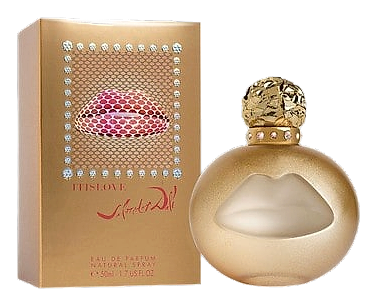
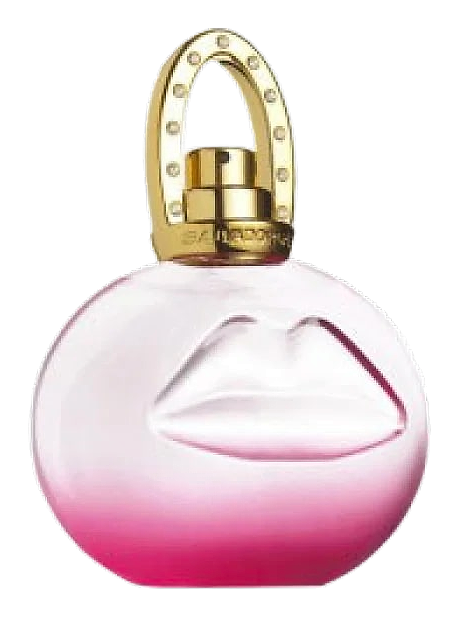
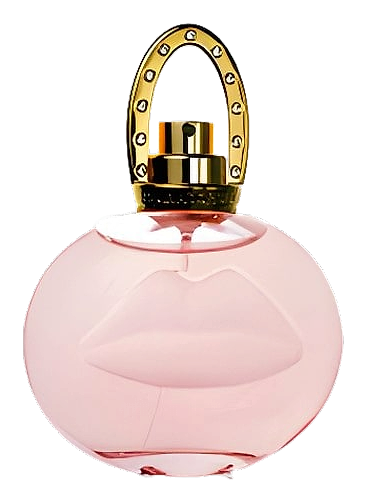
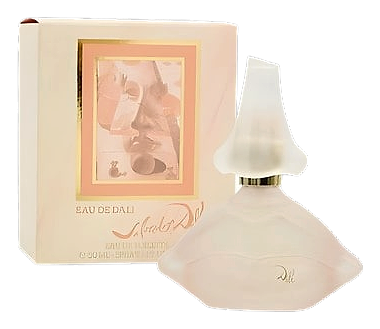
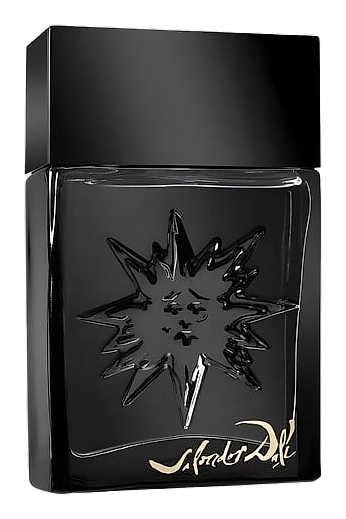
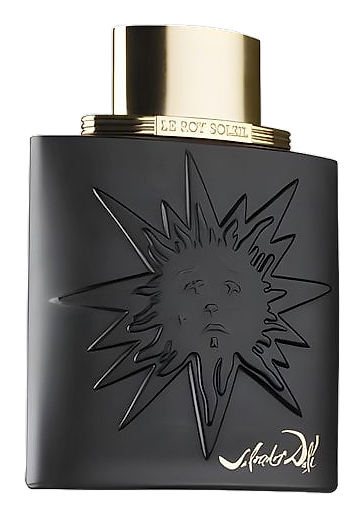
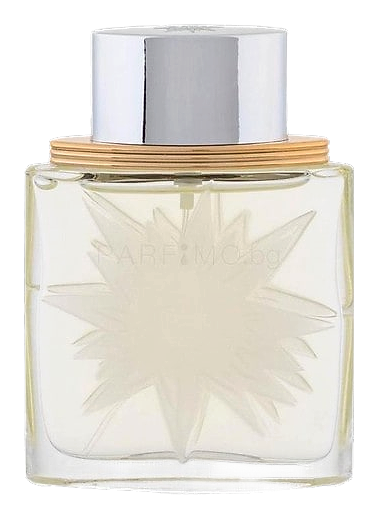
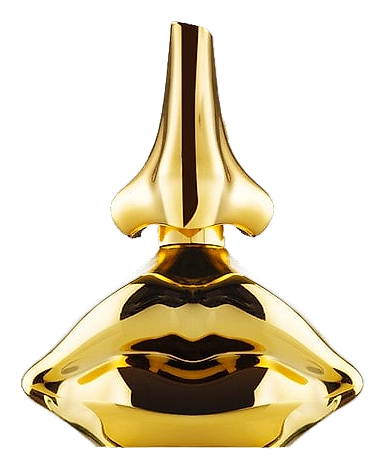
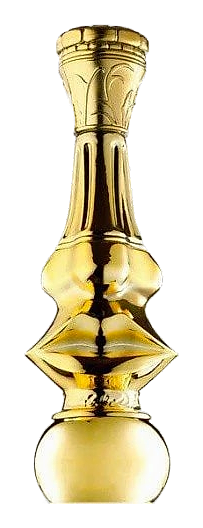
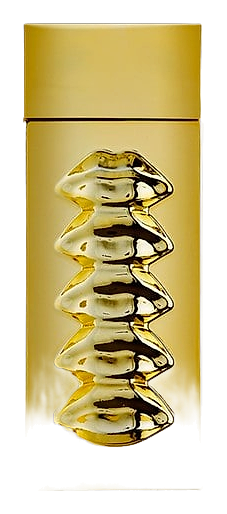
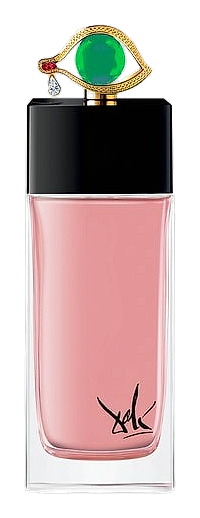
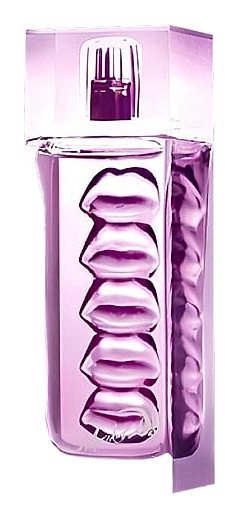
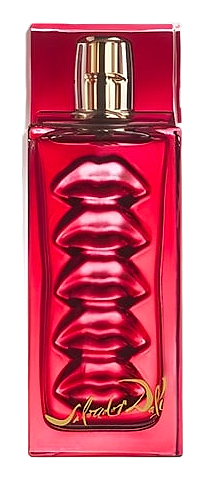
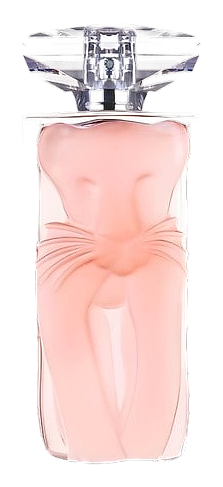
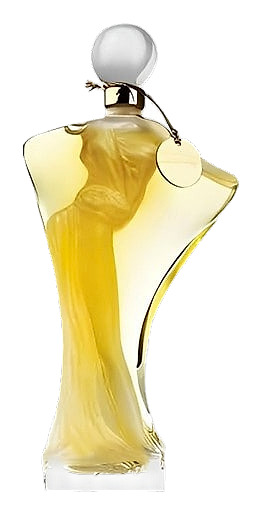
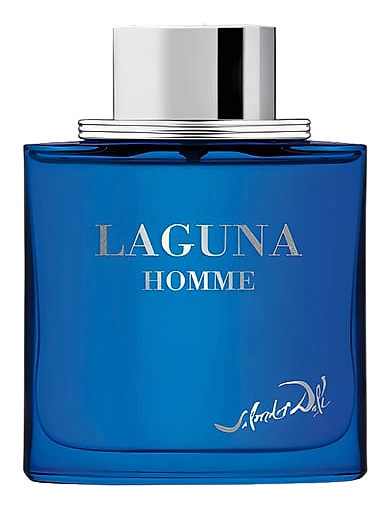
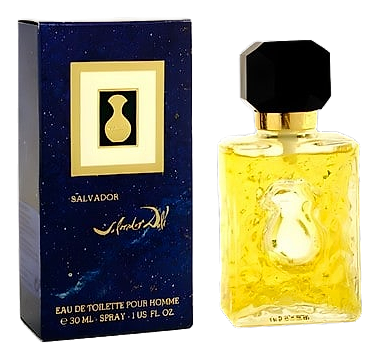
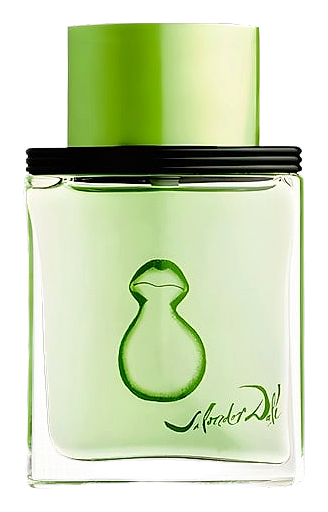
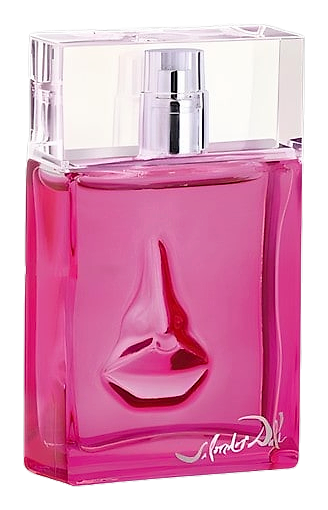
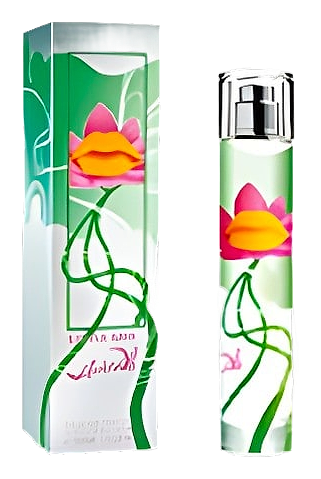
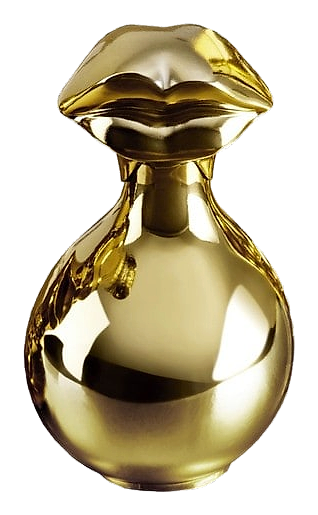
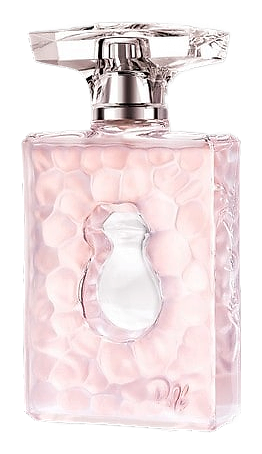
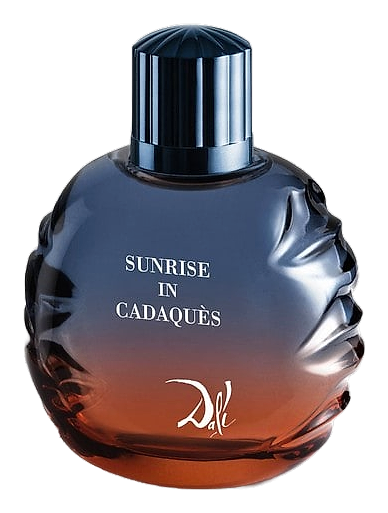
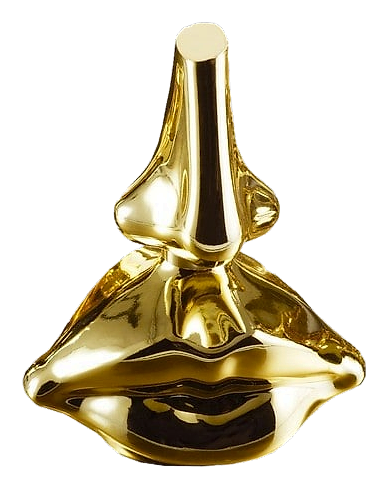
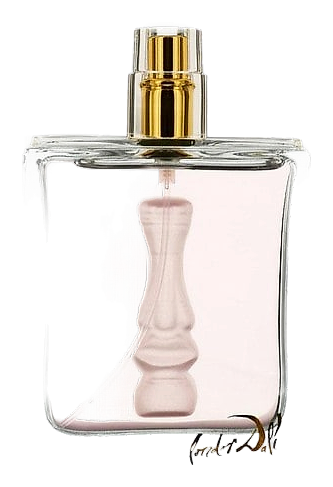
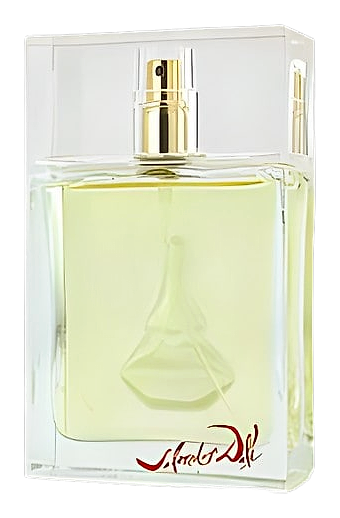
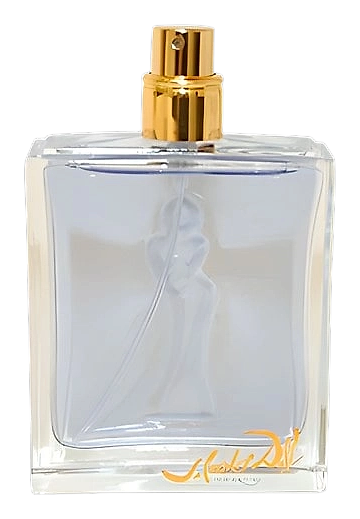
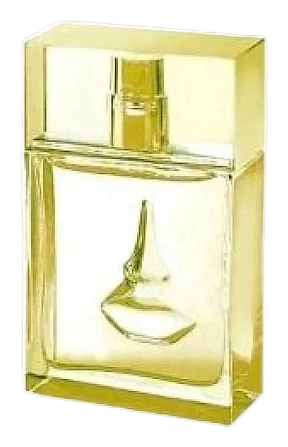
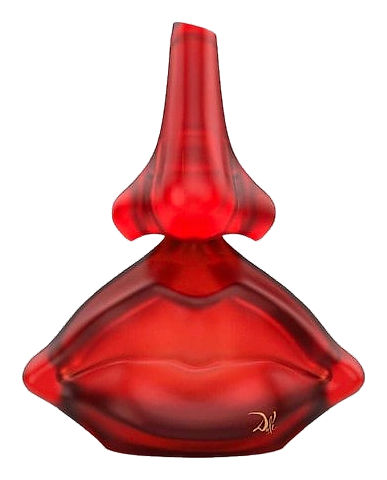
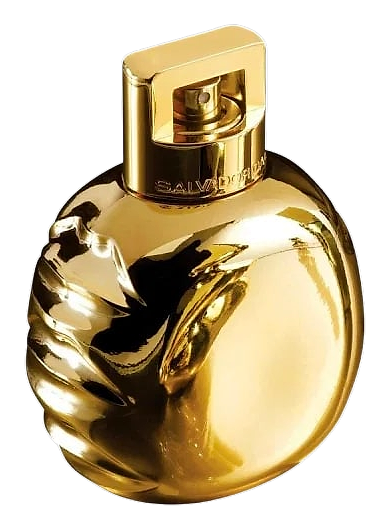
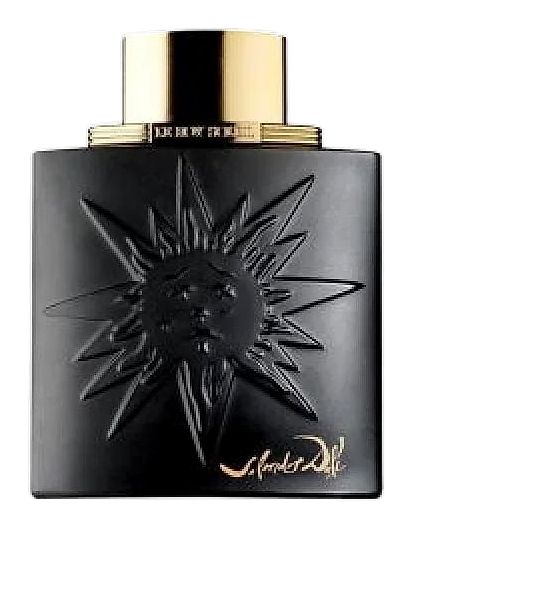
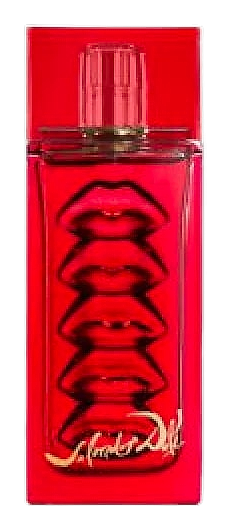
Visual identity for the Dalí line leans heavily on the painter’s most recognizable motifs. Early bottles featured a melting clock motif rendered in clear glass, while later editions introduced bold, saturated colors that echo the palette of his later works. The label typography uses a serif font reminiscent of early 20th‑century Spanish signage, paired with gold foil accents that reference the gilded frames of his paintings. Limited‑edition releases often include a miniature replica of a Dalí sketch tucked into the cap, inviting collectors to explore the connection between scent and sight. Packaging boxes are printed with high‑contrast black‑and‑white reproductions of Dalí’s surrealist imagery, and the interior of each box bears a short quote from the artist about dreams or time, reinforcing the narrative thread. The overall aesthetic balances museum‑quality presentation with a wearable, approachable feel, ensuring that the perfume can sit on a vanity as easily as it can be displayed on a shelf of art books.
Philosophy
The brand’s creative vision mirrors Dalí’s own approach to art: it treats scent as a canvas for paradox, humor, and subconscious storytelling. Rather than chasing trends, the line seeks to capture a moment of dream‑state clarity, allowing the wearer to experience a narrative that unfolds over time. Collaboration sits at the core of the process; perfumers are invited to study Dalí’s sketches, letters, and notebooks before formulating a composition, ensuring that each note reflects an aspect of his surreal worldview. The brand also values authenticity, insisting that any reinterpretation of an original fragrance respects the original olfactory architecture while introducing a modern twist. Sustainability has become a recent focus, with newer releases sourcing natural ingredients from certified farms and employing eco‑friendly packaging, a nod to Dalí’s later concern for the environment as expressed in several of his late‑period paintings. This blend of artistic fidelity, narrative depth, and responsible sourcing defines the brand’s ethos.
Key Milestones
1957
French perfume house Marquay commissions Salvador Dalí to design bottle artwork, marking the first official collaboration between the artist and the fragrance industry.
1983
Launch of Dali, the inaugural perfume, presented as a tribute to Dalí’s wife Gala; bottle design incorporates a melting‑clock motif inspired by his paintings.
1987
Salvador Dalí Pour Homme debuts, with Thierry Wasser credited as the perfumer; the scent blends aromatic herbs with a citrus opening.
2011
Fabulous 1 – Dali and Fabulous 2 – Dalissime are released, reviving the brand for a new audience while staying true to Dalí’s surreal aesthetic.
2013
Silver Sun enters the collection, drawing on Dalí’s fascination with light and reflective surfaces.
2015
Voyage Onirique Du Papillon De Vie launches, a fragrance inspired by Dalí’s later explorations of metamorphosis and dream imagery.
At a Glance
Brand profile snapshot
Origin
France
Founded
1983
Heritage
43
Years active
Collection
5
Fragrances released
Avg Rating
3.5
Community sentiment
Release Rhythm


