The Story
Why it exists.
The beginning
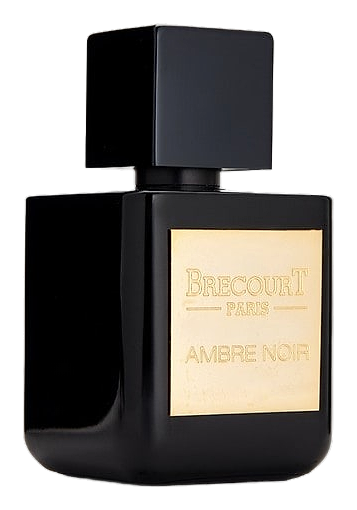
Emilie Bouge created Ambre Noir with a rare combination: high-dosage ciste-labdanum, myrrh, and absolute of vanilla from Madagascar. The ingredients are dialed up high, chosen not to follow a trend but to build something with character. The name says it plainly. Amber, but dark. Amber with something to prove.
The interplay of myrrh's sharp, almost medicinal opening against warm magnolia creates an unexpected tension, cool and resinous at once. What makes Ambre Noir stand apart is the labdanum. Used in high dosage, it adds a balsamic thickness that most amber fragrances soft-pedal. The vanilla absolute doesn't sweeten the composition so much as deepen it, warm, slightly animalic cream that lingers under everything else.
The evolution
Myrrh and Calabrian bergamot arrive first, resinous and bright, a flash of citrus peel that sharpens the opening. Within minutes, magnolia softens everything. The transition is quick, purposeful. By the half-hour mark, amber and labdanum take over. The myrrh becomes warmer, creamier, less sharp. Sandalwood adds silk. Orris root brings a powdery violet undertone that surfaces now and then like a memory. Then the drydown settles in, vanilla absolute and labdanum creating a warm, sweet cream that doesn't fade much. Musk softens everything into something skin-close. On fabric, it lingers longer.
Cultural impact
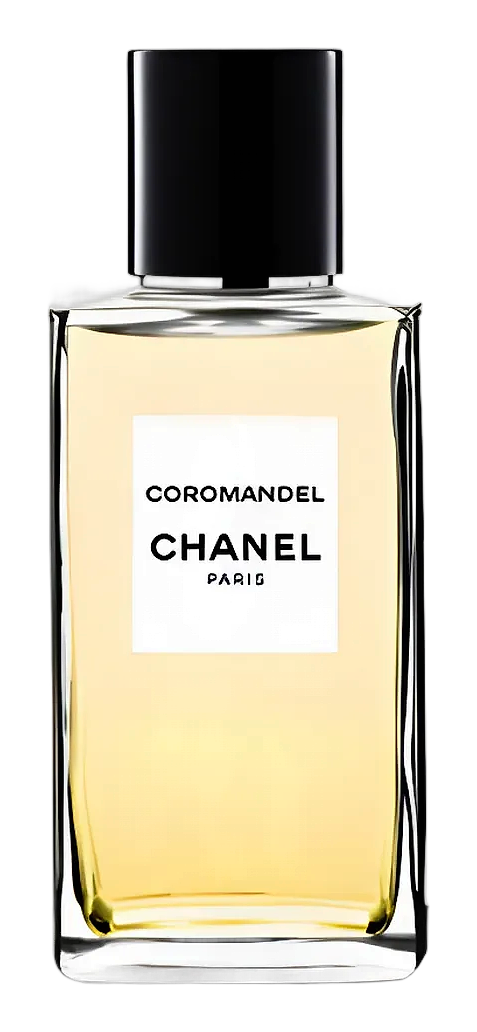
Ambre Noir sits comfortably among amber-focused niche fragrances, comparable in spirit to Serge Lutens Ambre Sultan or Chanel Coromandel, though at a different price point. The community rates it solidly for longevity and value. What distinguishes it is restraint: warm without heaviness, sweet without cloying, present without projecting.