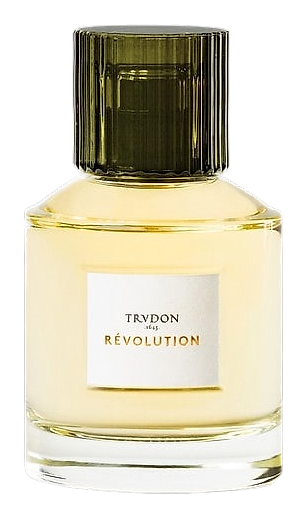
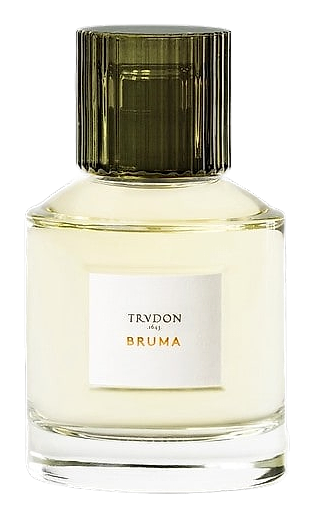
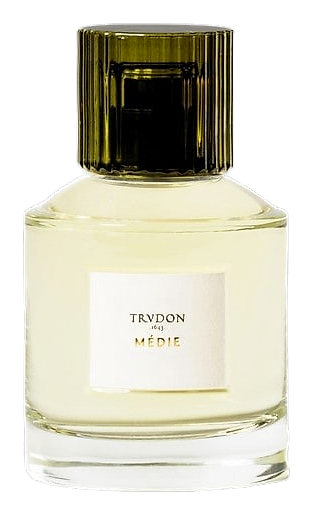
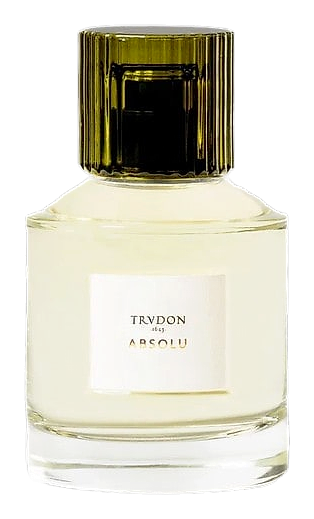
The Heritage
The Story of Trudon
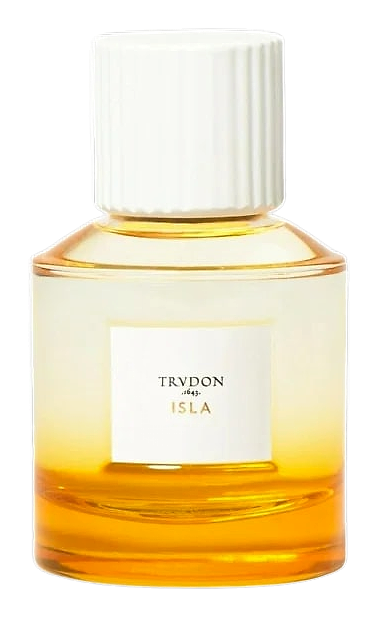
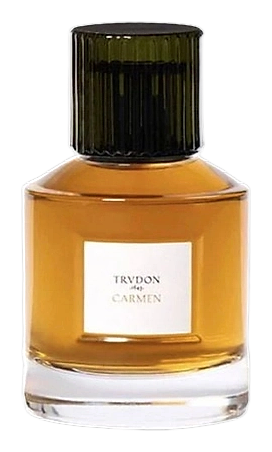
Trudon opened its first shop on rue Saint‑Honoré in Paris in 1643. From a small grocer‑candle maker it grew into the world’s oldest continuously operating candlemaker, later adding a line of scented candles and niche perfumes. The house balances a centuries‑old wax tradition with contemporary scent composition, delivering products that echo its royal origins while fitting today’s homes and wardrobes.
Heritage
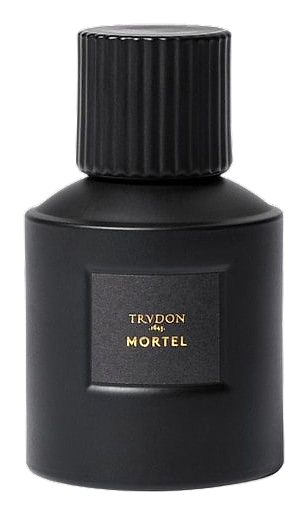
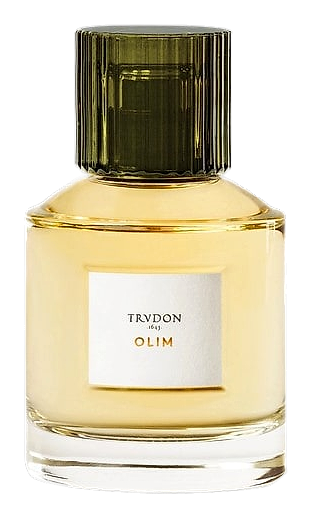
The story of Trudon starts in 1643 when Claude Trudon, a Parisian merchant, acquired a shop on rue Saint‑Honoré. Within a decade the business secured a contract to supply candles to the court of Louis XIV, a relationship documented in royal inventories of the period. Throughout the 18th century the house expanded its clientele to include churches and aristocratic residences, refining its wax blends to meet the demands of grand ceremonies. The French Revolution disrupted many luxury suppliers, yet Trudon survived by adapting its production to the new republican market, continuing to sell candles to public institutions. In the 19th century the company introduced scented waxes, a practice that foreshadowed its modern perfume line. The 20th century saw a shift toward decorative candle designs, and in 2006 the brand relaunched its fragrance division, drawing on archival recipes and historic scent notes. Since then, Trudon has released dozens of perfumes and candles, each referencing a specific moment or location from its archive, such as the 2017 launch of Olim, inspired by a candle once used in the Hall of Mirrors at Versailles. The house remains headquartered at 78 rue de Seine in Paris, where a workshop still produces wax blends by hand.
Craftsmanship
Every Trudon candle begins with a blend of French beeswax and high‑grade paraffin, a formula that the house has refined since the 17th century. The wax is melted in copper vats, filtered to remove impurities, and then hand‑poured into molds that bear the brand’s signature seal. Fragrance oils are introduced at a precise temperature to preserve volatile notes, a technique documented in the company’s archival production manuals. Ingredients are sourced from vetted growers in Provence, the French Alps, and other regions known for quality botanicals; for example, the bergamot used in the 2024 perfume Absolu comes from a cooperative in the Var department that practices organic cultivation. Quality control includes a sensory panel that evaluates each batch for consistency of scent and burn time. Limited‑edition releases often involve a secondary hand‑finishing step, where artisans trim the wick and apply a thin layer of scented wax to the candle’s base, enhancing the initial aroma when lit. In the perfume studio, master perfumers blend natural absolutes, essential oils, and select synthetics in stainless‑steel vessels, allowing the mixture to macerate for several weeks before bottling. Each bottle is sealed with a wax stopper that mirrors the candle’s wax composition, reinforcing the house’s commitment to material continuity across product categories.
Design Language
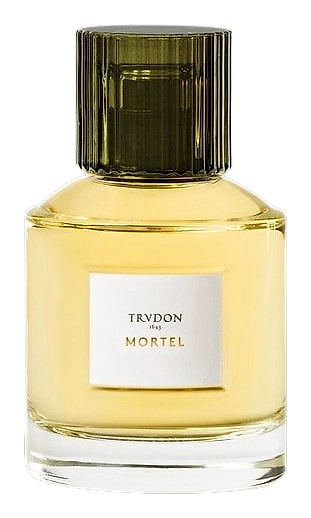
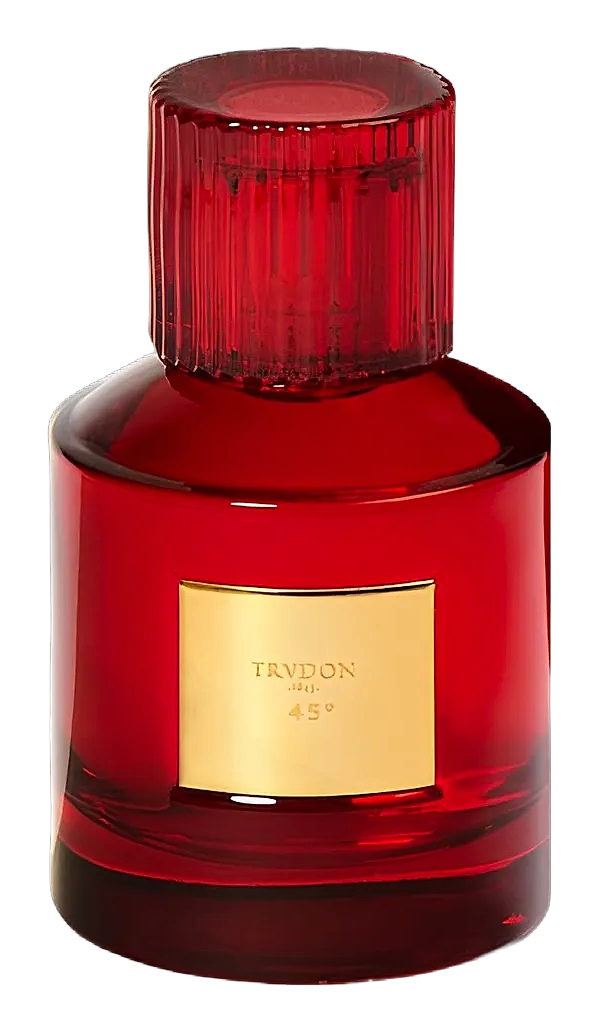
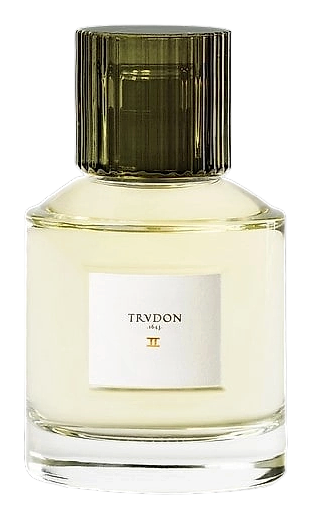
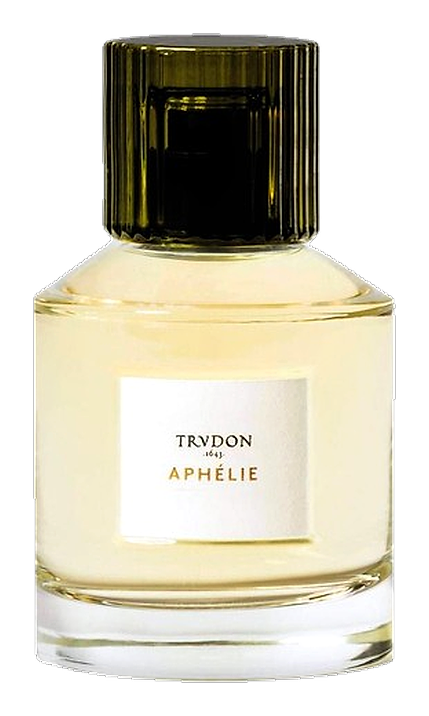
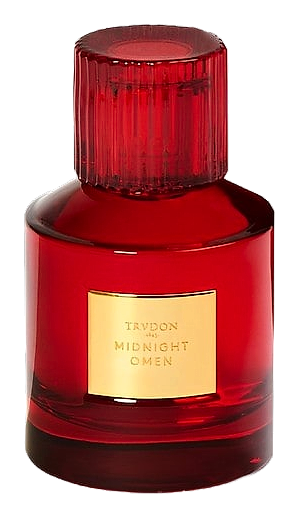
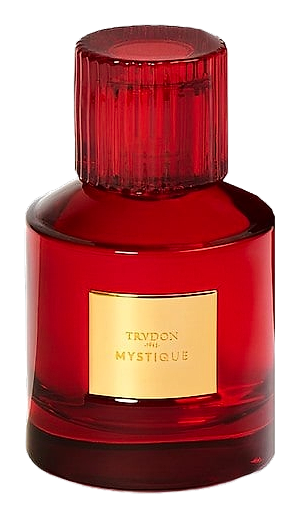
Trudon’s visual language draws directly from its royal patronage. Labels feature deep navy or black fields edged with gilt lettering, echoing the decorative motifs found in 17th‑century French interiors. The brand’s logo, a stylized flame, appears in embossed gold on both candle jars and perfume bottles, creating a cohesive identity across categories. Bottle shapes are often simple cylinders or fluted glass, reminiscent of historic candlesticks, while caps are finished in brushed metal or lacquered wood to suggest the tactile richness of a palace setting. Packaging includes a vellum‑like insert that provides a brief historical note about the scent, reinforcing the narrative approach. In retail displays, Trudon prefers minimalistic arrangements: a single candle set on a dark marble slab, illuminated by a soft halo of light, allowing the product’s color and texture to speak for themselves. This restrained aesthetic aligns with the brand’s broader emphasis on craftsmanship over overt branding.
Philosophy
Trudon’s creative direction is rooted in the belief that scent can act as a bridge between past and present. The house treats each fragrance as a narrative fragment, drawing on archival documents, historic events, and the sensory language of the 17th‑century court. Sustainability and authenticity guide its choices; natural waxes, historically accurate pigments, and botanical extracts are preferred over synthetic shortcuts. The brand encourages a ritualistic approach to lighting, suggesting that a candle’s glow and scent together shape an atmosphere rather than merely decorate a space. In its perfume work, Trudon avoids fleeting trends, instead opting for compositions that reference timeless olfactory motifs, such as the smoky incense of royal chapels or the citrus zest that once scented Parisian salons. This philosophy is reflected in the way the house collaborates with historians and artisans, ensuring that each launch respects both the material heritage and contemporary sensibilities.
Key Milestones
1643
Claude Trudon acquires a shop on rue Saint‑Honoré and begins supplying candles to Parisian clientele.
1660
Trudon receives a royal warrant to provide candles for the court of Louis XIV, cementing its status as a supplier to the French monarchy.
1793
During the French Revolution, the house adapts its production to serve public institutions, ensuring continuity despite political upheaval.
2006
Trudon relaunches its fragrance line, releasing scented candles and perfumes inspired by archival recipes.
2017
Launch of the perfume Olim, a scent referencing a historic candle used in the Hall of Mirrors at Versailles.
2024
Release of Absolu, a perfume featuring organically grown bergamot from the Var region.
At a Glance
Brand profile snapshot
Origin
France
Founded
1643
Heritage
383
Years active
Collection
1
Fragrances released
Avg Rating
4.3
Community sentiment
Release Rhythm


