The Story
Why it exists.
The beginning
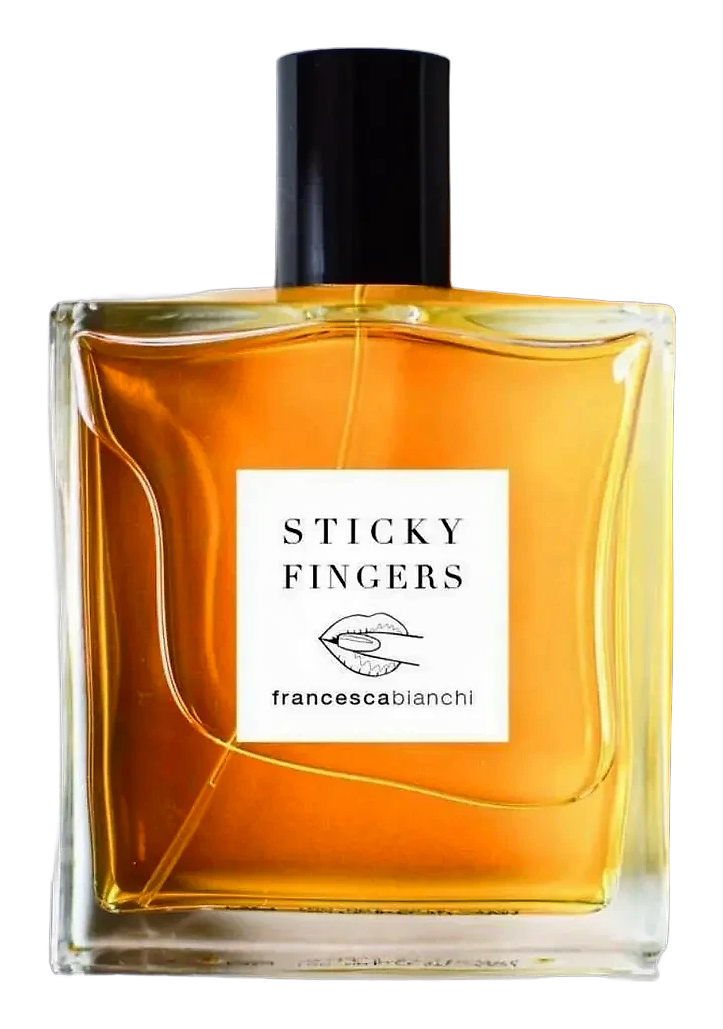
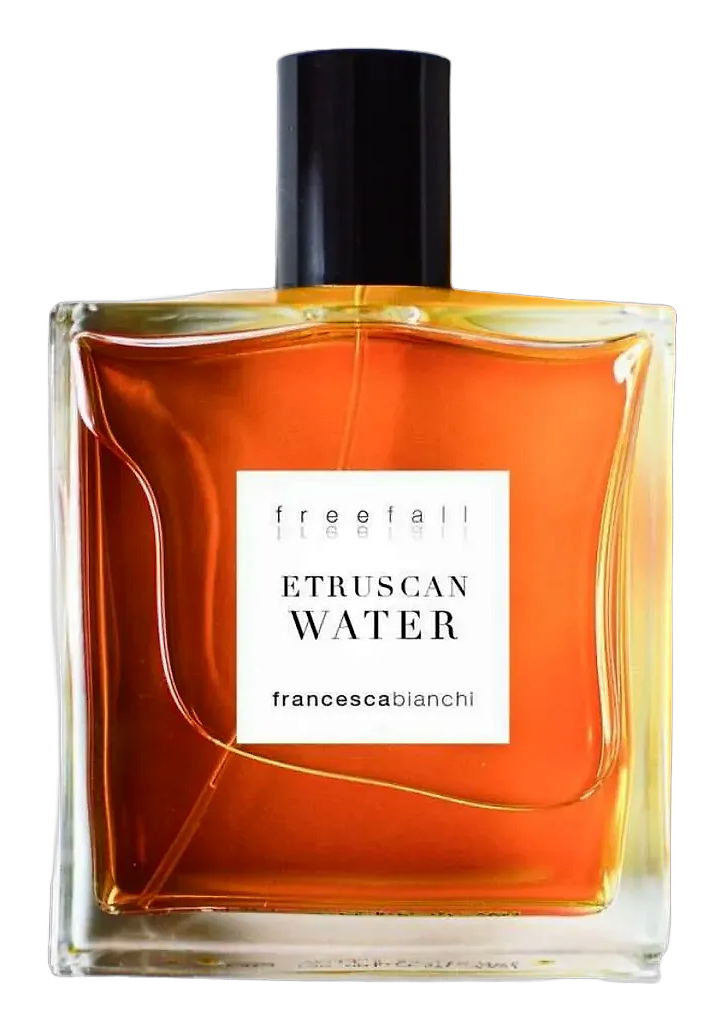
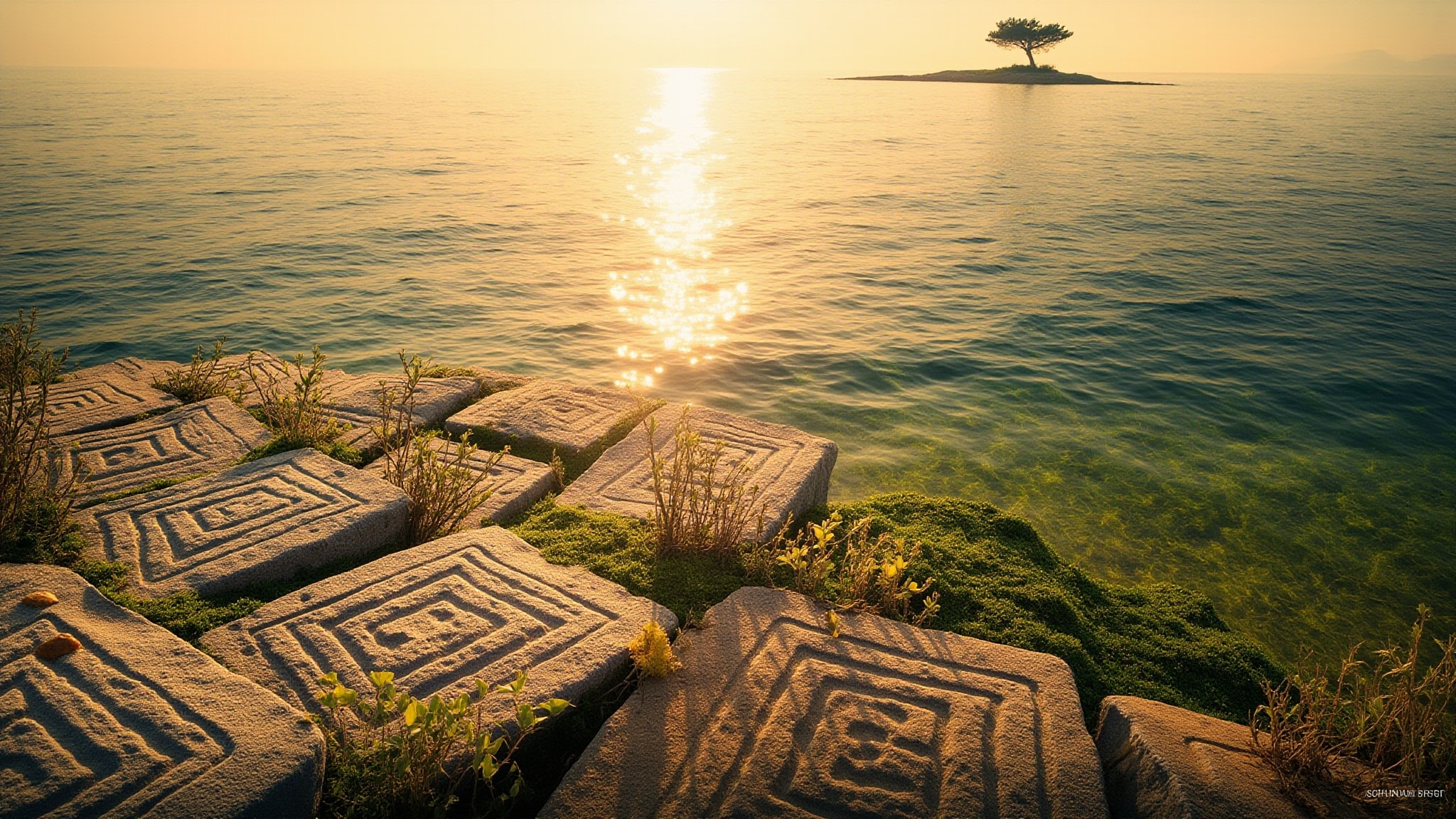
Francesca Bianchi spent her formative years in Italy surrounded by art history, then moved to Amsterdam to study chemistry and olfactory science. Etruscan Water was her debut, the fragrance that announced how she wanted to spend her life. She didn't reach for convention. She reached for the Etruscans, an ancient civilization that lived along the Italian coast and left behind a visual language of geometric patterns and raw geometry. The name is a destination and a feeling: somewhere the land meets the sea and neither one wins.
What makes Etruscan Water unusual is the way it holds two opposing forces in the same breath. The citrus opens bright, bergamot, grapefruit, tangerine, the kind of sparkle you'd find in a morning market. But underneath, the oakmoss and immortelle pull toward earth, toward something older and less forgiving. The ambergris adds a mineral quality that reads like sea salt drying on stone. It's not aquatic in the typical sense. There's no synthetic wave here. The sea is a character, not a smell-alike, and it arrives not as a note but as a temperature.
The evolution
The opening arrives quickly, bergamot and petitgrain zinging against the skin with a citrus sharpness that doesn't apologize. Within twenty minutes, the herbal dimension opens: basil and caraway showing up as a savory counterpoint to the sweetness of tangerine. This is where the "sexy" in the official description earns its keep. The immortelle and labdanum introduce a resinous warmth that slows everything down. The oakmoss anchors the composition with its characteristic earthy, almost animalic depth, this is a chypre in the classical sense, and the moss isn't hiding. Three hours in, the drydown settles into something powdery and close: orris and musk, with the ambergris giving one last wave of mineral before the composition becomes skin-warm and intimate. On fabric, the oakmoss persists into the next day.
Cultural impact
As a debut, Etruscan Water established Francesca Bianchi's reputation for pairing classical perfumery structures, the chypre, the aromatic, with a modern sensibility that doesn't flinch from texture. It attracted wearers who found mainstream aquatic fragrances too safe and traditional chypres too heavy. The fragrance occupies a specific space: rigorous enough for collectors, wearably complex for those who want something with genuine character.