The Story
Why it exists.
The beginning
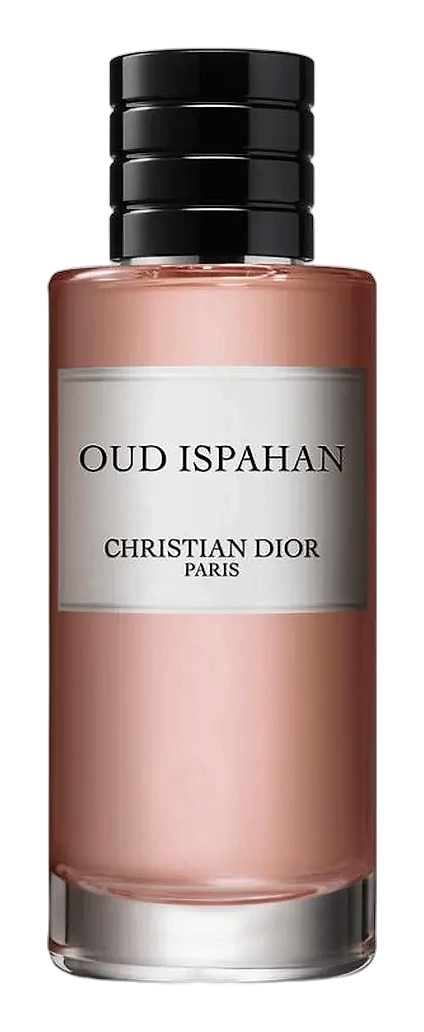
Oud Ispahan was created for La Collection Privee Christian Dior, the house's exclusive collection reserved for those who seek something beyond the mainstream. The name references Isfahan, the historic Persian city celebrated for its legendary rose gardens and its centuries-old tradition of perfumery. Francois Demachy designed this fragrance as a study in contrasts, pairing labdanum's sticky resinous character with patchouli's earthy depth and anchoring everything in a drydown of smoky oud, sweet rose, and creamy sandalwood. The collection's philosophy centers on raw materials treated with meticulous attention, and Oud Ispahan exemplifies this approach by using each note as a building block rather than mere decoration.
Demachy's approach to Oud Ispahan treats labdanum as more than a simple top note, instead allowing its sticky resinous quality to establish the fragrance's warm foundation. The patchouli heart serves as a bridge, its earthy character complementing the amber opening while preparing the wearer for the oud-rose-sandalwood base. This structure reflects a philosophy of progression rather than shock, building from warm resin to earthy complexity to smoky floral elegance. The pairing of oud and rose is deliberate, allowing the rose's sweetness to humanize the oud's intensity while sandalwood provides the creamy counterpoint that prevents any single note from overwhelming the composition.
The evolution
The fragrance journey begins with labdanum, which arrives with immediate impact, a warm sticky amber note that feels almost tactile on the skin. Within minutes, patchouli emerges to temper the initial resinous brightness, bringing its characteristic earthy richness and a subtle sweetness that adds dimension. As the heart matures, the patchouli deepens, preparing the ground for the base transition. The drydown marks the arrival of oud, smoky and commanding, followed by rose's velvety floral sweetness and sandalwood's creamy woody warmth. This arc moves from bright resin to earthy depth to smoky floral elegance, creating a narrative that rewards patience.
Cultural impact
Oud Ispahan offers a rose-forward interpretation of oud that avoids the heavier conventions associated with the material. Where many oud fragrances lean into intensity and projection, this composition takes a different approach, allowing the rose to lead while the oud provides an underlying warmth that gives the fragrance its character. The balance between these two elements creates something that feels approachable without sacrificing substance. It has found resonance among those who appreciate the depth oud brings but prefer a softer, more nuanced expression.