The Story
Why it exists.
The beginning
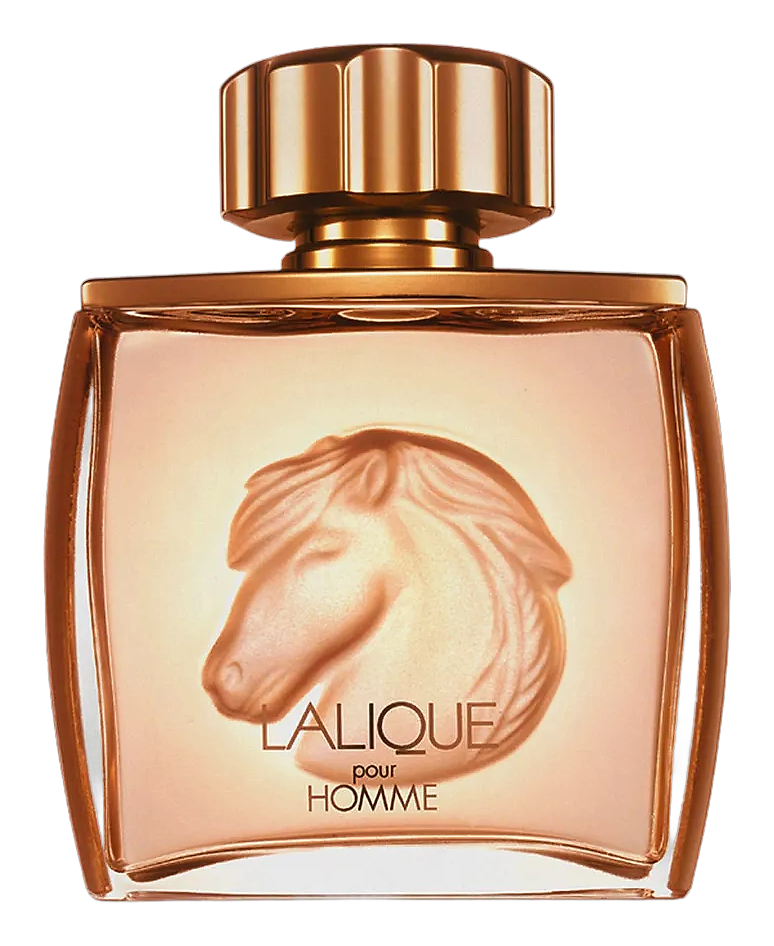
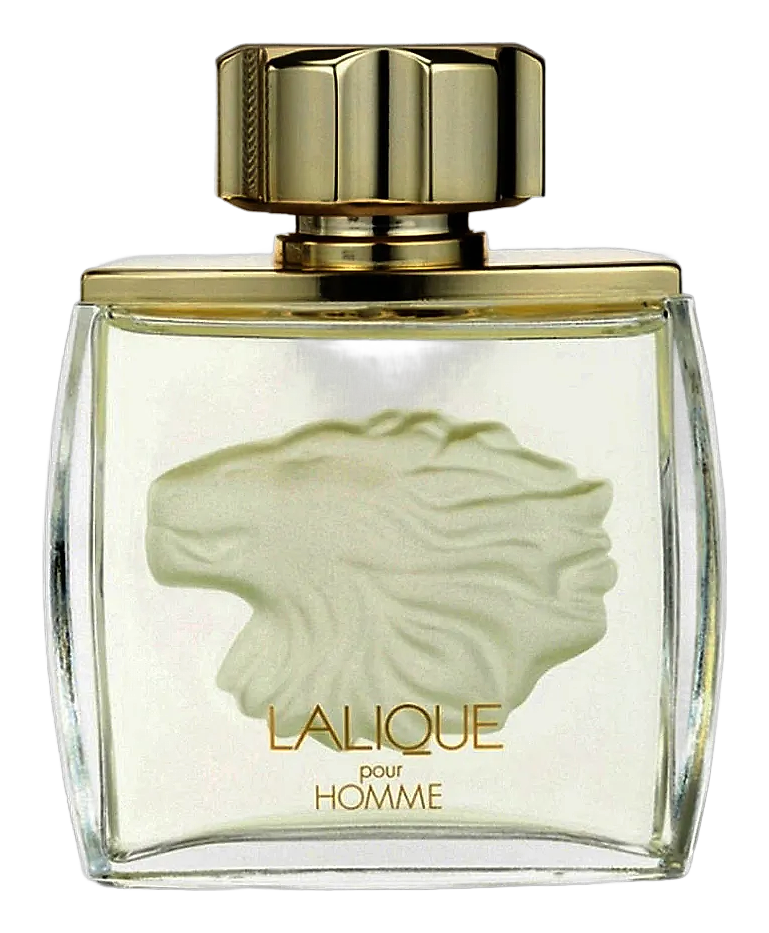
In 1997, Lalique sought to establish serious credibility in masculine fragrance. The house had built its reputation on sculptural glass and jewelry since René Lalique founded it in 1888, applying the same artisanal precision to perfume bottles. When it came time to create their own masculine signature, they turned to Maurice Roucel, a perfumer known for architectural compositions that favor structure over spectacle. Roucel approached Lalique Pour Homme with a straightforward directive: classic masculine materials, executed with precision. The brief was not to innovate for innovation's sake but to create something that honored masculine fragrance traditions while demonstrating what disciplined perfumery could achieve. The result anchored Lalique's entry into men's fragrance and remains a reference point for classical masculine composition.
Roucel's note philosophy for Lalique Pour Homme prioritized clarity and structure. Each note was chosen not for individual impact but for how it would interact with adjacent materials. The lavender and citrus opening serves a specific purpose: it establishes immediate appeal while preparing the skin for the cedarwood and iris heart. The oakmoss and vanilla base was selected to provide the longevity and sillage that masculine fragrances demand, with ambergris adding warmth that distinguishes this from lighter, less substantial compositions. The pairing of patchouli with sandalwood creates a woody foundation that supports the entire structure.
The evolution
The fragrance opens with a sharp, aromatic burst that announces itself without apology. Lavender dominates the initial minutes, clean and green, immediately joined by a citrus array that provides immediate refreshment. Bergamot and grapefruit bring tart brightness, mandarin orange adds sweeter fruitiness, and rosemary contributes an herbal, slightly medicinal quality that elevates the opening beyond simple citrus. As the top notes recede, cedarwood emerges as the architectural backbone of the heart, dry and woody, with iris adding powdery elegance and jasmine providing subtle floral counterweight. The transition to the drydown marks the fragrance's true character. Oakmoss takes center stage, delivering the earthy, slightly mossy depth that defines classic masculine fragrance. Vanilla softens the moss with warmth, ambergris adds animalic complexity, sandalwood brings creamy finish, and patchouli lingers as the final statement with earthy resinous character.
Cultural impact
Lalique Pour Homme sits in a quiet corner of masculine perfumery, not a statement piece, not a trend follower. It was designed in 1997 by Maurice Roucel, a perfumer who approached composition like an architect. The lavender-herbal-citrus opening followed by powdery iris and warm woody-vanilla base is a formula refined over decades of masculine fragrance. What sets this apart is the restraint: it doesn't shout. The sillage stays moderate, the projection recedes after the first hour, and the drydown is intimate rather than room-filling. That's precisely why it lasts, it doesn't exhaust itself trying to fill a space it was never meant to fill.