The Story
Why it exists.
The beginning
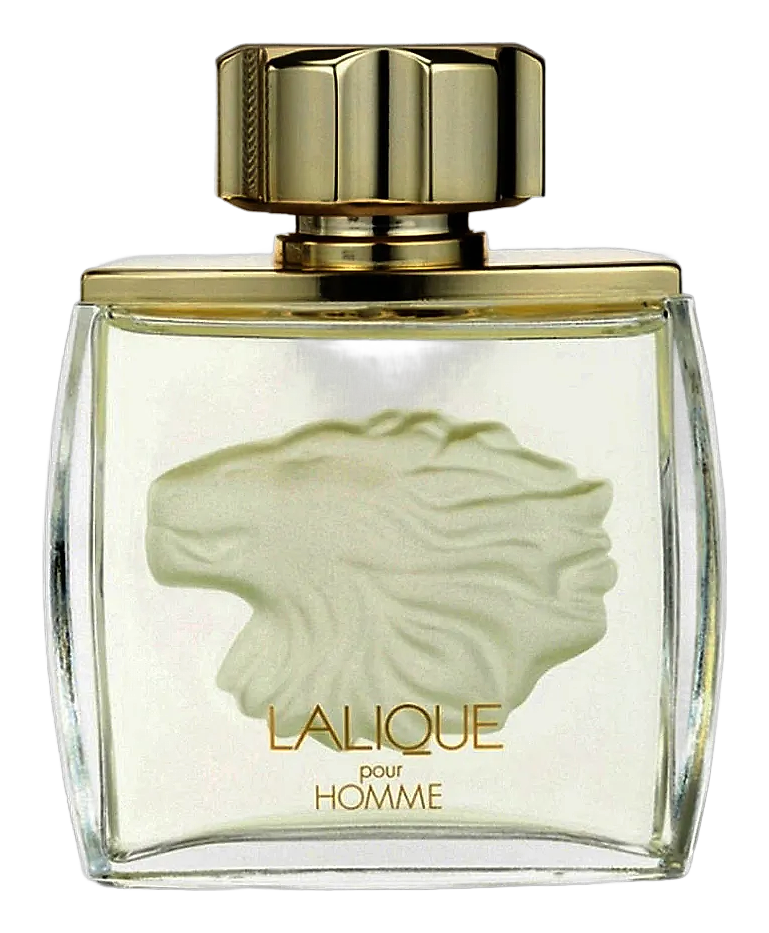
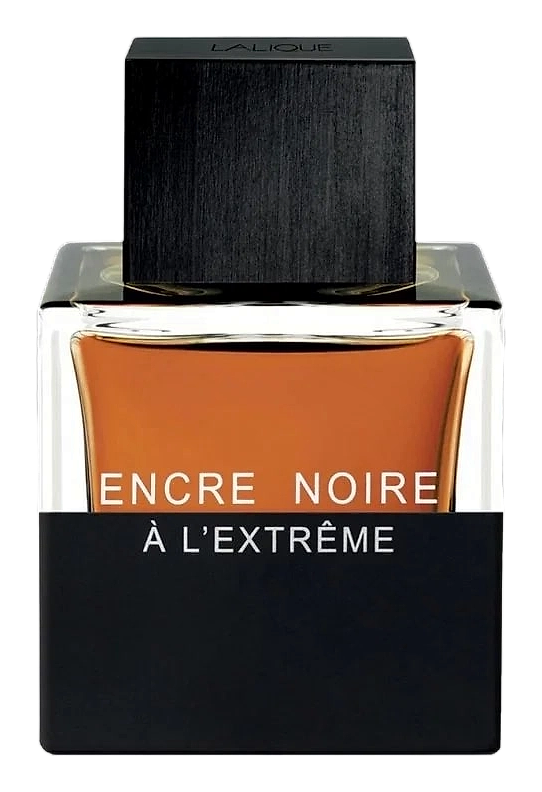
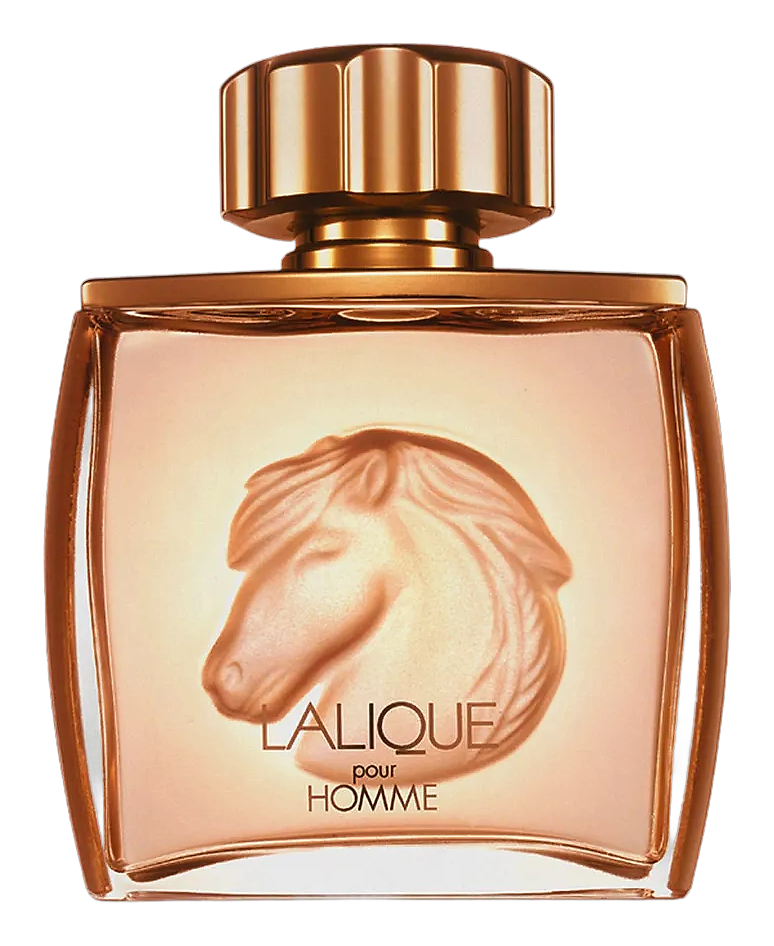
Lalique is a French crystal house founded in 1888, translating Art Nouveau and Art Deco aesthetics into fragrance through sculptural bottles and satin-finished crystal. The house conceives bottle and fragrance together, each informs the other. Equus is Latin for horse, and the Lalique house has the cristal flacon to prove it. The sculpted horse head stopper makes the bottle itself a statement. But the name runs deeper than that. Sequoia is the real protagonist: ancient, towering, bark and sap and shadow. Perfumer Emilie Bevierre-Copperm approached this fragrance as a study in woody architecture.
The note selection reflects a philosophy of woody depth and aromatic warmth. Sequoia anchors the composition, a nod to the fragrance's structural ambition. Violet leaf adds a green, slightly ozonic counterpoint. Amyris and benzoin create a warm, resinous foundation that grounds the entire structure.
The evolution
The opening lands quickly, driven by juniper berry and cardamom with a bright citrus zest accent. The transition to the heart happens within minutes as sequoia wood asserts itself, joined by violet leaf and nutmeg. The heart lingers for hours, monumental and quietly confident. The drydown builds slowly from amyris and vetiver, with Siam benzoin appearing as a soft, resinous whisper that extends the wear.
Cultural impact
Equus occupies a specific space: a designer fragrance with niche-quality structure, available at a price point that doesn't require saving. Wearers describe it as the scent of someone who walks into a room and doesn't need to announce themselves, woody-spicy, present, and grounded. The Lalique crystal horse-head bottle adds visual weight that matches the juice inside. It's the kind of fragrance people find unexpectedly and then wear for years.