Sequoia wood
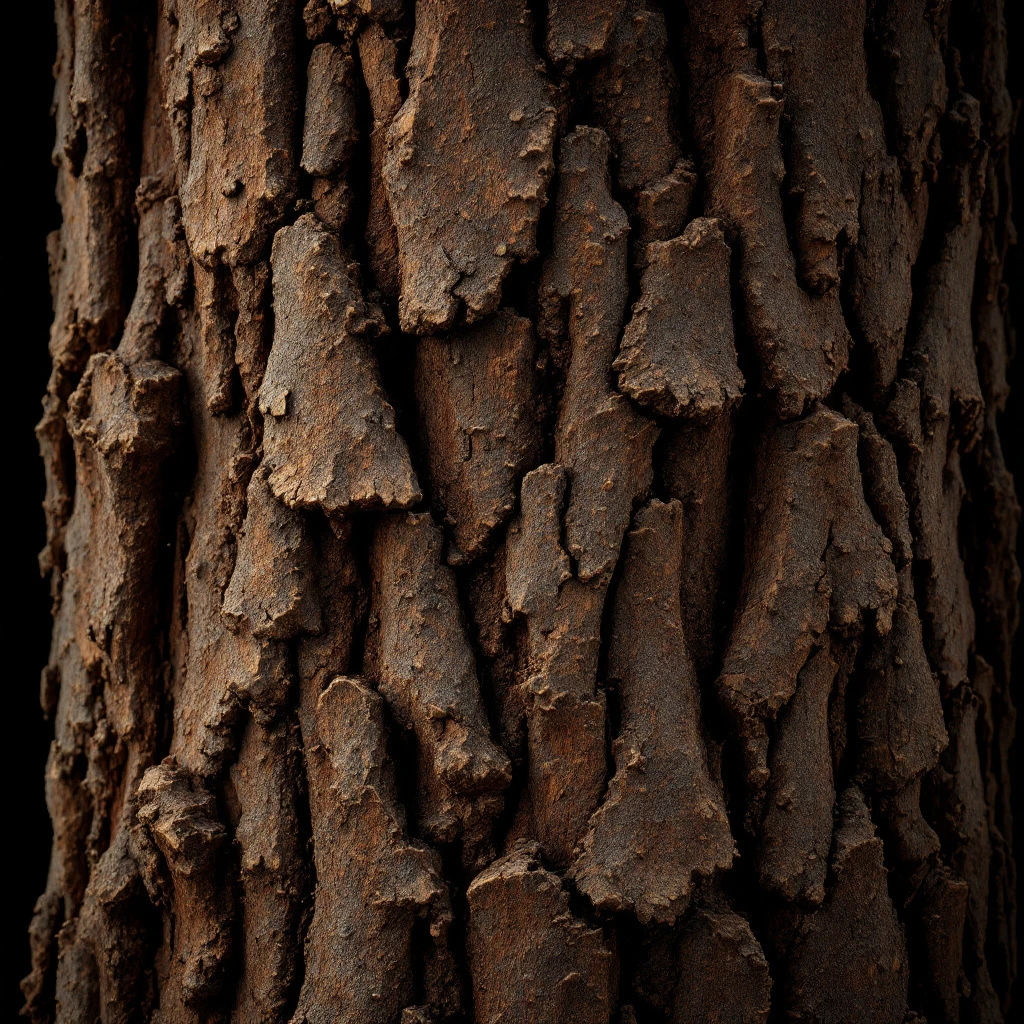
Aromatic, dry, and resinously grounded, Sequoia wood delivers the depth of ancient forest canopies into fragrance. Its bark-rich character lends a slightly smoky, mineral edge that sets it apart from sweeter woody notes.
Character
How it smells
Old-growth depth in every note.
Sequoias can live over 2,000 years and grow taller than the Statue of Liberty, making each harvest a conversation across millennia.






Origin
United States
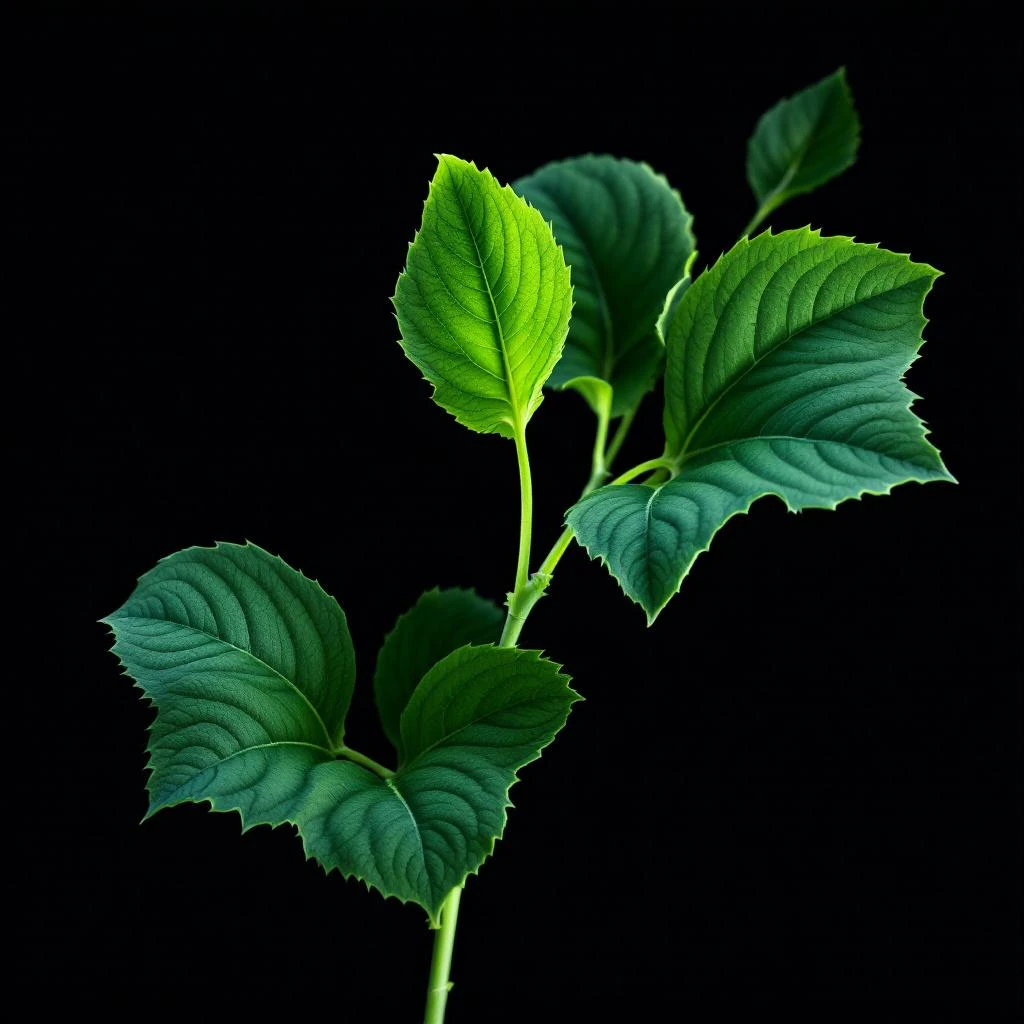
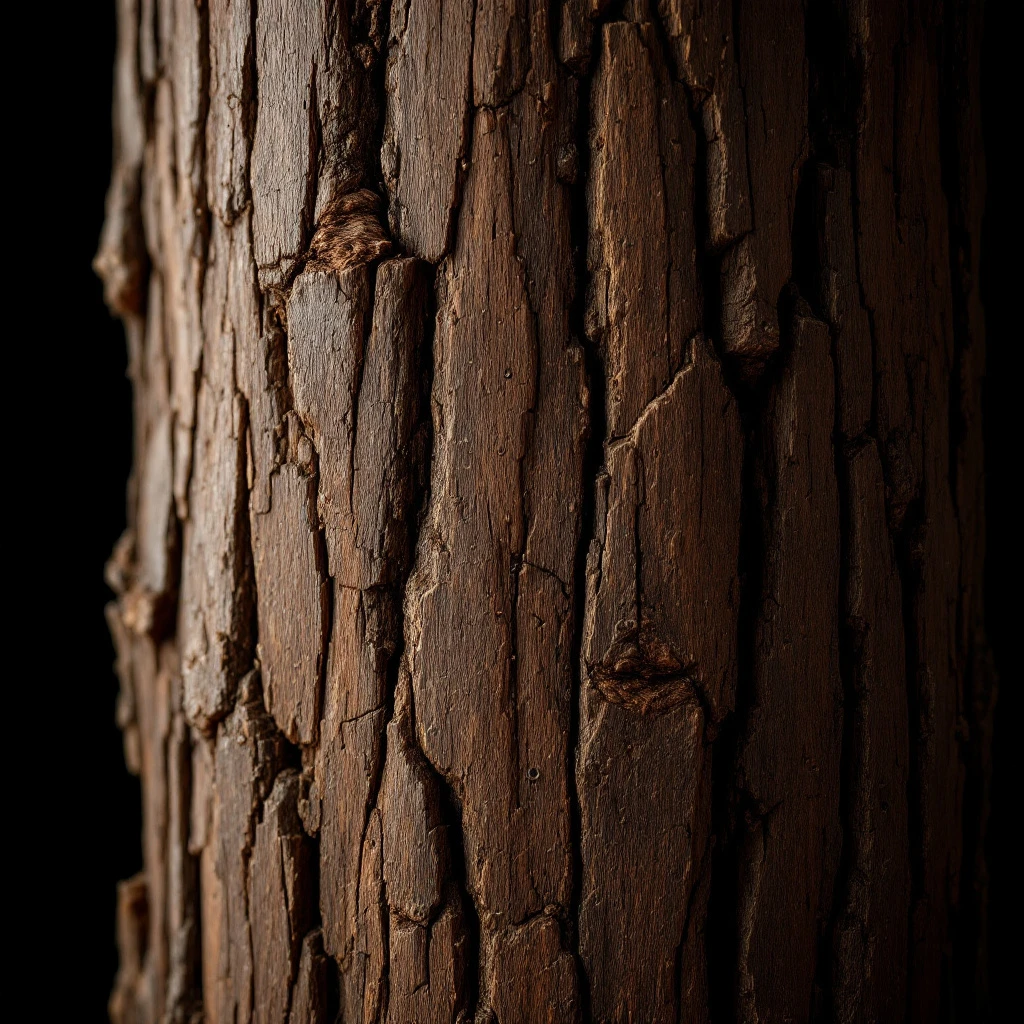
Sequoia species have shaped the ecosystems and cultures of the California coast for millions of years, with some specimens living over two millennia. Indigenous peoples of the Pacific Northwest relied on various coniferous species for medicinal, ceremonial, and practical applications, though much of this knowledge remained localized rather than entering broader trade networks.
The development of aromatic extraction techniques in the 19th and 20th centuries opened new possibilities for these woods in perfumery. Modern use of Sequoia-derived materials emerged alongside the broader appreciation for non-traditional woody notes that expanded beyond sandalwood and cedar.
The ingredient gained traction in fine perfumery during the late 20th century as creators sought novel base materials that offered complexity beyond established woods. Today, sustainable sourcing protocols ensure that harvesting supports forest management rather than depleting natural stands.
Wears it best
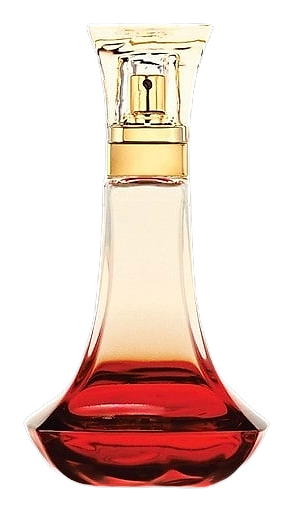
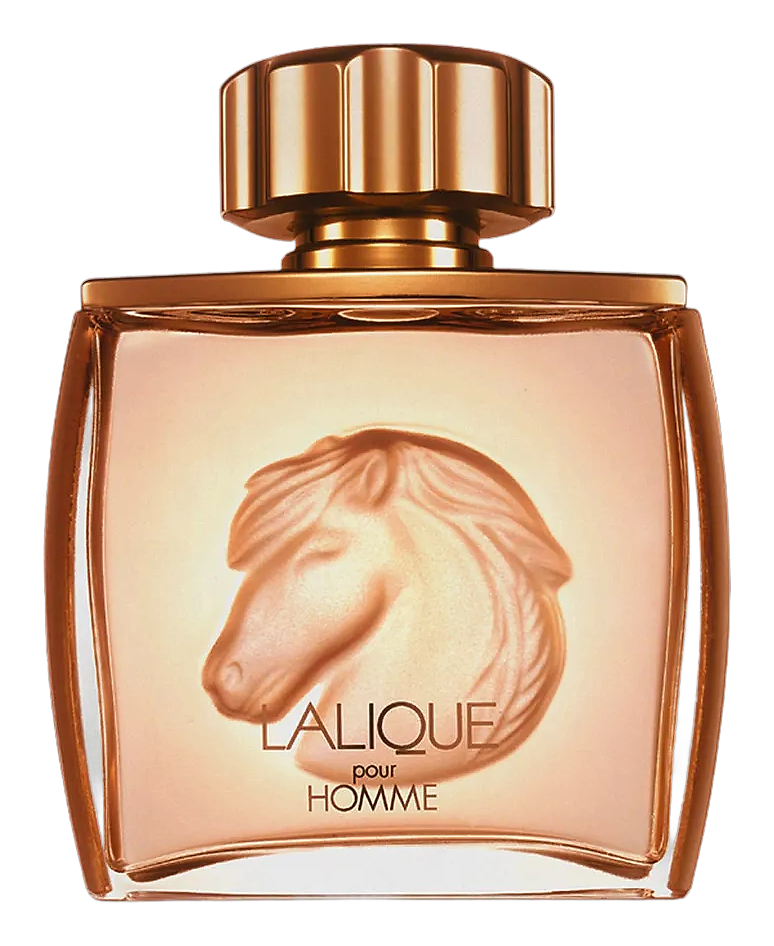
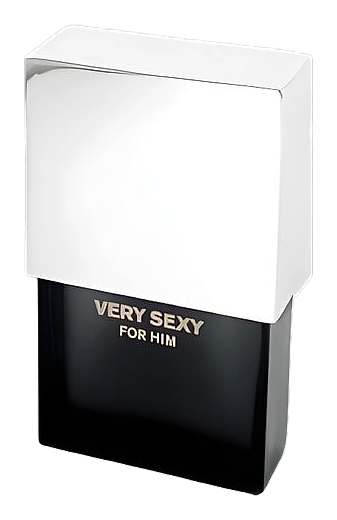
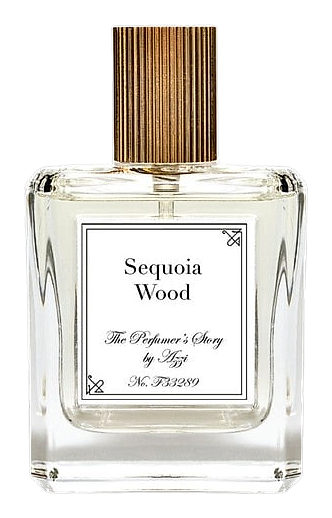
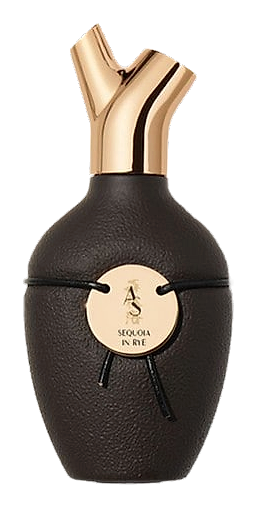
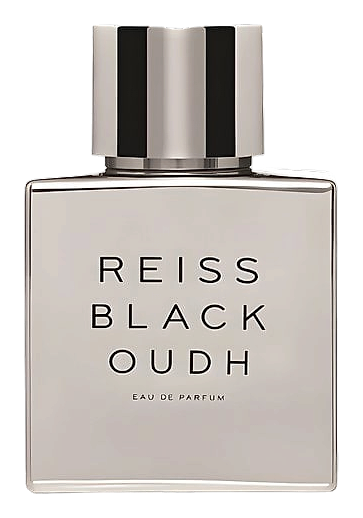
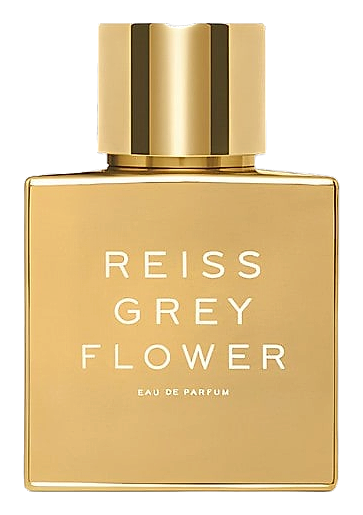
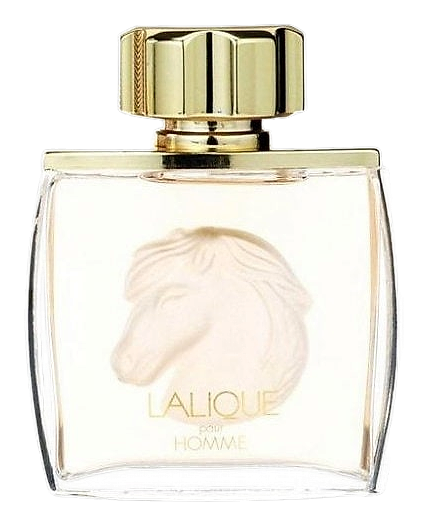
Fragrances featuring Sequoia wood

Brands
Brands known for Sequoia wood
Good to know
Questions, answered
The essentials on Sequoia wood in perfumery: how it smells, where it comes from, and how it behaves on skin.
Is Sequoia wood actually used in commercial perfumery?
Yes. Sequoia wood extracts appear as base notes in certain masculine and woody compositions, valued for their dry, resinous character that differs from sweeter alternatives.
What does Sequoia wood smell like?
Sequoia wood delivers dry, aromatic, and slightly smoky characteristics with a mineral edge, creating forest-floor depth rather than creamy warmth.
Is Sequoia wood a natural or synthetic ingredient?
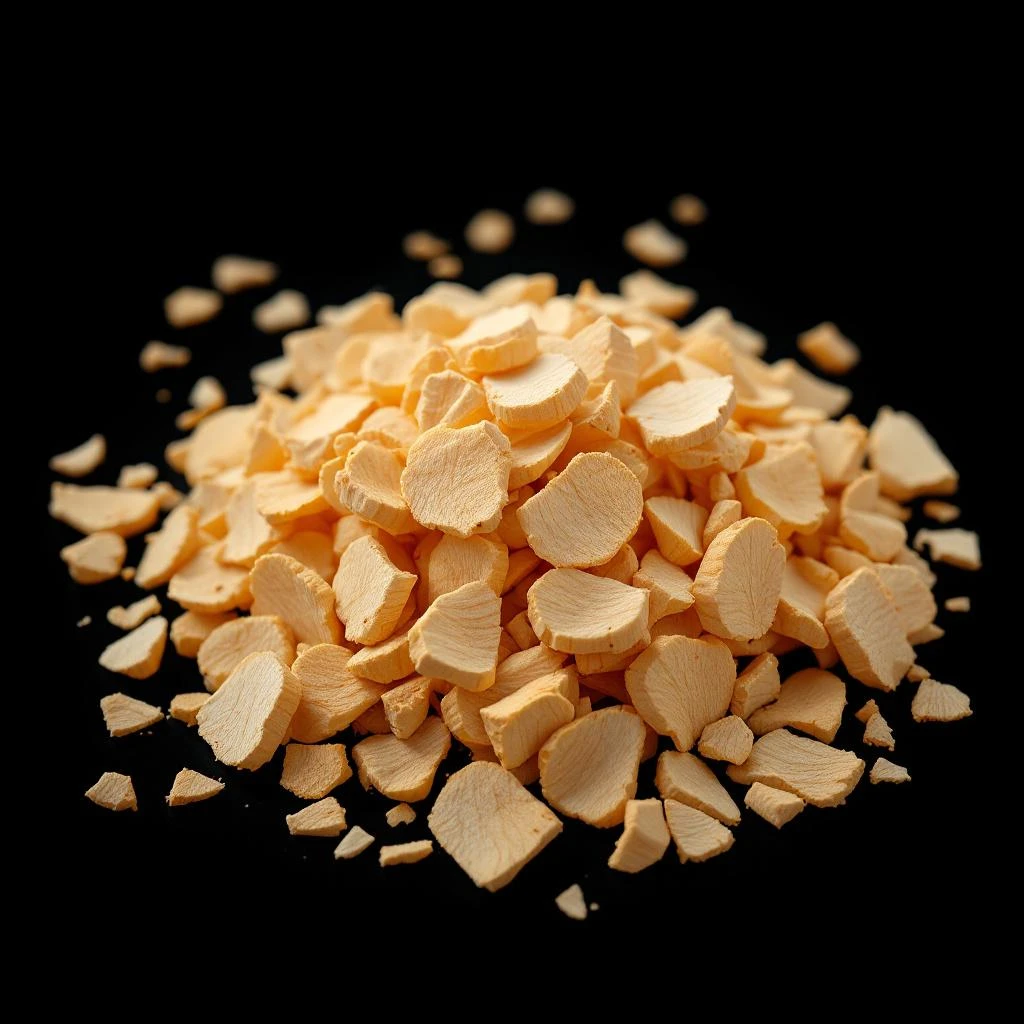
Natural extraction via steam distillation of heartwood and bark produces the material. Some perfumery ingredients marketed as Sequoia may be nature-identical synthetics.
What is the difference between Sequoia and Cedar in perfumery?
Cedar offers sweet, pencil-shaving warmth; Sequoia provides drier, more resinous and slightly animalic qualities with greater aromatic complexity.
Where does Sequoia wood for perfumery come from?
Primary production sources include sustainably managed plantations in the American Pacific Northwest, particularly California and Oregon, where climate supports optimal growth.
Can Sequoia wood be compared to Oud?
No. Oud forms through infection-induced resin in Aquilaria trees, giving it intense animalic complexity. Sequoia wood offers dry, aromatic forest character without that dimension.
Is Sequoia wood sustainable?
When sourced from certified plantations practicing selective harvesting and replanting, Sequoia wood can be a responsible choice supporting long-term forest management.
What fragrance families pair well with Sequoia wood?
Sequoia wood works with chypre, fougere, and aromatic masculine constructions, pairing well with bergamot, lavender, vetiver, and other coniferous materials.