
The Story
Why it exists.
The beginning
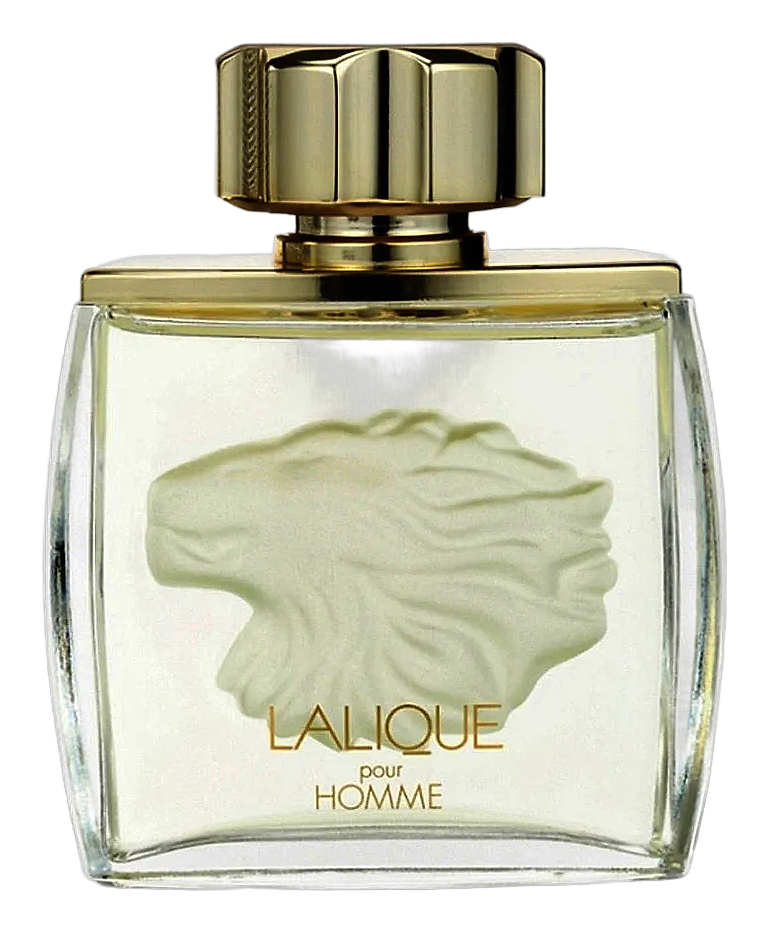
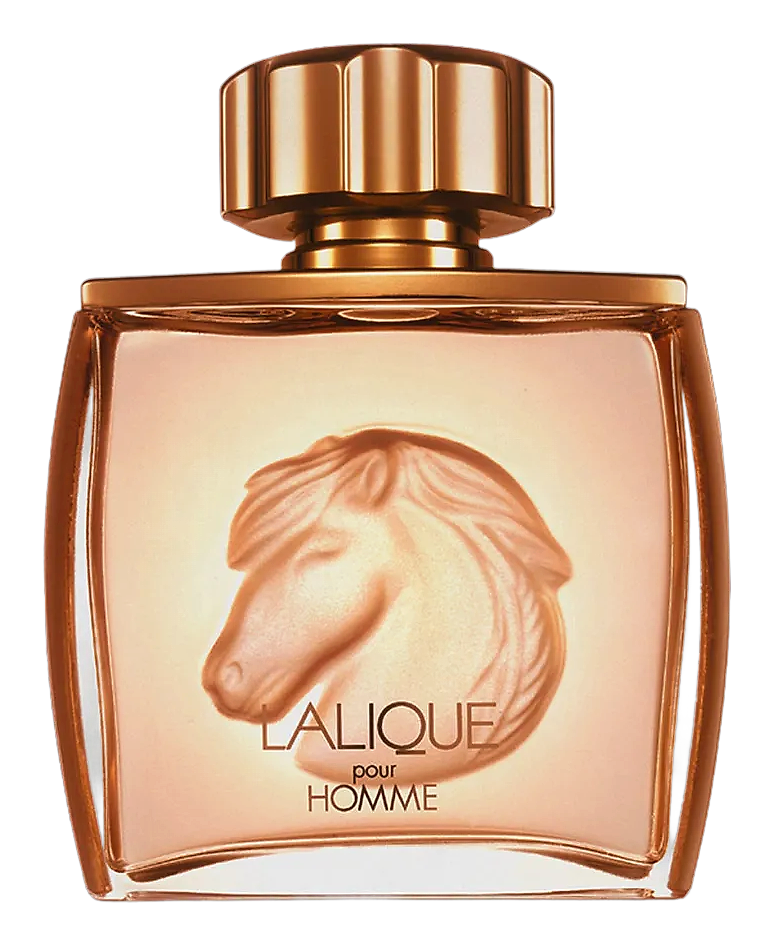
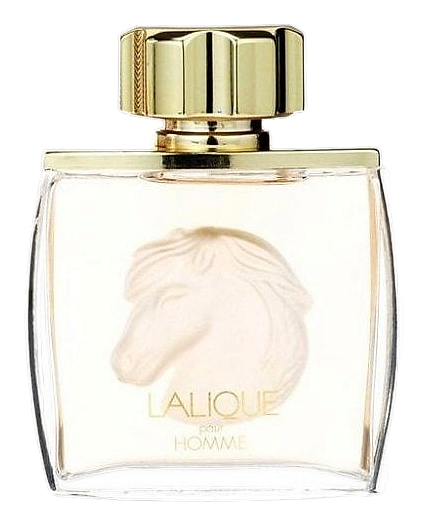
Equus arrived in 2001, named for the horse genus, not a single horse, but the shape of strength itself. Emilie Coppermann designed it for men who understood that confidence doesn't need to shout. The name set the brief: powerful, sculptural, enduring. Nothing tame, nothing trendy. Lalique gave her their architecture of art glass and French crystal; she gave the bottle its equal in scent. No origin mythology beyond that. Just a perfumer, a concept, and 2001.
The structure here is deliberate: cool opening, warm middle, deep close. That's the arc of something built to last through a full day, not just the entrance. Sequoia wood, a California redwood species, grounds the base with a dry, pencil-shaving resinousness that few masculine compositions attempt. Vetiver brings its earthy, slightly smoky root character. Together they form a foundation that refuses to disappear quietly. Between those anchoring woods and the bright citrus top, there's a spice heart, cardamom, nutmeg, mace, that keeps the middle from being polite. It's the part that divides the men from the boys, fragrance-wise.
The evolution
First contact: citrus zest, bright and immediate. Lemon and bergamot arrive together, with a juniper berry lift that gives it an almostgin-like quality. It lasts clean for maybe twenty minutes. Then the hand-off. Cardamom and violet leaf push forward, cool, aromatic, faintly green. The warmth builds beneath like something remembering its name. Two hours in, sequoia announces itself. That dry, pencil-woody character takes over the middle, blending with leather and nut-spice (mace, nutmeg) into something that smells like the inside of a well-worn closet. Vetiver emerges last, with benzoin and amyris creating a resinous warmth that settles close to skin. The drydown is the point. Hours later, six, seven, sometimes more, what remains is a clean woodskin warmth, faint but certain. Not projecting anymore. Just there.
Cultural impact
Equus occupies a specific and dwindling space in masculine fragrance: the fougère-rooted, wood-forward composition that doesn't apologize for being itself. In an era of skin-scent and projection-shy fragrances, this one was built to announce and endure. The fragrance has earned a quiet loyalty among men who want a scent that works a full day and asks nothing in return. Its 2001 origins give it a period character, the kind that appeals to younger wearers precisely because it doesn't sound like anything released recently.
The House
LaliqueLalique is where the art of French crystal meets the soul of fine fragrance. Born from the genius of Art Nouveau master René Lalique, the house translates its legacy as a 'sculptor of light' into perfumes that are as elegant and timeless as their iconic bottles.
The Creator
Emilie CoppermannRose and vanilla anchor much of Coppermann's signature work, but she approaches these familiar materials with unexpected sophistication. Her compositions tend toward warmth and emotional resonance, balancing creamy florals with rich woods and subtle spices.