Mace
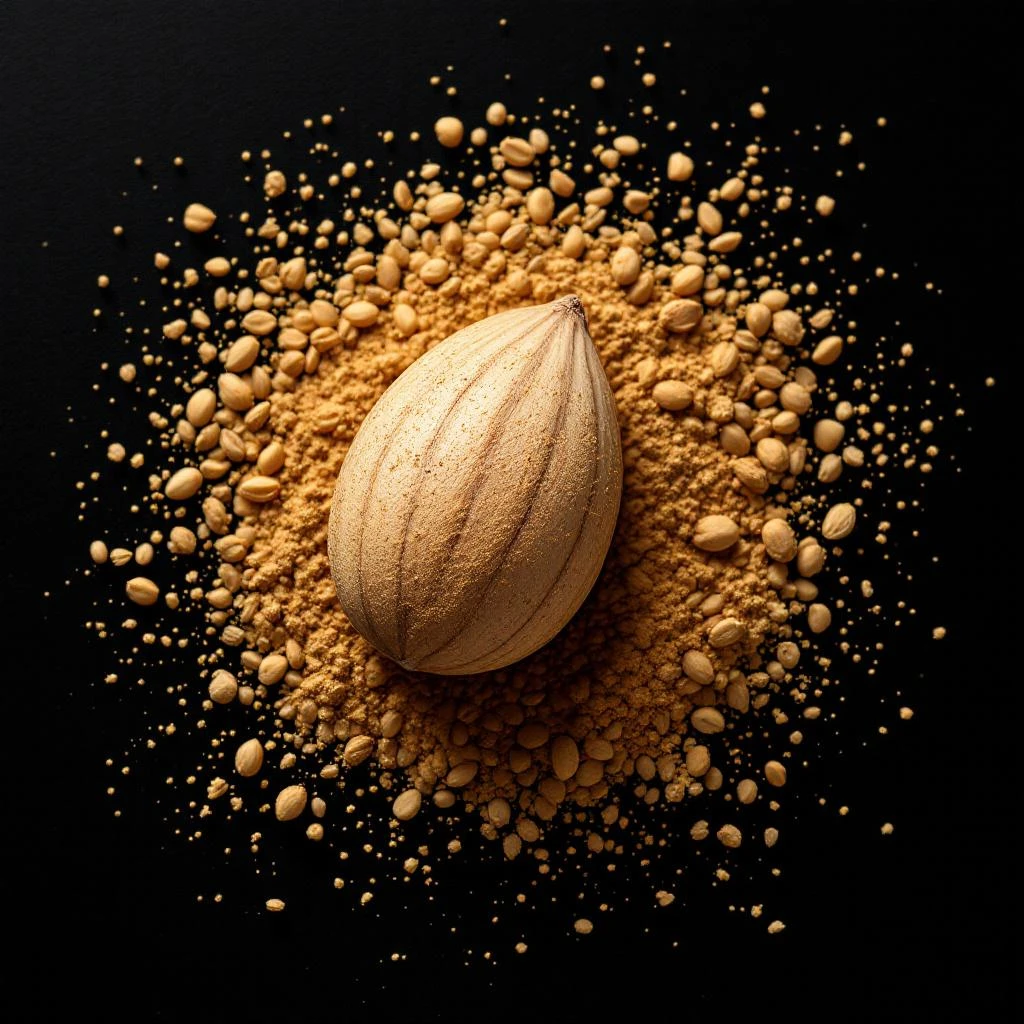
Mace delivers warm, aromatic complexity that few spices can match. The lacy aril surrounding the nutmeg seed carries a more refined character than its famous cousin, with layers of pepper, clove, and subtle sweetness that perfumers have prized for centuries.
Character
How it smells
The spice that whispers where nutmeg shouts.
Mace and nutmeg grow on the same tree, but mace comes from the aril, a lacy membrane that encases the seed. The Banda Islands still produce the world's finest quality.








Origin
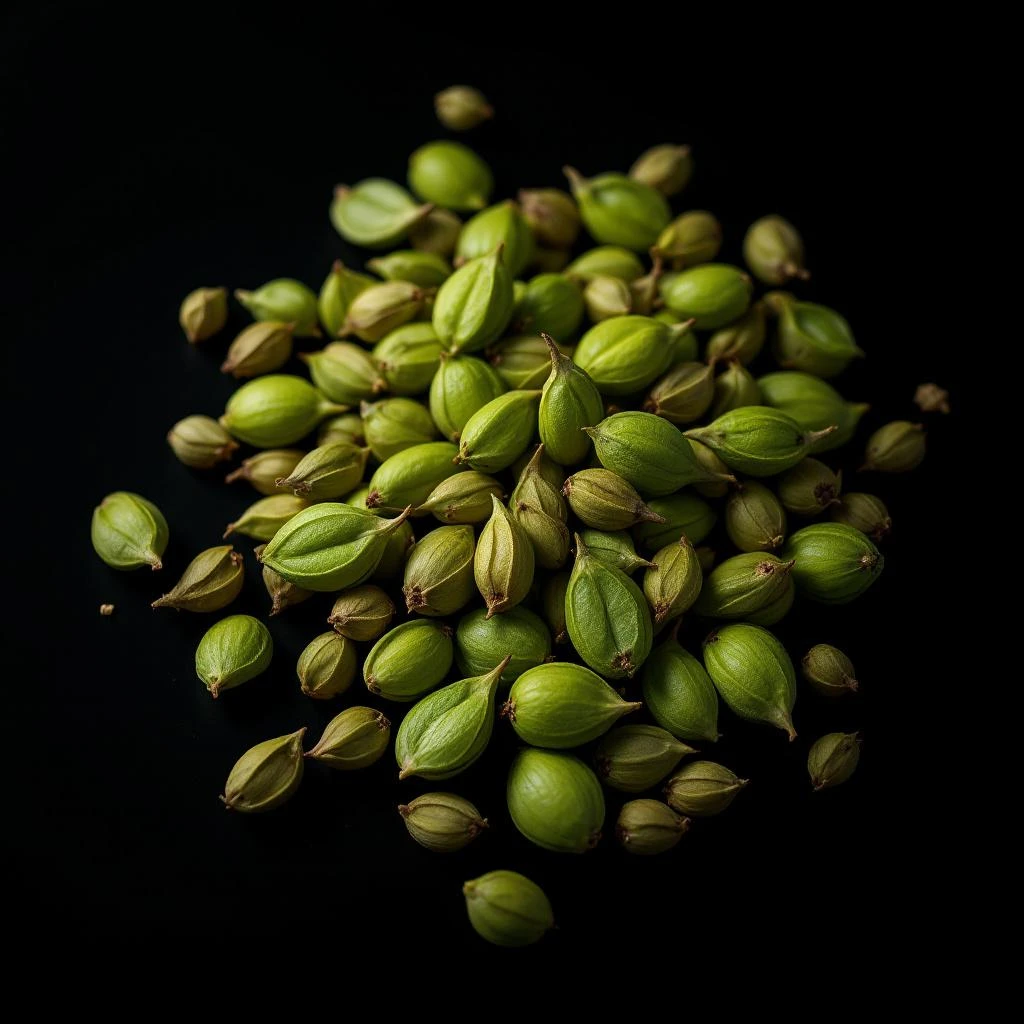
Indonesia
Mace held extraordinary value throughout medieval Europe, commanding prices comparable to gold and precious metals. A single pound of mace could purchase a house in some regions, placing it among the most expensive commodities of the era.
The Banda Islands in the Maluku archipelago became the epicenter of global mace and nutmeg production, their strategic importance making them the subject of fierce colonial competition between the Dutch and British throughout the 17th century. Arab traders first introduced mace to European markets via the Silk Road, though the spice's true origin remained a closely guarded secret for generations.
Medieval physicians prescribed mace for digestive ailments and as a remedy for melancholy, reflecting the spice's status as both culinary treasure and medicinal agent. The Dutch ultimately controlled mace production for nearly two centuries, burning nutmeg trees to maintain artificial scarcity and protect their monopoly.
Wears it best
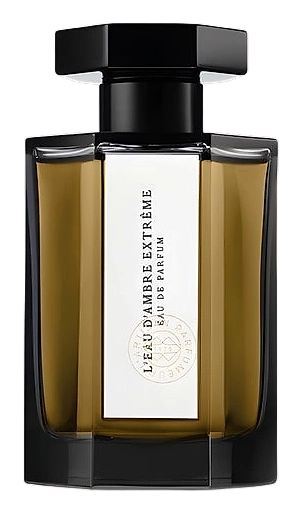
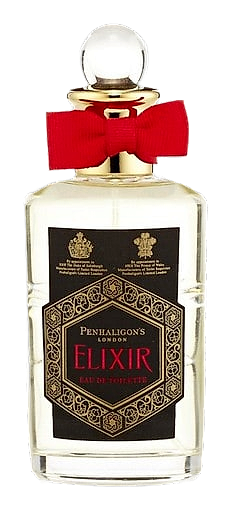
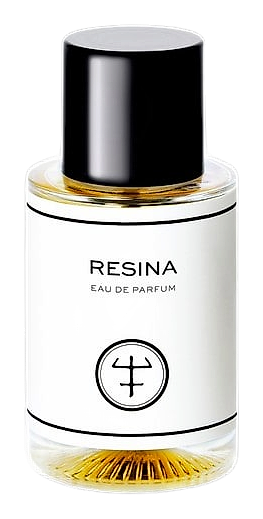
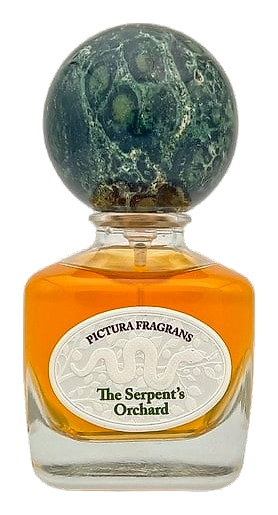
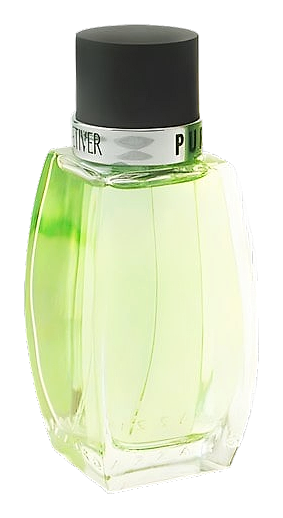
Fragrances featuring Mace


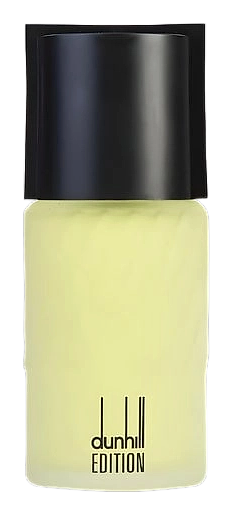
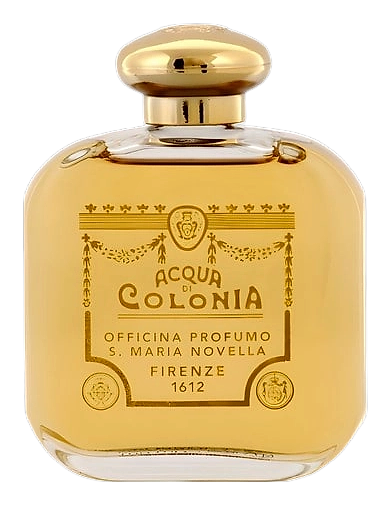
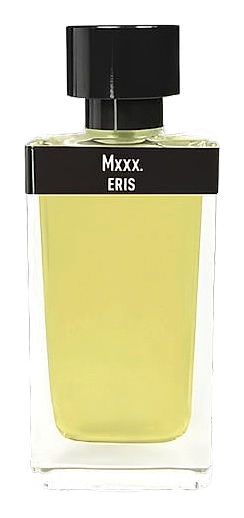
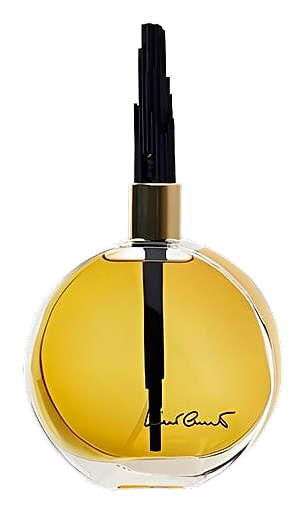
Brands
Brands known for Mace
Good to know
Questions, answered
The essentials on Mace in perfumery: how it smells, where it comes from, and how it behaves on skin.
What is mace in perfumery?
Mace is the dried outer aril of the nutmeg seed. In perfumery, it yields an absolute and essential oil prized for warm, spicy aroma compounds. The material adds aromatic complexity to oriental and spicy fragrance compositions.
How does mace differ from nutmeg?
Mace and nutmeg share the same botanical source, Myristica fragrans, but occupy different anatomical parts. Mace is the lacy aril surrounding the seed, while nutmeg is the seed itself. Mace offers a more delicate, refined aromatic profile.
What does mace smell like?
Mace presents warm, spicy characteristics with sweet, woody undertones. The aroma blends pepper-like sharpness with clove and subtle cinnamon notes. It reads as more refined and less heavy than nutmeg in fragrance applications.
Is mace used in traditional medicine?
Traditional systems used mace for digestive support and calming preparations. The spice contains myristicin, a compound under study for various properties. Modern perfumery focuses on its aromatic applications rather than medicinal use.
What extraction methods suit mace?
Steam distillation produces mace essential oil. Solvent extraction yields mace absolute, preferred in perfumery for its more complete aromatic profile. Choice depends on desired final application and fragrance type.
Which fragrance families use mace?
Mace appears primarily in oriental and spicy fragrance families. It supports warm, ambery compositions and adds character to men's fragrances. The material pairs well with woods, resins, and other spice notes.
Is mace a sustainable ingredient?
Mace production centers on Indonesia, where Myristica fragrans grows well in tropical conditions. Responsible sourcing ensures sustainable harvesting. The plant's resilience supports continued production without cultivation concerns.
Are synthetic alternatives available for mace?
Synthetic replacements exist for certain mace aroma compounds. However, natural mace absolute delivers complex aromatic nuances that artificial alternatives cannot fully replicate. Perfumery often favors natural materials for authenticity.