The Story
Why it exists.
The beginning
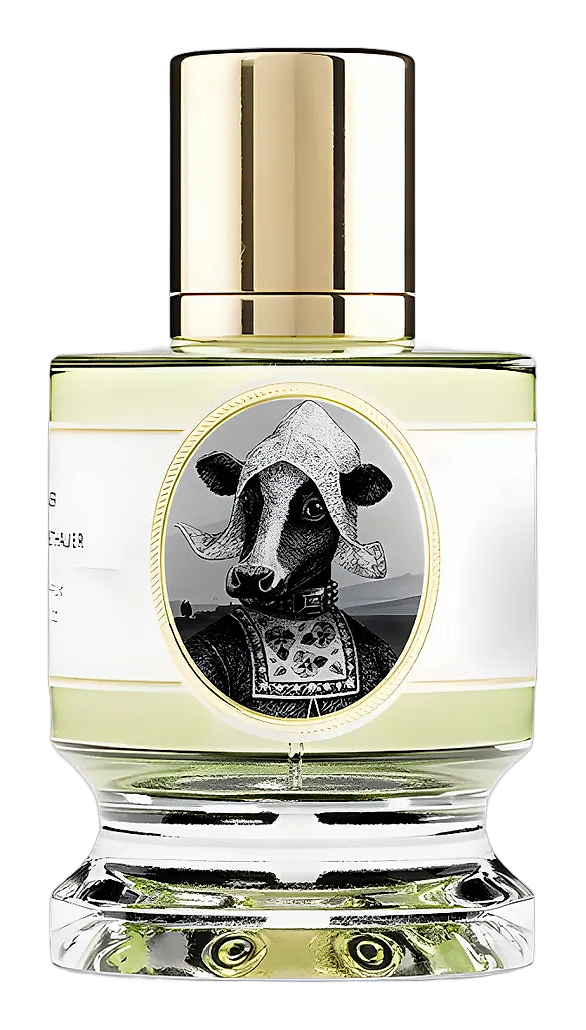
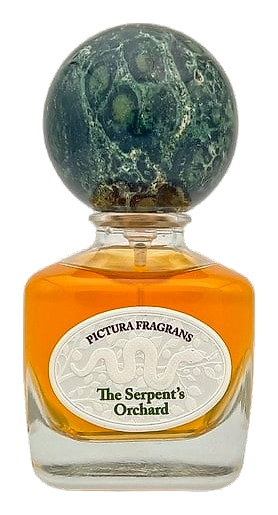
The Serpent's Orchard begins with a story everyone knows, and quietly rewrites it. Where once Eve was the cautionary tale, here she returns fully present in her own right. DL Jenkins took the myth and inverted it, not as provocation, but as a genuine reframing. The garden becomes the protagonist: fig trees heavy with fruit, crushed blooms rising from warm earth, air thick with memory and sweetness turned wild. The composition mirrors that ambition. Tokaji wine's effervescence meets nettle's green bite, a sparkling tension that reads almost fizzy on skin. Alba rose whispers beneath plum's deep sweetness. This is abundance verging on excess, ripeness pushing past reason. A garden before the serpent delivered its verdict, before consequence. The Serpent's Orchard asks what happens when you give Eve her own chapter.
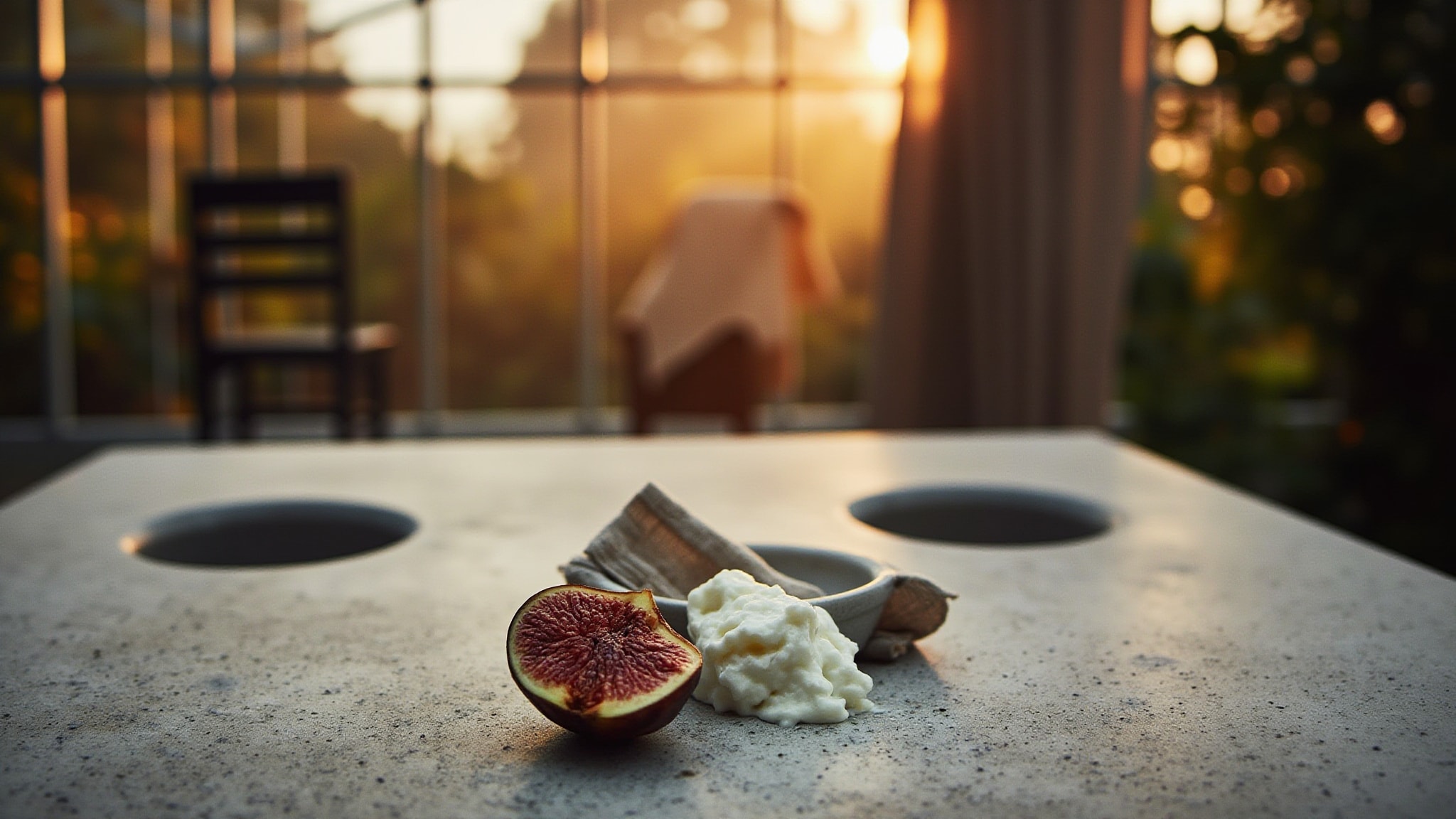
The yogurt note is the tell. Not because it's unusual in isolation, lactonic accords appear throughout perfumery, but because of what it does alongside the fig here. The fermented creaminess of yogurt tempers the fruit's honeyed sweetness, grounding it in something slightly tangy, slightly animal. It prevents the fig from reading as fresh or jammy. Instead, it becomes something more elemental. Fig as the flesh of something ripe and offered. Jasmine sambac adds tropical depth beneath the honey, while myrrh introduces a warm resinous quality that echoes the myrrh's own mythological weight. These aren't accidents.
The evolution
The opening announces itself immediately. Tokaji wine fizzes against the skin, nettle cutting through with a green sharpness that stops short of aggressive. Fig leaf provides texture. The plum emerges quietly beneath, its sweetness building. Then the heart takes over and everything changes. Fig and yogurt become the conversation. No longer sparkling, the composition softens into something lactonic and intimate. Honey brightens the creaminess without sweetening it past authenticity. Jasmine sambac and myrrh push through from below, adding depth and resinous warmth that prevents the heart from reading as purely dessert. The drydown strips away the fruit entirely. What's left is muscone and musk warming against skin, Mysore sandalwood providing the woody foundation, amber adding a golden sweetness. Indole lingers in the background, not obvious, but present. The mace adds a subtle spice that catches in the throat if you breathe deeply. The sillage doesn't disappear. It transforms.
Cultural impact
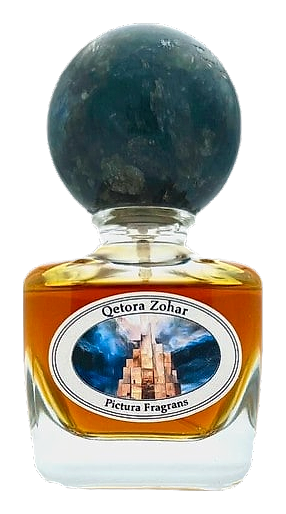
The Serpent's Orchard belongs to a niche perfumery movement that prizes unexpected material combinations over familiar accords. Tokaji wine as a starring note challenges conventional perfume construction, where alcohol bases typically serve as carriers rather than protagonists. This fragrance participates in a broader cultural conversation about edible luxury and the democratization of fine materials through artistic interpretation. The fig and lactonic heart reflects a post-2010 perfumery sensibility that embraces dessert-like complexity without irony. Pictura Fragrans represents the boutique end of this spectrum, where small-batch production and conceptual fragrance naming signal intentionality over commercial accessibility.