Tokaji Wine
Tokaji is a legendary Hungarian wine crafted from grapes touched by noble rot, producing extraordinary aromatic complexity. In perfumery, this ingredient brings layers of dried apricot, saffron, honey, and warm resinous depth rarely matched by any other natural source.
Character
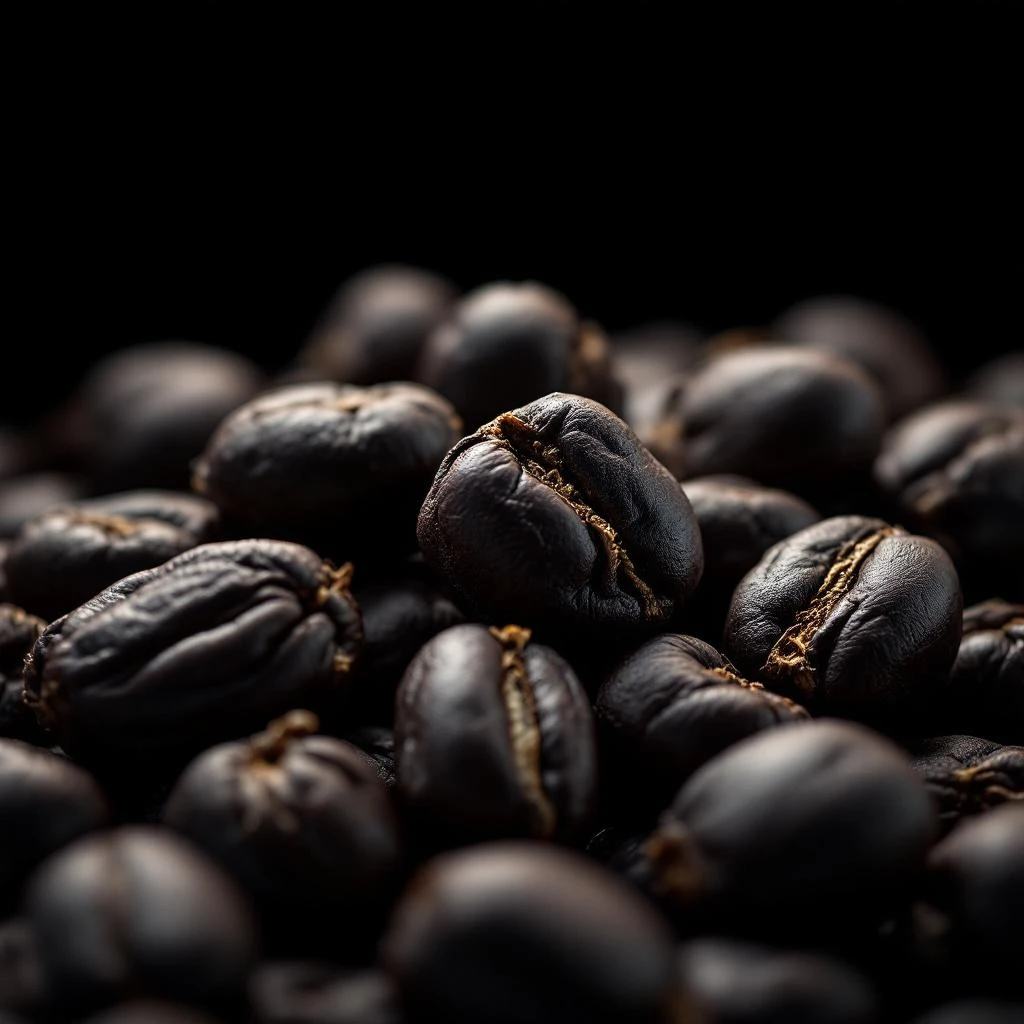
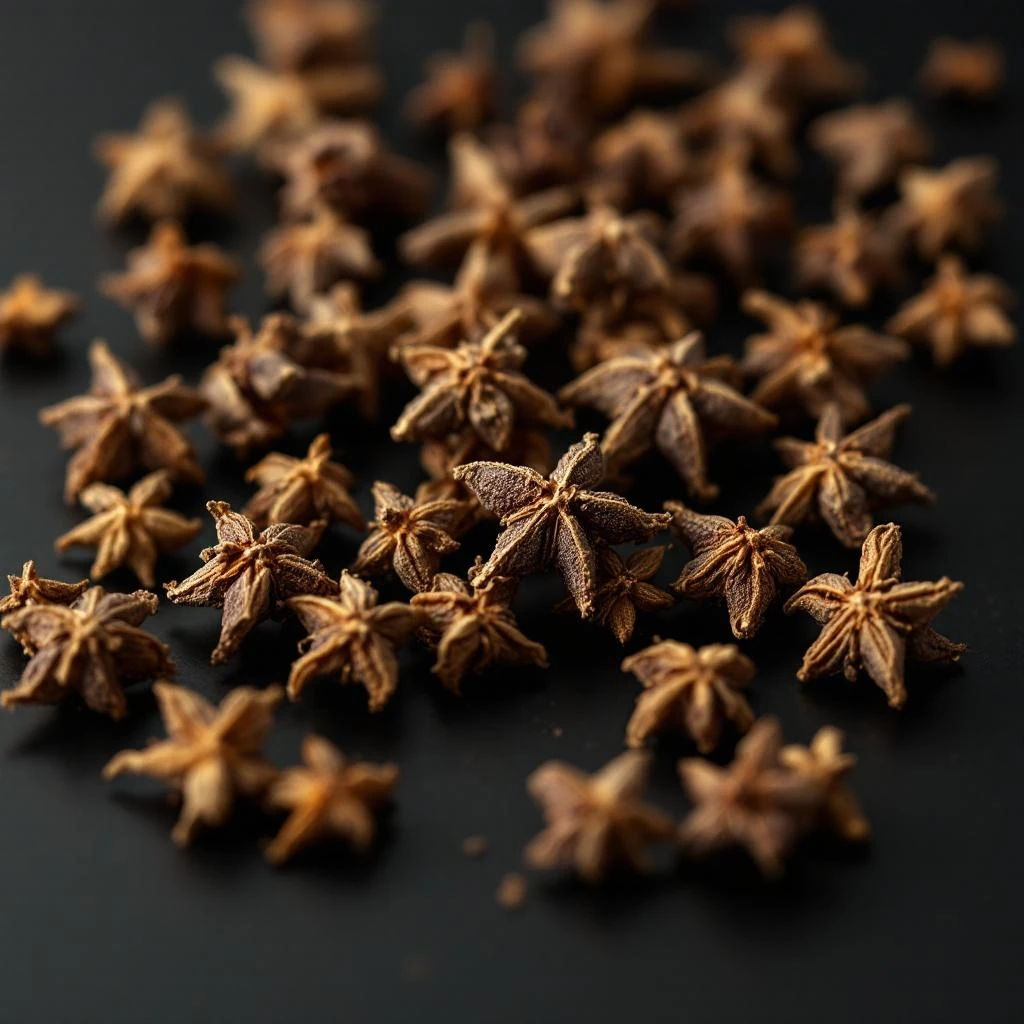
How it smells
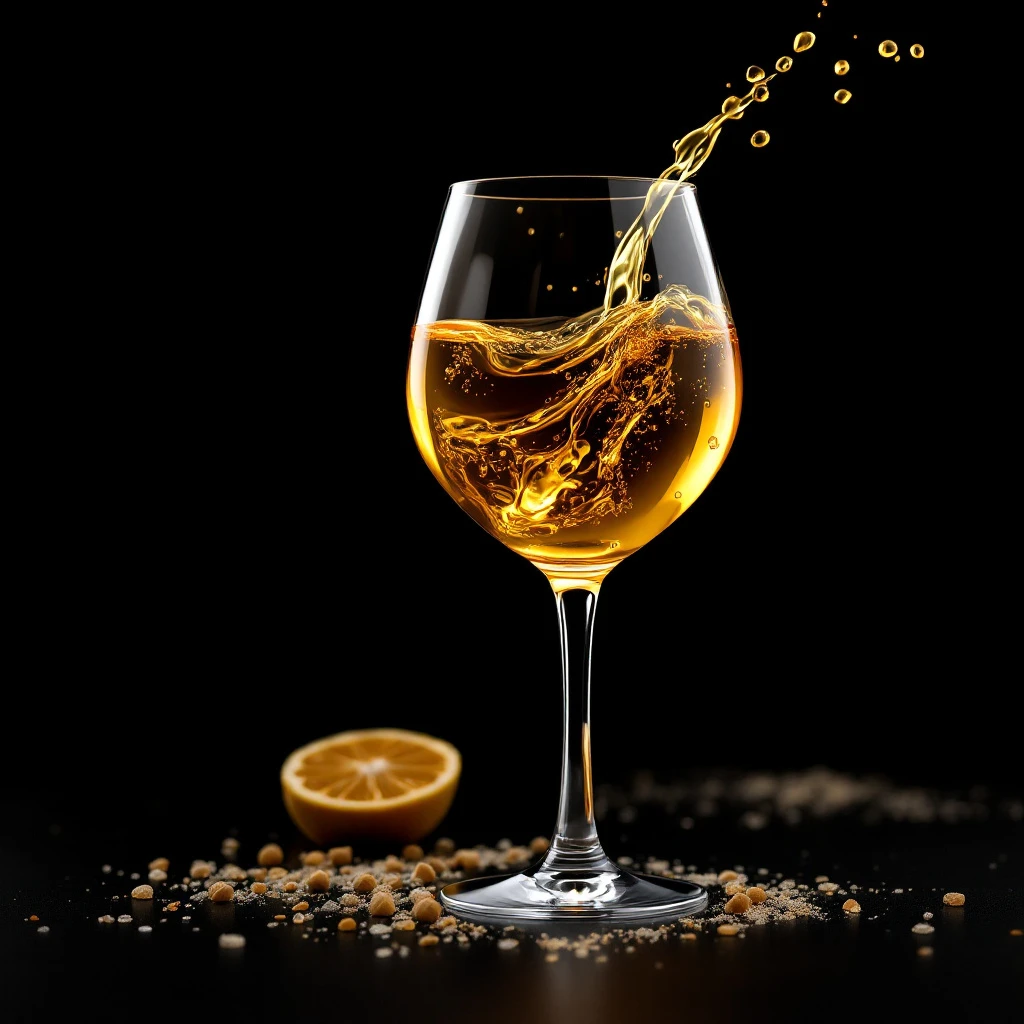
The world's first classified wine, born of noble rot.
Hungarian royalty once accepted Tokaji as payment for state taxes due to its extraordinary value and scarcity.





Origin
Hungary
The Tokaj wine region in northeastern Hungary holds winemaking records dating back over a thousand years, with mentions of the wine appearing in documents from 1635. In 1650, the region became the world's first officially classified wine area—a full 145 years before Bordeaux established its classifications. Russian tsars, French monarchs, and German poets including Goethe considered Tokaji a luxury worth pursuing at any cost.
Louis XIV reportedly called it 'the wine of kings and the king of wines.' The Aszú style emerged during this golden era, producing intensely sweet, complex expressions that could age for decades. Hungarian nobility once accepted Tokaji in place of currency for tax payments, a testament to how seriously the world once took this amber elixir.
The region straddles the border of modern Hungary and Slovakia, but the volcanic basalt and loess terroir on the Hungarian side remains the source of the most prized expressions. Though production nearly vanished under communism, a renaissance since the 1990s has restored Tokaji's reputation among sommeliers and artisan perfumers alike.
Wears it best
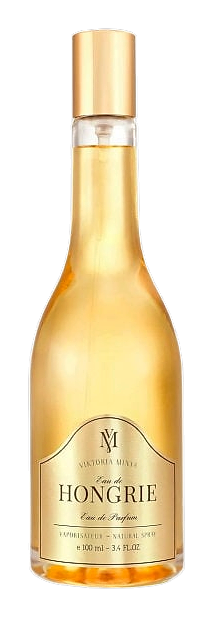
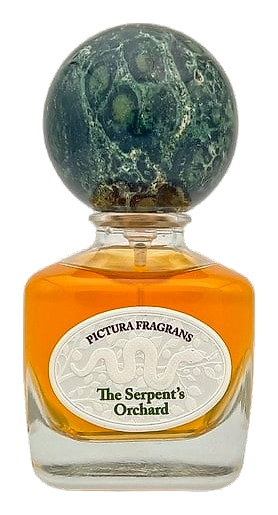
Fragrances featuring Tokaji Wine

Brands
Brands known for Tokaji Wine
Good to know
Questions, answered
The essentials on Tokaji Wine in perfumery: how it smells, where it comes from, and how it behaves on skin.
Why is Tokaji considered one of the rarest fragrance ingredients?
Tokaji is extremely rare because it depends on botrytis, a fungus requiring precise humidity conditions. Only select vintages achieve the concentration needed for fragrance use, and global production of Eszencia measures in mere liters annually.
What does Tokaji contribute to a fragrance composition?
Tokaji adds a unique combination of honeyed sweetness, dried stone fruit, and a warm vinous quality that reads as sophistication rather than sugary excess. It works as a modifier that rounds edges and adds perceived age to base notes.
Is Tokaji used as a natural extract or a synthetic recreation in perfumery?
Both approaches exist. High-end perfumers may use wine-derived aromatic materials, while most commercial fragrances rely on synthetically reconstructed aromatic molecules that mimic Tokaji's characteristic sotolon and phenylacetic acid profile.
What gives Tokaji its distinctive aromatic signature?
Noble rot concentrates both sugars and aromatic compounds in the grape. Key compounds include sotolon, which contributes curry and maple notes; phenylacetic acid for honeyed warmth; and linalool derivatives that add floral lift.
How is the Tokaj wine region defined geographically?
The Tokaj region spans 27,000 acres across northeastern Hungary and a small part of southern Slovakia. Volcanic basalt and loess soils create the distinctive mineral-terroir character that distinguishes its wines from anywhere else.
What styles of wine does the Tokaj region produce?
Though famous for sweet Aszú and Eszencia, more than half of Tokaj's production is dry wine. The dry styles—from Furmint and Hárslevelű grapes—offer crisp minerality and early-drinking appeal without botrytis influence.
Why is Tokaji historically called the wine of kings?
Hungarian rulers promoted Tokaji across European courts in the 17th and 18th centuries. Louis XIV famously praised it, and Russian tsars maintained personal stocks, cementing associations with royal luxury that persist today.
Can Tokaji be found in mainstream fragrances, or only niche perfumes?
Tokaji appears primarily in niche and artisan fragrances due to ingredient cost and sourcing complexity. Its use signals a perfumer's commitment to rare materials rather than cost-efficient alternatives.