Davana
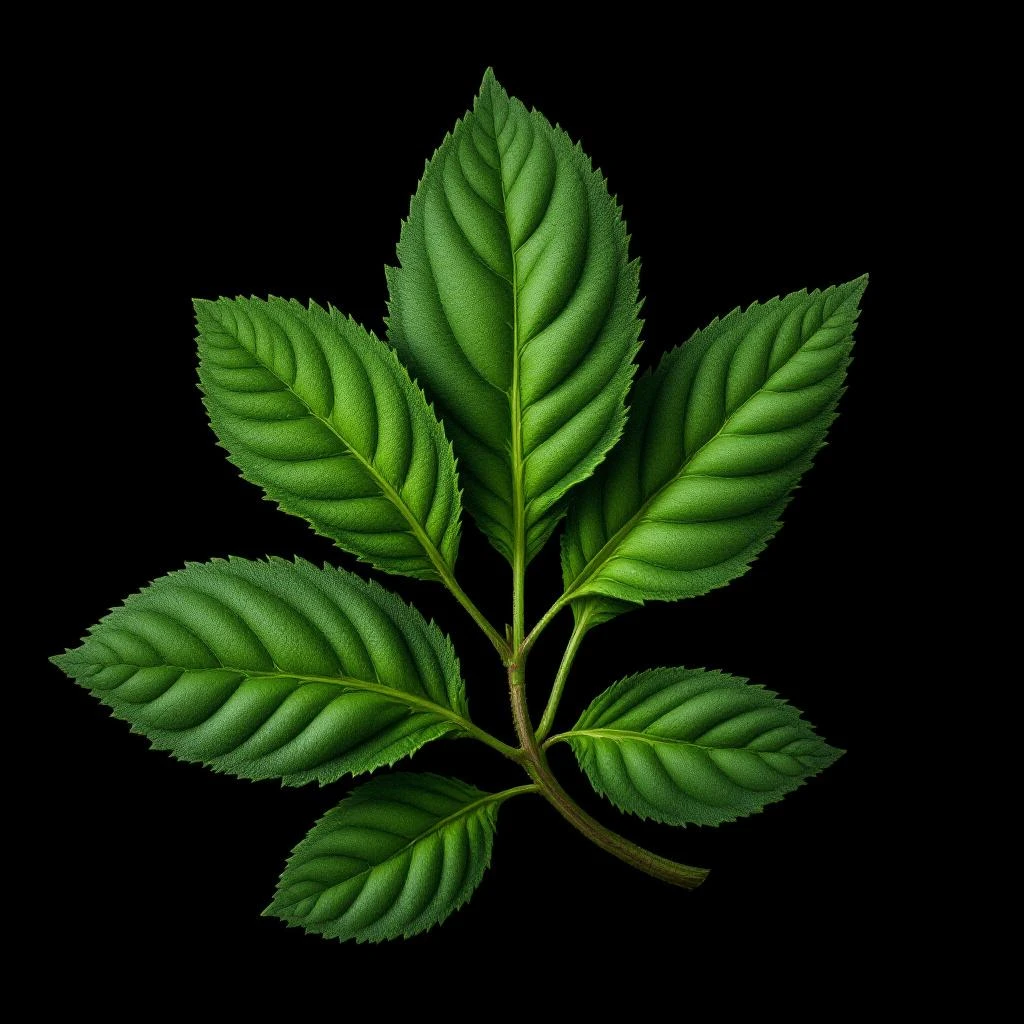
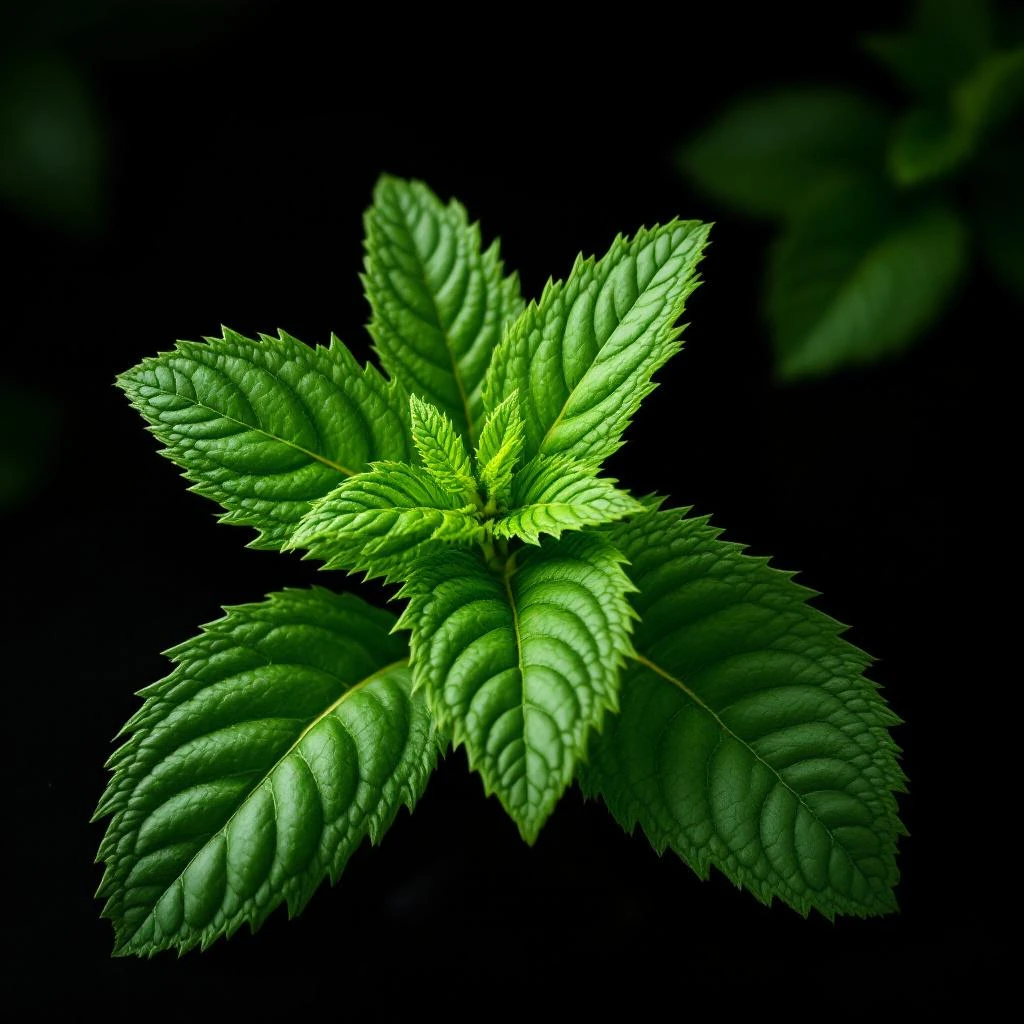
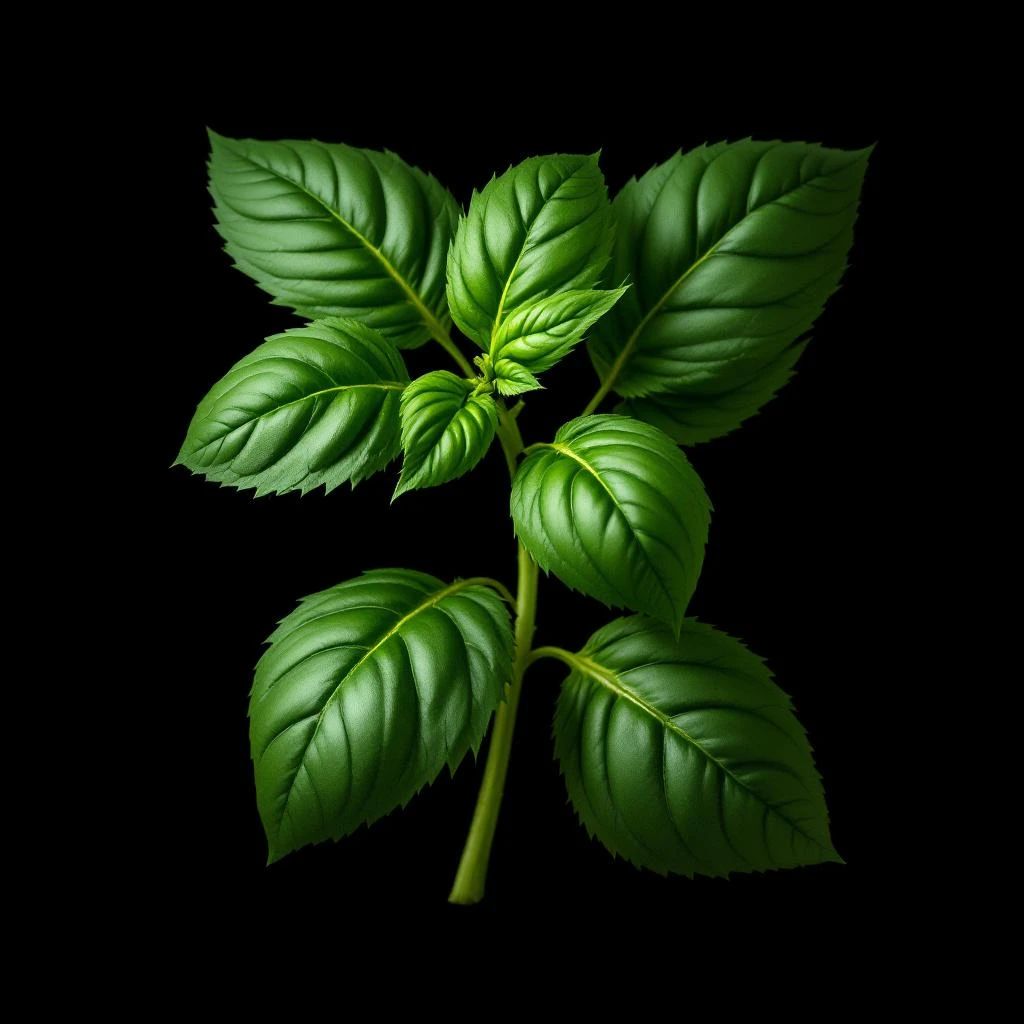
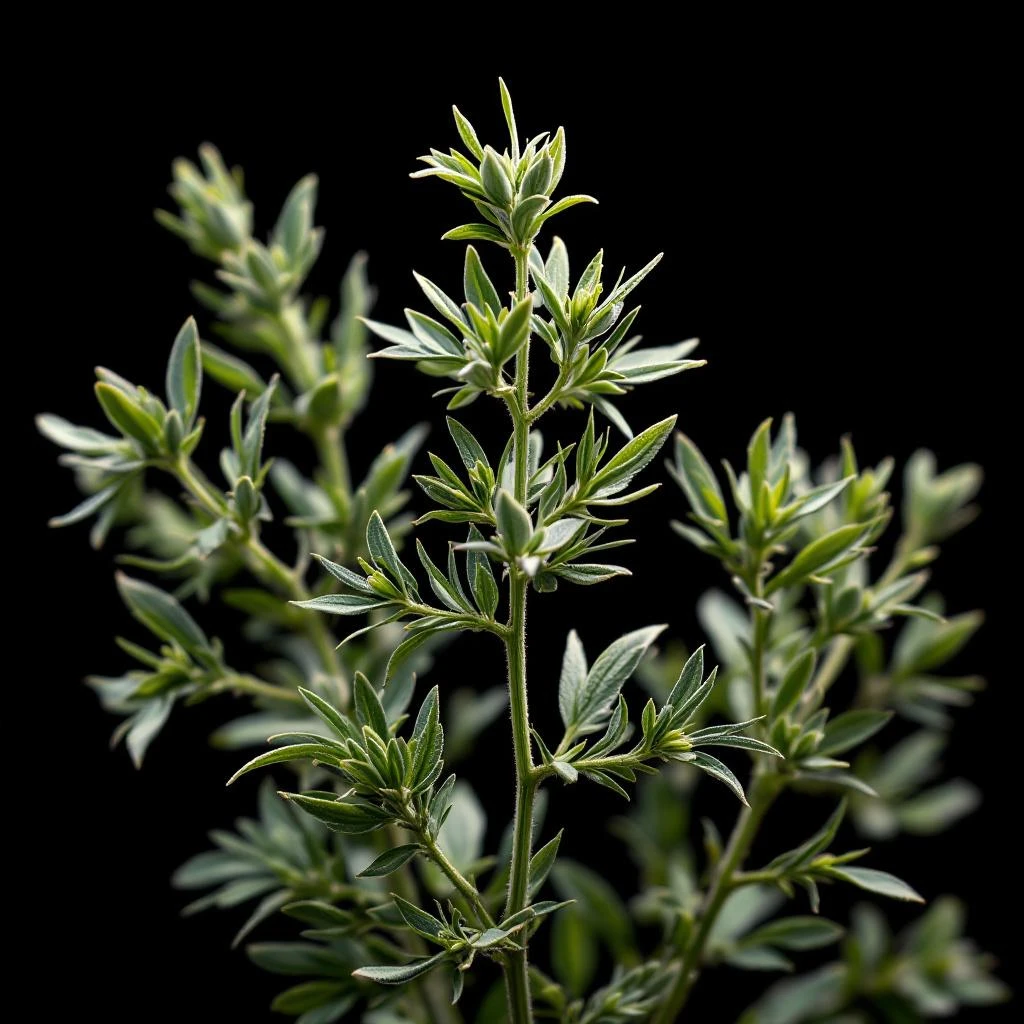
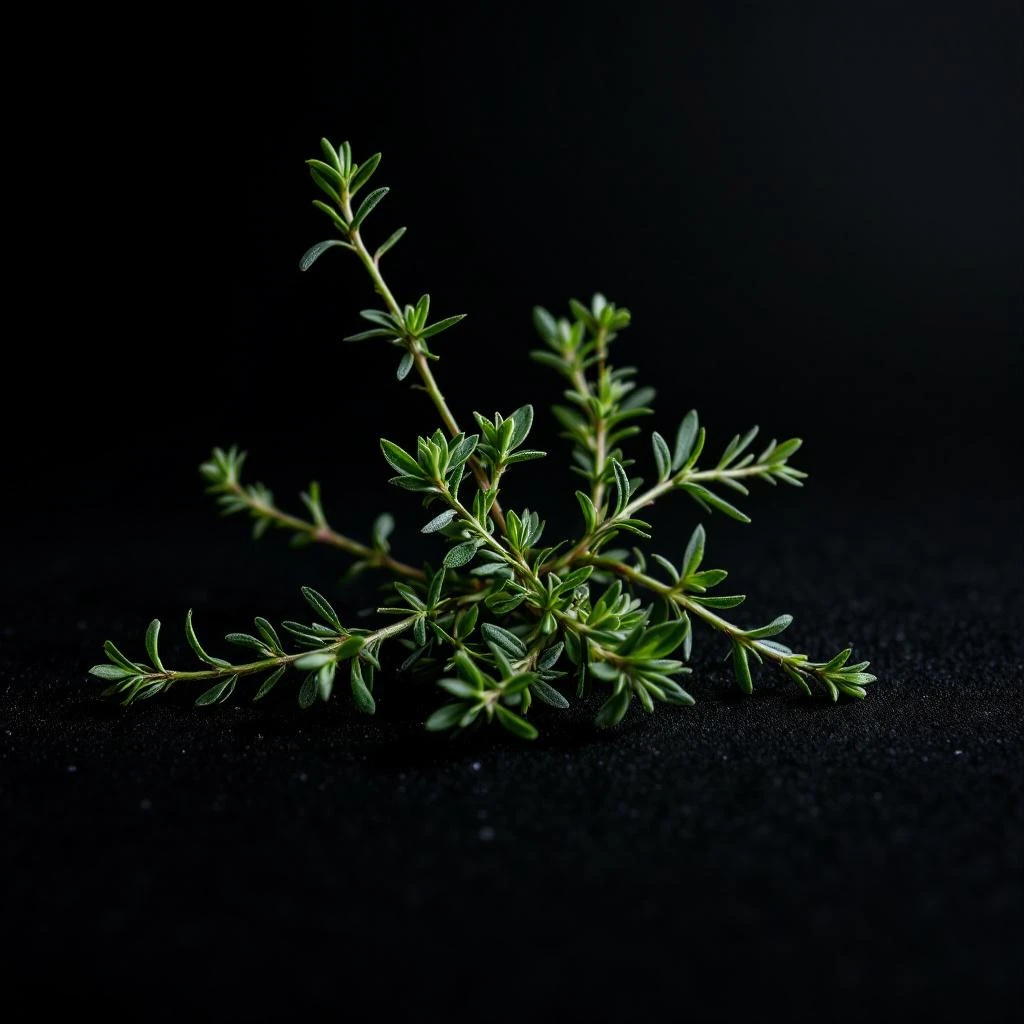
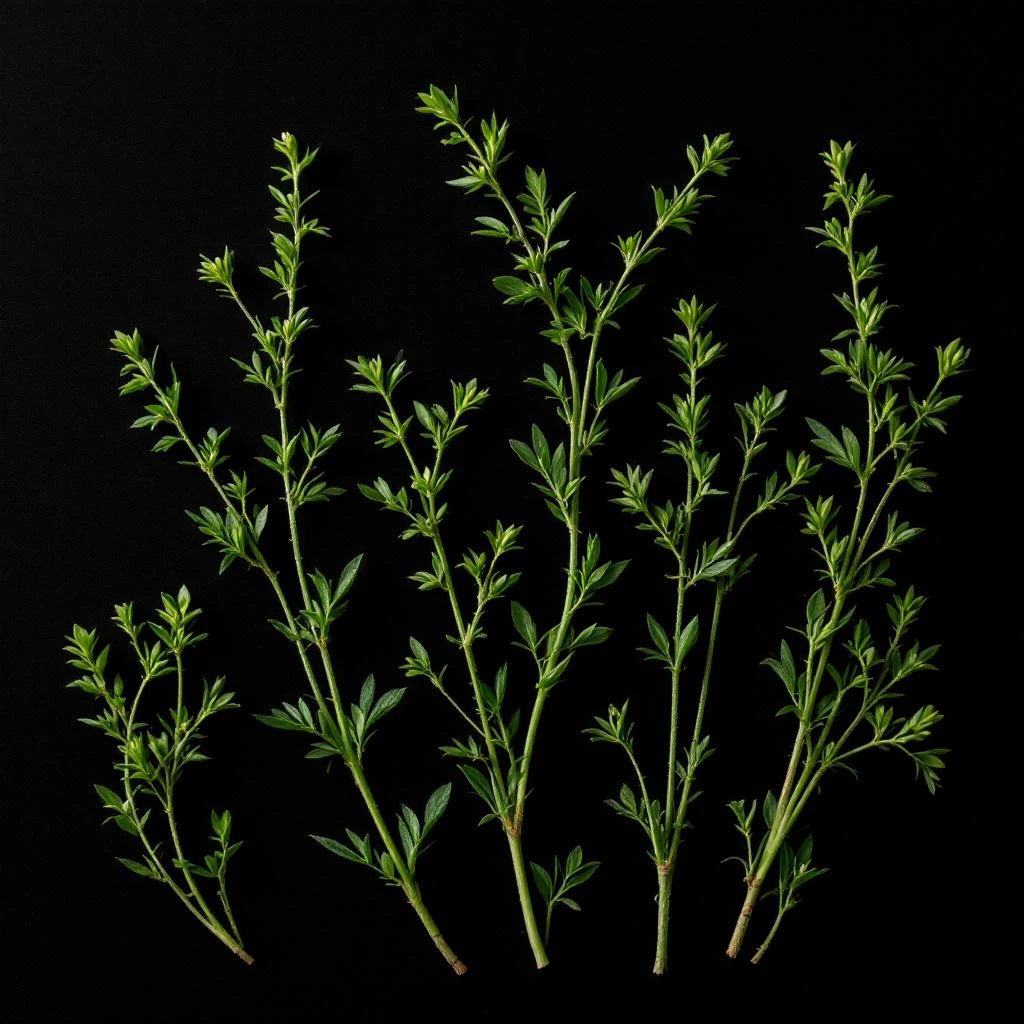
Davana is a sweet, tea-like aromatic with a fruity, herbal edge, distilled from Artemisia pallens, a silver-leafed herb native to southern India prized for its uniquely complex scent.
Character
How it smells
India's sweet, tea-kissed herbal treasure
Davana oil smells slightly different on every wearer because its scent reacts to individual body chemistry, making each application uniquely personal.








Origin
India
Davana's history in modern perfumery is remarkably brief. First commercial distillations reportedly emerged from India in the first half of the 20th century, putting the ingredient on a far younger timeline than classics like sandalwood or rose. The herb, Artemisia pallens, belongs to the same silver-leafed Artemisia family that includes wormwood and mugwort, and it grows wild and cultivated across southern India, particularly Karnataka, Tamil Nadu, and Andhra Pradesh.
For generations before distillation techniques reached the region, davana held a place in traditional Indian rituals and Ayurvedic practice, where the dried herb was burned as incense and offered in ceremonial contexts. Its transition into commercial perfumery coincided with the global appetite for novel naturals during the mid-20th century, when Western perfumers began seeking ingredients beyond the established Mediterranean and European palette. Davana's intoxicating, wine-like sweetness quickly attracted interest from noses working on oriental and chypre compositions.
The oil remains a niche but revered material, anchored to its single geographic origin. India continues to dominate production, and the plant's narrow cultivation zone keeps supply intentionally limited, sustaining its status as a distinctive, regionally specific aromatic.
Wears it best
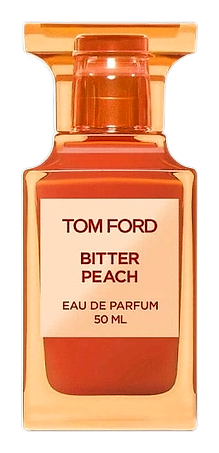
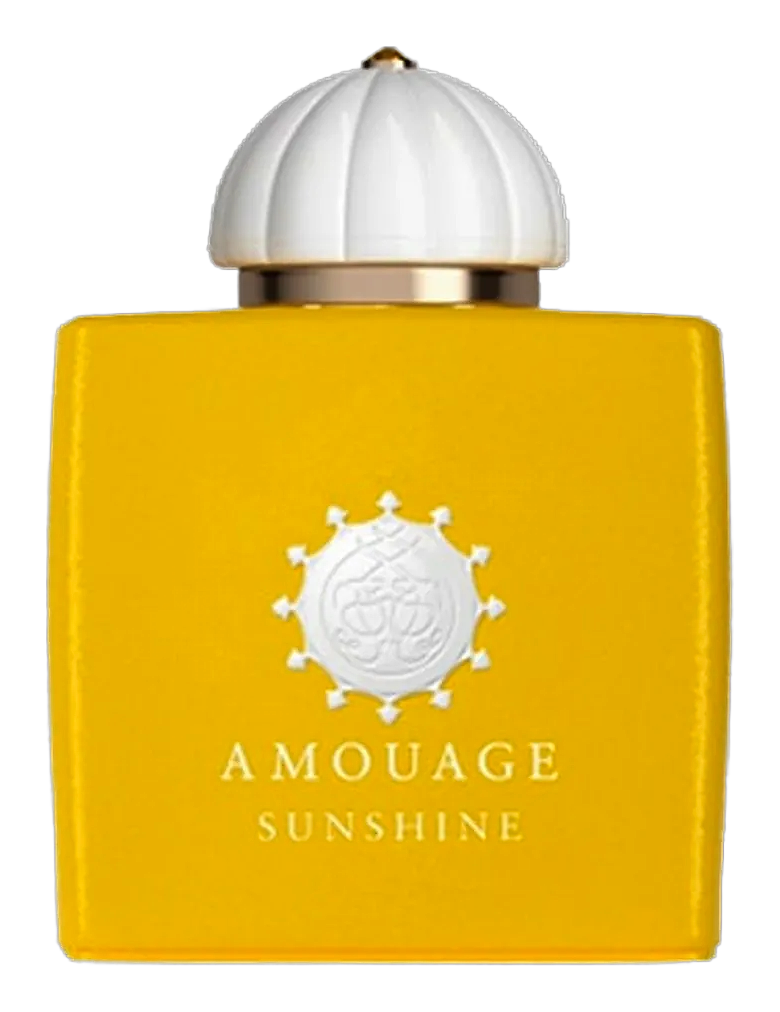
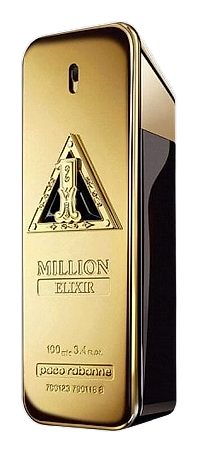
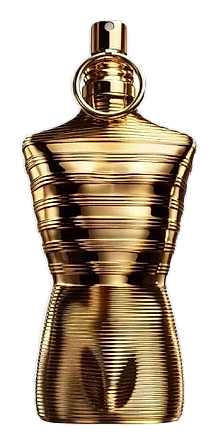
Fragrances featuring Davana
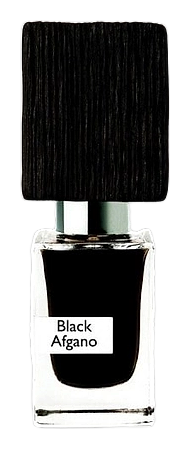

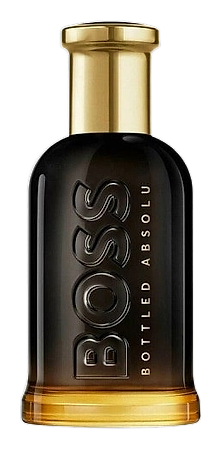
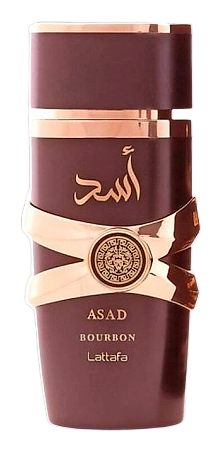
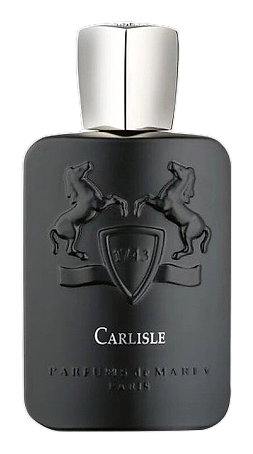
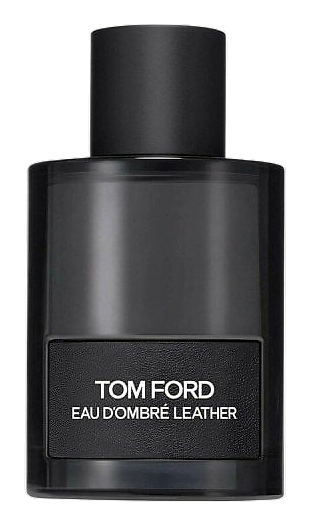
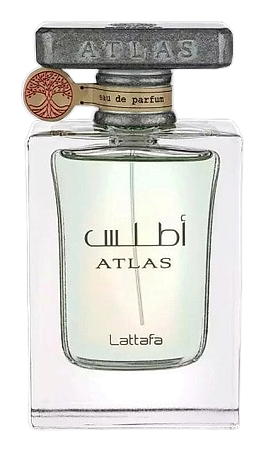
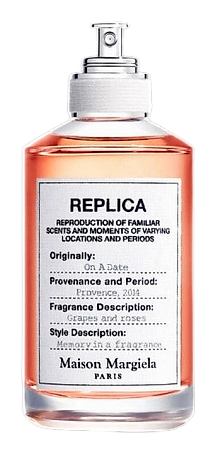
Brands
Brands known for Davana
Good to know
Questions, answered
The essentials on Davana in perfumery: how it smells, where it comes from, and how it behaves on skin.
What does davana smell like?
Davana smells sweet, fruity, and tea-like, with herbal undertones and a faintly wine-like or liqueur-soaked quality. The scent shifts subtly depending on the wearer's skin chemistry, which is one of its most distinctive characteristics.
Is davana a floral note?
No. Davana is an herbal-aromatic note derived from Artemisia pallens, a flowering herb. Its sweetness resembles dried fruit and tea rather than a true floral, placing it in the herbal or gourmand-adjacent category.
Where does davana essential oil come from?
Davana oil comes from southern India, particularly Karnataka and surrounding states, where Artemisia pallens is cultivated and harvested. India remains the dominant global producer, with the plant rarely grown commercially elsewhere.
What is davana used for in perfumery?
Davana is used as a sweet, complex modifier in oriental, chypre, and gourmand compositions. It adds warmth and depth to florals, pairs well with resins and spices, and is valued for the way it personalizes a fragrance on skin.
When was davana first distilled?
Commercial steam distillation of davana reportedly began in India during the first half of the 20th century, making it a relatively young ingredient in the modern perfumer's palette compared to materials like frankincense or rose.
What is the main chemical component of davana oil?
Davanone is the dominant constituent in davana essential oil, a sesquiterpene ketone responsible for much of its characteristic sweetness. Linalool and davana ethers contribute supporting aromatic layers.
Is davana a natural or synthetic ingredient?
Davana is naturally derived, produced exclusively through steam distillation of the fresh Artemisia pallens plant. No commercially viable synthetic equivalent fully replicates its complex, skin-reactive scent.
Is davana safe to apply to skin?
Davana oil is generally considered safe in the low concentrations used in fine fragrance. As with any essential oil, direct undiluted skin application is not recommended, and perfumers observe standard IFRA guidelines for use levels.