Yogurt
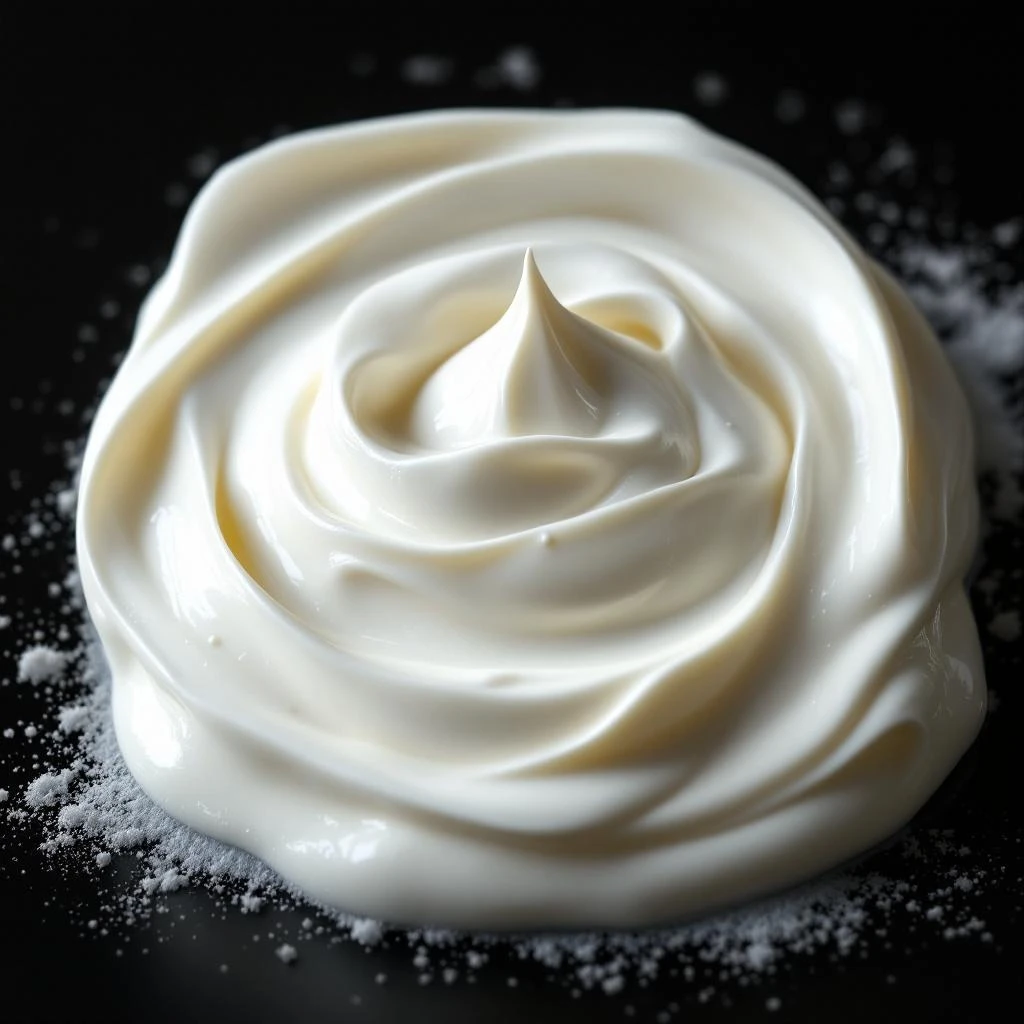
Yogurt note captures the fresh, tangy creaminess of cultured milk, delivering a bright dairy accord that balances sweet and sour, adding a subtle, edible depth to modern fragrance compositions.
Character
How it smells
Tangy dairy creaminess in a single scent.
The aroma of yogurt was first reproduced in perfumery in the 1990s, when chemists isolated γ‑decalactone—a lactone also found in peaches—to mimic the cultured milk scent.




Origin
Turkey
Yogurt traces its roots to the high plateaus of Central Asia, where nomadic herders first discovered that milk left in skin bags fermented into a thick, sour food. By the 5th century BCE, the practice spread to the Ottoman lands, and the region now called Turkey became the cradle of modern yogurt culture. Ancient cooks prized its refreshing bite, but the scent of cultured milk rarely entered early perfume labs, which focused on floral and resinous extracts.
The first recorded attempt to capture dairy aroma appeared in the late 19th century, when chemists isolated lactic acid as a flavor component. It was not until the late 20th century, amid the rise of gourmand perfumery, that the yogurt note entered fragrance houses as a daring, edible accent. Designers used it to soften sweet vanilla or to add a realistic food dimension to avant‑garde scents.
Today, yogurt accords sit alongside vanilla, caramel, and chocolate, marking the evolution of perfume from purely botanical to a broader sensory palette.
Wears it best
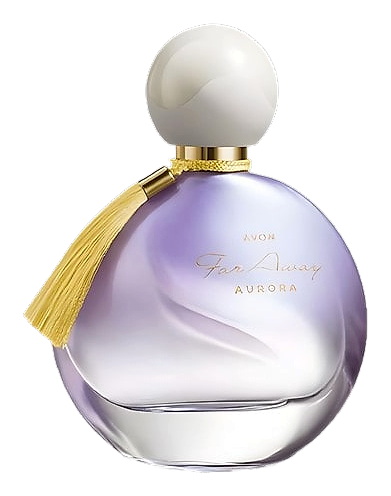
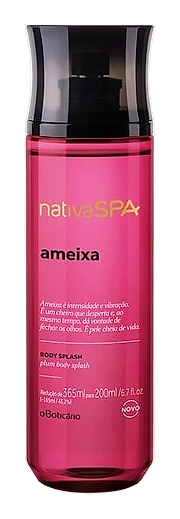
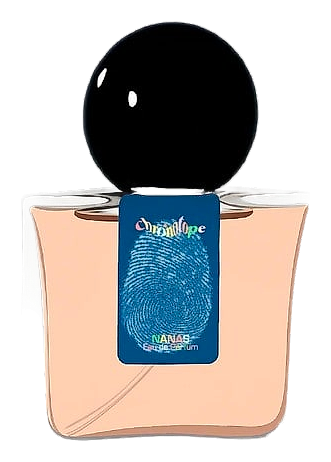
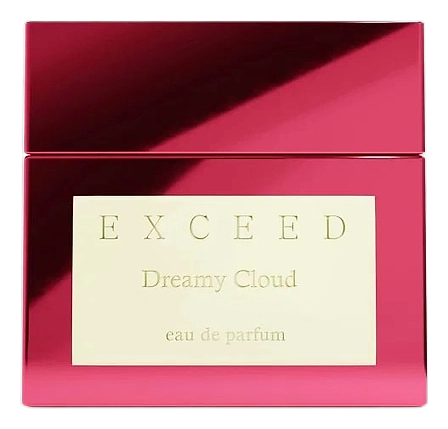
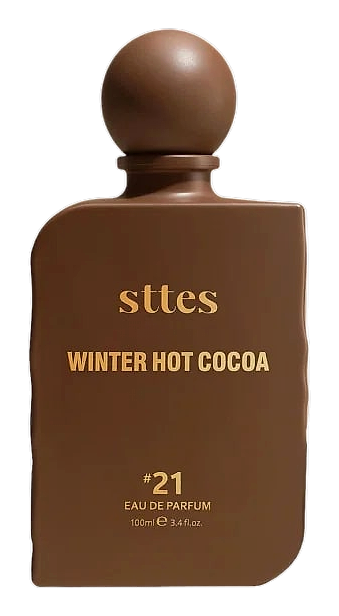
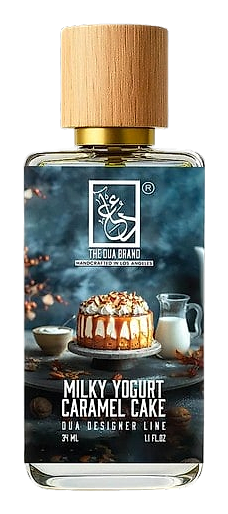
Fragrances featuring Yogurt
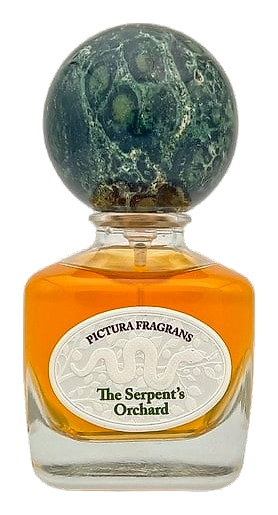
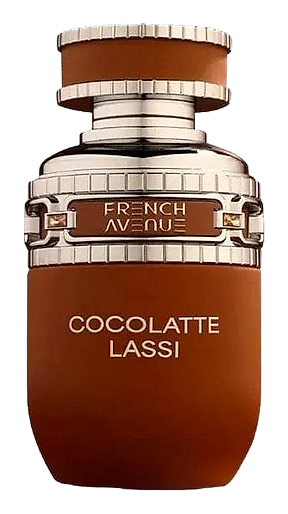
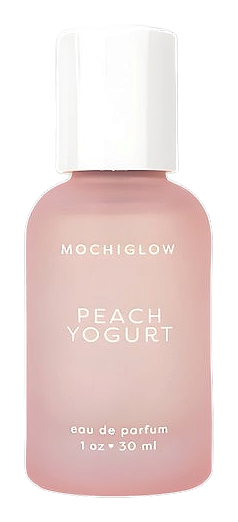
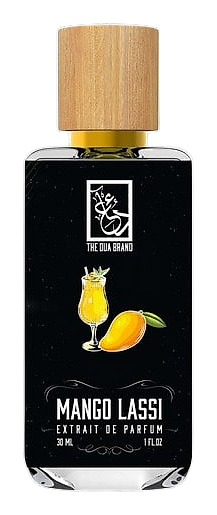

Brands
Brands known for Yogurt
Good to know
Questions, answered
The essentials on Yogurt in perfumery: how it smells, where it comes from, and how it behaves on skin.
What aroma does the yogurt note provide?
Yogurt note delivers a tangy, creamy scent with milky sweetness and subtle acidity. It combines lactic acid sharpness with buttery undertones, often described as fresh dairy with a hint of cultured fruit. Lactic acid concentration of 0.5% in typical aroma isolate creates the characteristic sour edge.
How is the yogurt note produced for perfumery?
Perfumers obtain the note by fermenting pasteurized milk with specific Lactobacillus strains, then isolating lactones such as γ‑decalactone. The process mirrors traditional yogurt making but ends with solvent extraction of the aromatic compounds. A 2021 study reported a 12‑hour fermentation yields 0.8 g L⁻¹ of γ‑decalactone.
Is the yogurt note natural or synthetic?
Both routes exist; natural yogurt aroma comes from fermented milk, while most commercial perfume ingredients are synthetically reproduced lactones. Synthetic routes guarantee consistency and avoid dairy allergens. In 2019, 68 % of listed yogurt accords in major fragrance houses were synthetic.
Which fragrance families incorporate yogurt?
Yogurt appears chiefly in gourmand and modern niche collections, pairing with vanilla, caramel, or fruit to soften sweetness. It also supports fresh aquatic blends by adding a creamy counterpoint. A 2022 market analysis recorded yogurt accords in 27 % of new gourmand launches.
How stable is the yogurt note in a perfume?
The note is moderately volatile; lactones persist for several hours but can fade faster than base woods. Proper fixation with ambergris or synthetic musks extends its presence. Stability testing shows γ‑decalactone retains 45 % intensity after 8 hours at 30 °C.
Are there allergen concerns with yogurt note?
Natural yogurt extracts contain trace proteins that can trigger dairy allergies, so many formulators prefer synthetic lactones. Regulatory bodies list dairy-derived aromatics under the “milk” allergen category. The EU Cosmetics Regulation 2020 lists γ‑decalactone as a non‑allergenic ingredient.
What sensory role does yogurt play in a composition?
Yogurt acts as a creamy bridge, softening sharp citrus or bright florals while adding a subtle sour edge that enlivens the heart. It can also mute excessive sweetness in gourmand blends. Sensory panels rate yogurt accord as improving overall balance by 0.7 points on a 5‑point scale.
Is yogurt note sustainable?
Synthetic lactones have a low environmental footprint compared with dairy farming, but they rely on petrochemical feedstocks. Natural fermentation uses renewable milk but raises concerns over water and land use. Life‑cycle analysis in 2021 showed synthetic γ‑decalactone emits 1.2 kg CO₂ eq per kg versus 3.5 kg CO₂ eq for dairy‑derived aroma.