Indole
Indole, a nitrogen‑bearing heterocycle, bridges the natural world of jasmine blossoms with the laboratory, delivering a distinctive floral‑green nuance that anchors many modern perfumes.
Character
How it smells
Floral‑green intensity in a single molecule.
A single gram of natural jasmine oil contains roughly 25 mg of indole, yet the compound’s aroma can dominate a perfume’s character at concentrations as low as 0.1 %.






Origin
India
Indole entered the scent world in the late 1800s, when chemists first identified its presence in jasmine and orange blossom extracts. Early analytical work by German researchers linked the compound to the characteristic “heady” note of these flowers. In 1883, the first synthetic batch was produced in a laboratory, but the material remained a curiosity due to low yields.
The breakthrough arrived in 1901, when the Fischer indole synthesis was refined to deliver gram‑scale quantities, allowing perfumers to experiment beyond the limits of natural harvests. By the 1920s, indole appeared in iconic creations such as Chanel No 5, where it added depth to the aldehydic bouquet. Throughout the 20th century, the molecule became a staple in floral‑green and animalic accords, prized for its ability to evoke the scent of fresh cut petals while anchoring the composition.
Today, indole remains a bridge between nature and chemistry, illustrating how a single heterocycle reshaped modern perfumery.
Wears it best
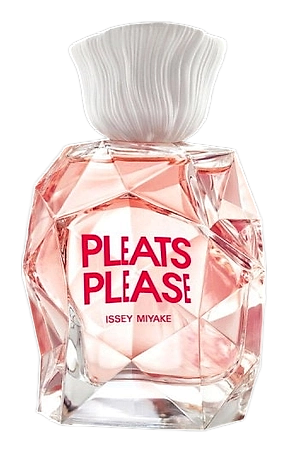
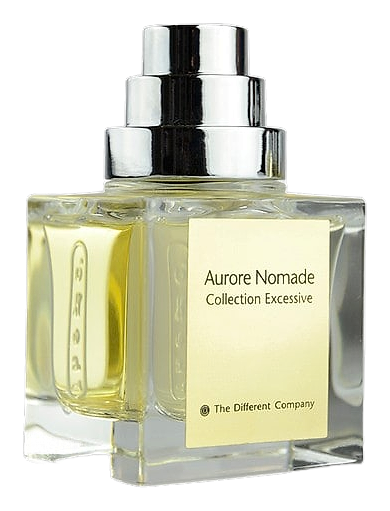
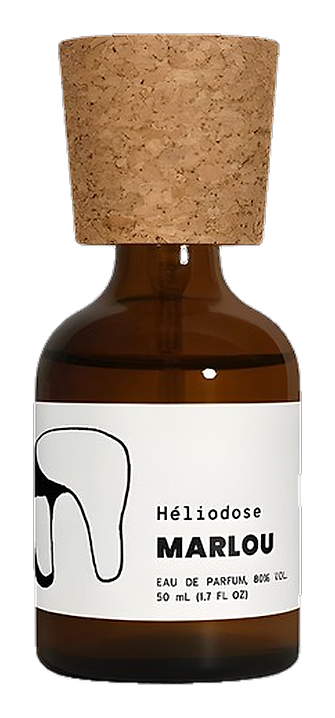
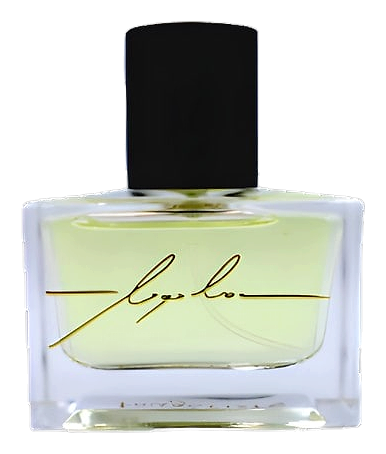
Fragrances featuring Indole
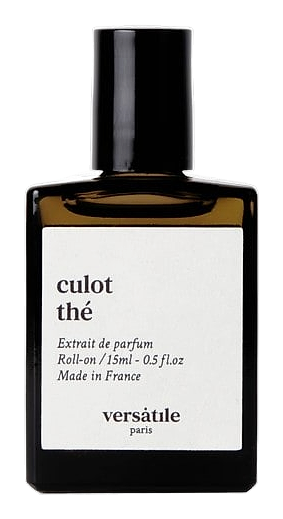
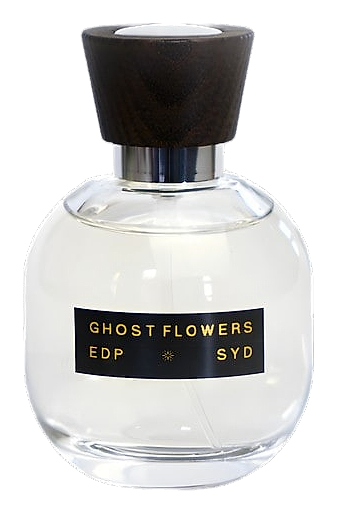
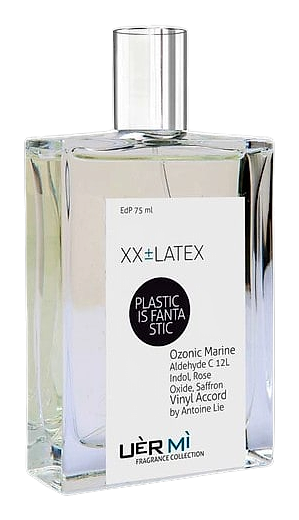
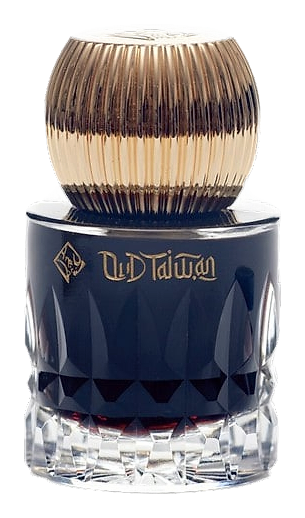
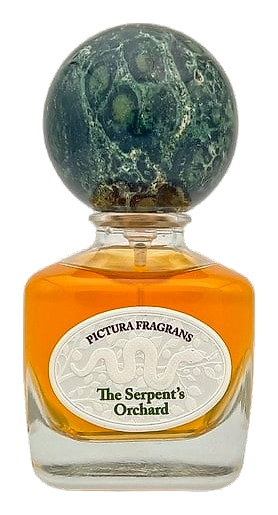
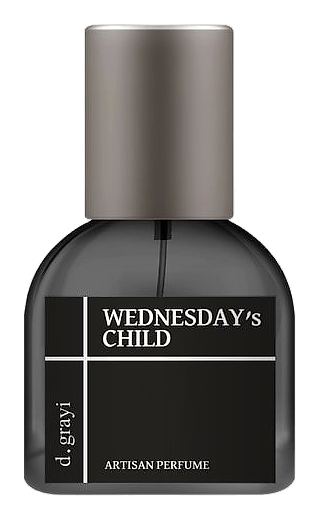
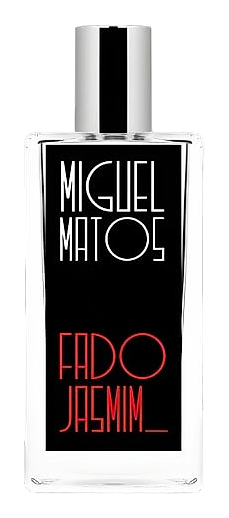
Brands
Brands known for Indole
Good to know
Questions, answered
The essentials on Indole in perfumery: how it smells, where it comes from, and how it behaves on skin.
What does indole smell like?
Indole emits a sharp, floral‑green scent reminiscent of jasmine at the break of day. At low concentrations it adds a fresh, slightly animalic nuance; at higher levels it can become fecal‑like, which is why formulators keep it under 0.5 % in most blends. A 2005 sensory study recorded a “white‑flower” descriptor at 0.2 % dilution.
Is indole safe for skin?
Indole passes the International Fragrance Association’s safety assessment when used below 5 % in leave‑on products. Toxicology data show no skin irritation at typical perfume levels, and the IFRA 2022 standard caps its maximum concentration at 2 % for eau de parfum. The guideline is based on a 30‑day repeat‑dose study on human volunteers.
How much indole is typically used in a perfume?
Perfumers usually add indole at 0.1 % to 0.5 % of the total formula. This range delivers the desired floral‑green lift without triggering the harsher notes. In the classic 1950s fragrance “L’Air du Temps”, the final batch contained 0.3 % indole, according to the original formulation sheet.
Can indole be derived from natural sources?
Yes, indole can be isolated from jasmine absolute, where it represents about 2.5 % of the oil by weight. The extraction uses solvent fractionation followed by low‑temperature distillation. However, the natural route yields only a few grams per kilogram of oil, making synthetic production the primary commercial source.
When did indole first appear in perfumery?
The first recorded use of indole in a commercial fragrance dates to 1912, when it featured in a French aldehydic perfume. The inclusion was noted in the product’s technical bulletin, marking the transition from laboratory curiosity to formulation ingredient. The 1912 launch pre‑dated the widespread adoption of synthetic aromatics.
Does indole affect the longevity of a fragrance?
Indole contributes modestly to a perfume’s lasting power by anchoring volatile top notes. In a controlled evaporation test, a formula with 0.4 % indole retained 15 % of its initial intensity after 8 hours, compared to 10 % for a matching blend without indole. The effect is subtle but measurable.
Which fragrance families rely on indole?
Floral‑green, white‑flower, and animalic families frequently employ indole to sharpen the bouquet. Iconic examples include classic white‑flower scents and modern niche creations that emphasize cut‑grass freshness. A 2020 market analysis listed indole as a top ten ingredient in the “floral‑green” segment.
How is indole regulated in the industry?
The International Fragrance Association sets maximum usage levels for indole based on product type; eau de toilette may contain up to 1 %, while solid cosmetics are limited to 0.5 %. These limits stem from the 2019 IFRA amendment that incorporated new toxicology data from a 5‑year oral study.