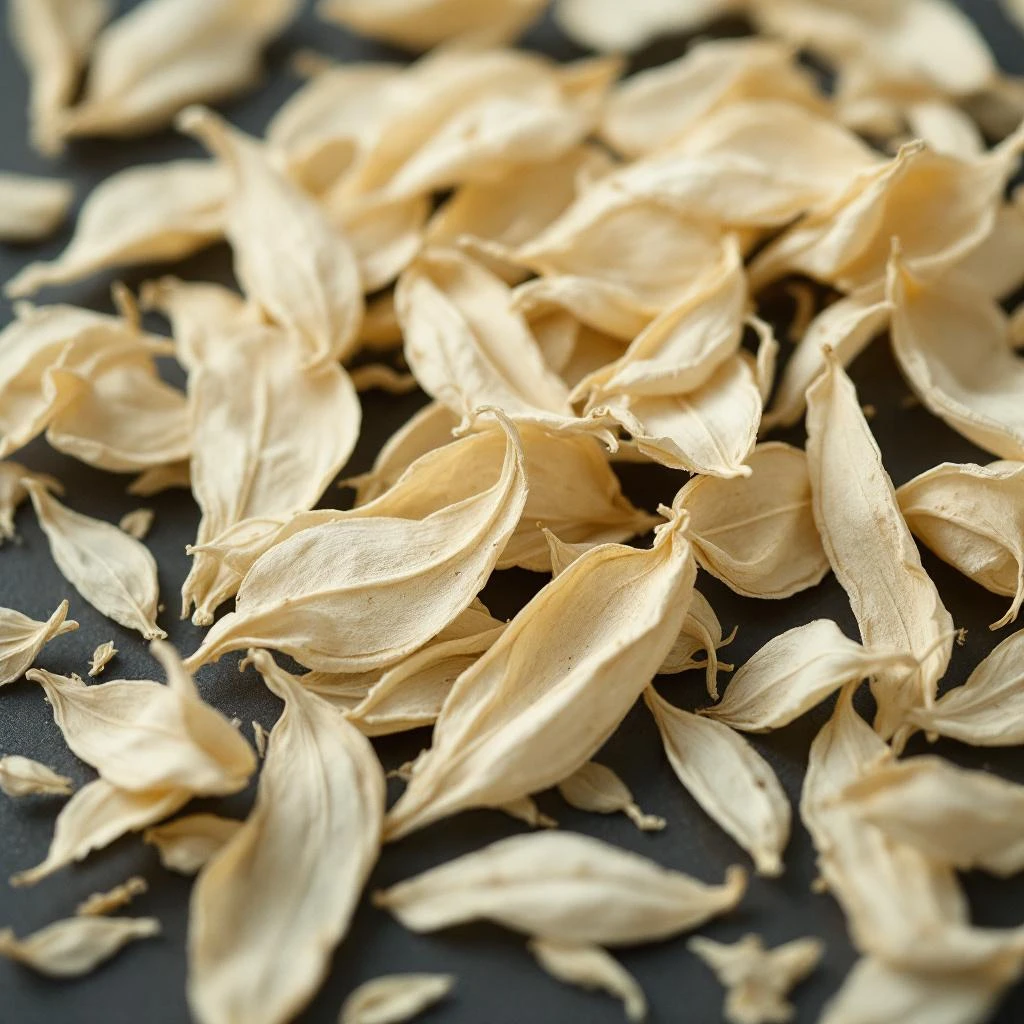
Muscone
Muscone is the primary aromatic compound in natural musk, once extracted from the musk deer's glands at great ethical cost. Today, synthetic muscone delivers the same warm, skin-like signature that perfumers have prized for millennia.
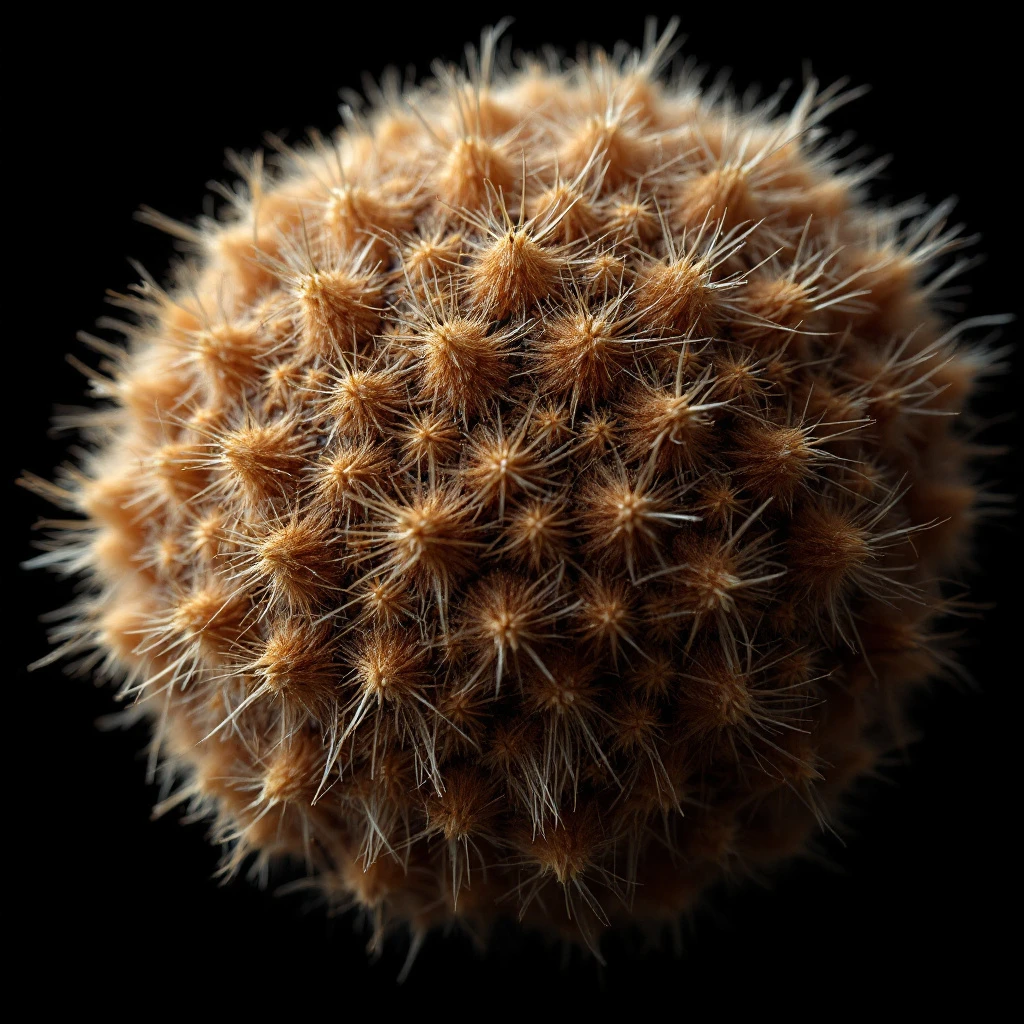
Character
How it smells
The molecule that made animal cruelty optional in perfumery.
A single musk deer yielded only about 25 grams of natural musk, making it more expensive than gold in 19th century European trade.

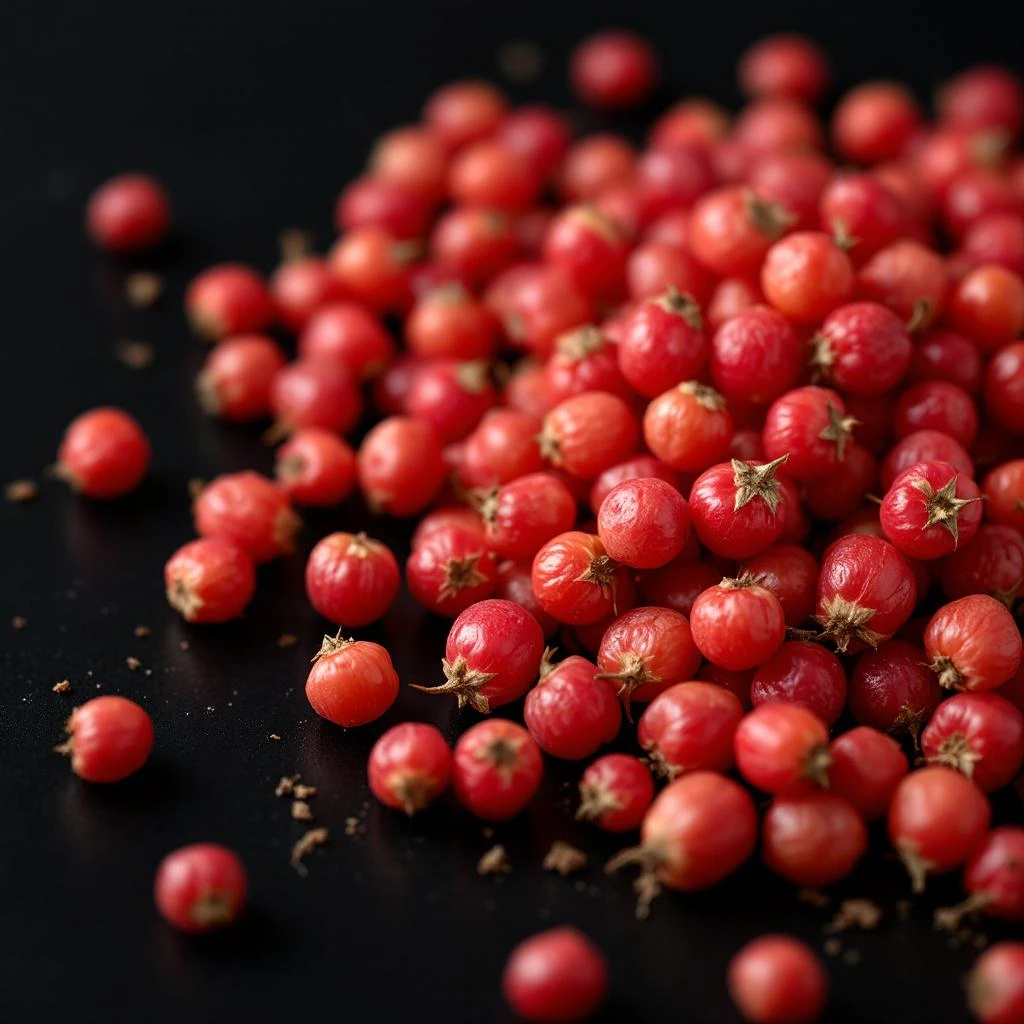


Origin
Switzerland
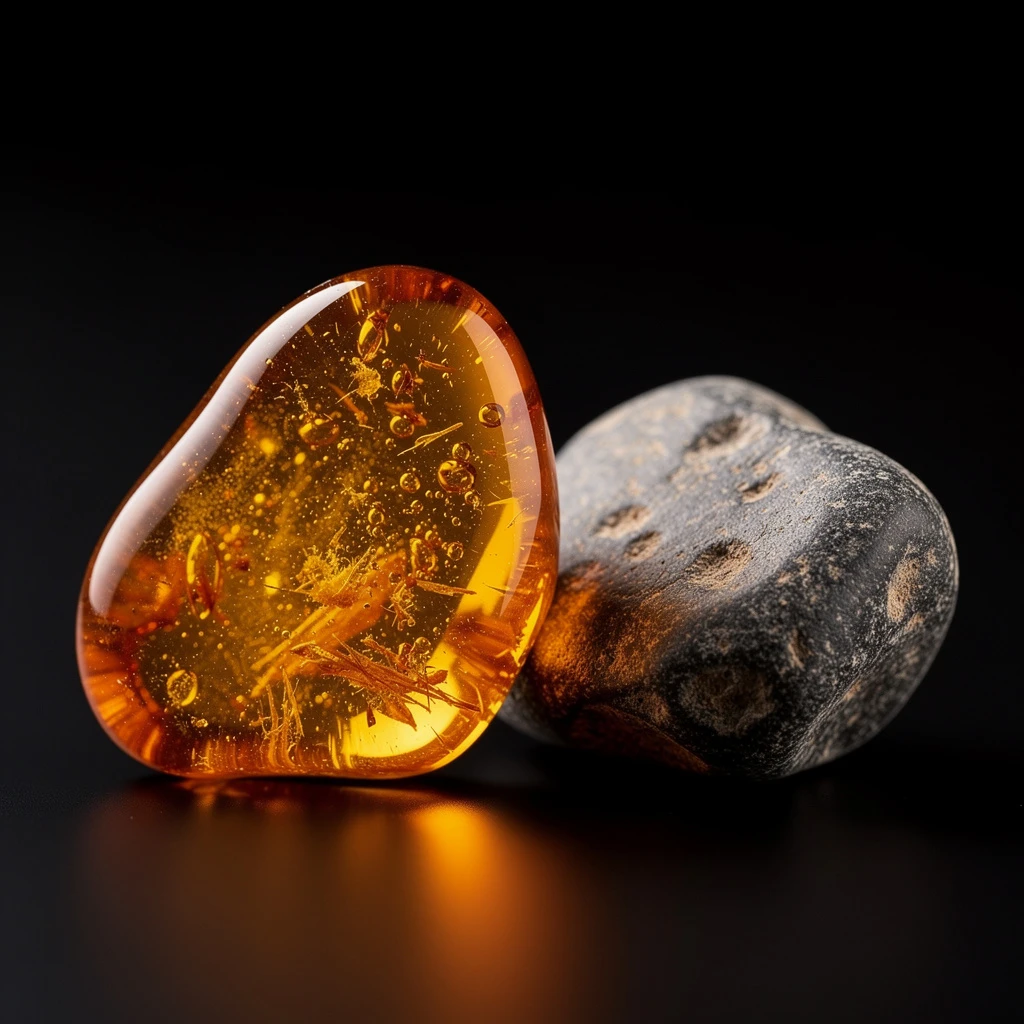
Natural musk entered Western perfumery through trade routes connecting the Himalayas to ancient Greece, where Alexander the Great's forces documented its use around 330 BCE. For over two thousand years, perfumers prized musk deer secretions for their unmatched staying power and intimate warmth on skin. The trade was always fragile: one musk deer yielded roughly 25 grams of crude material, driving prices beyond the reach of most applications.
By the 1880s, collapsing populations and rising ethical awareness prompted the search for alternatives. In 1926, Lavoslav Ružička at Firmenich became the first to synthesize a macrocyclic musk compound, earning a Nobel Prize for his work. It still took another 60 years for biotechnology to enable commercial-scale production of ingredients like muscone.
The industry never looked back, replacing an endangered animal product with a molecule now found in nearly every fragrance worn today.
Wears it best
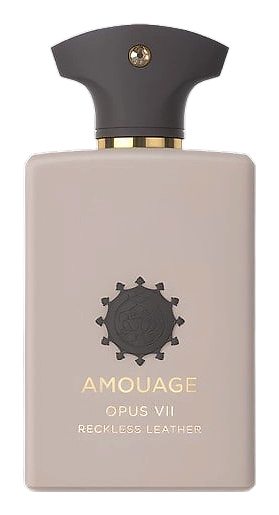
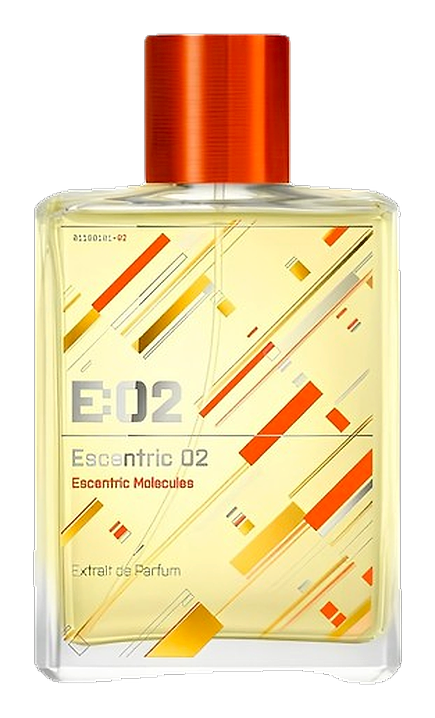
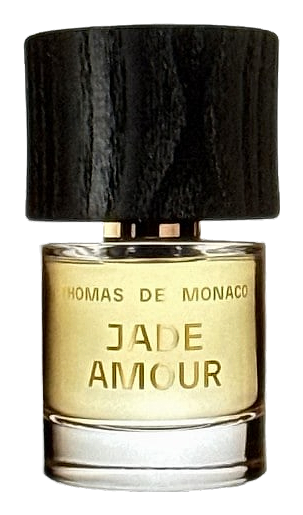
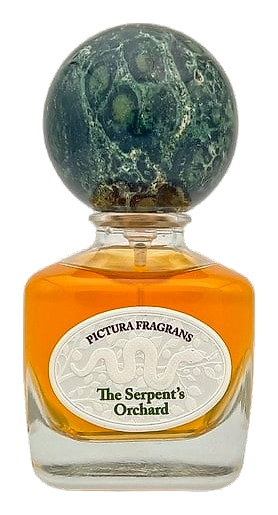
Fragrances featuring Muscone
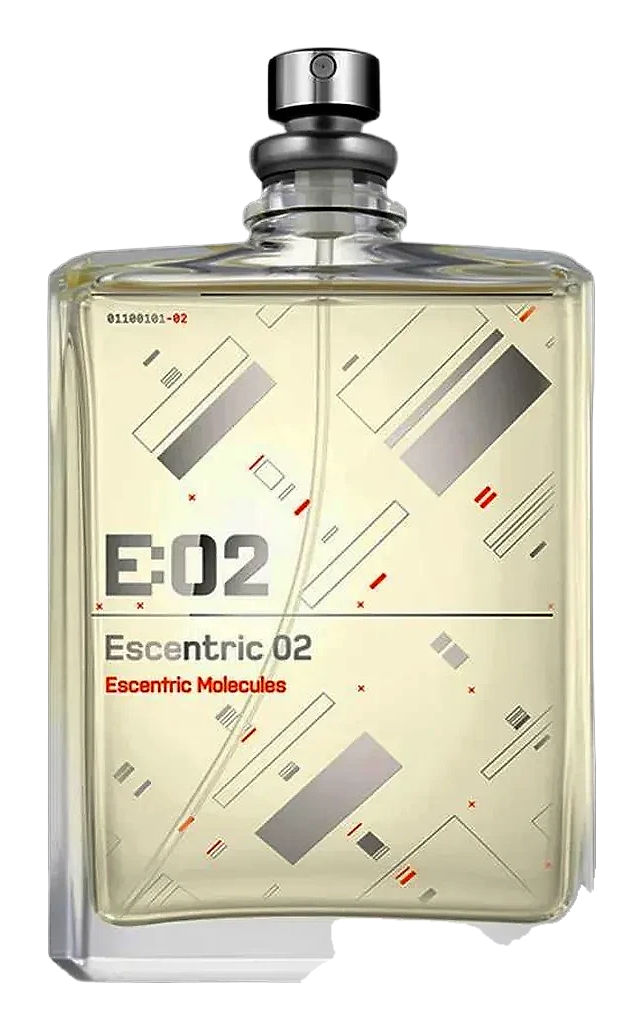
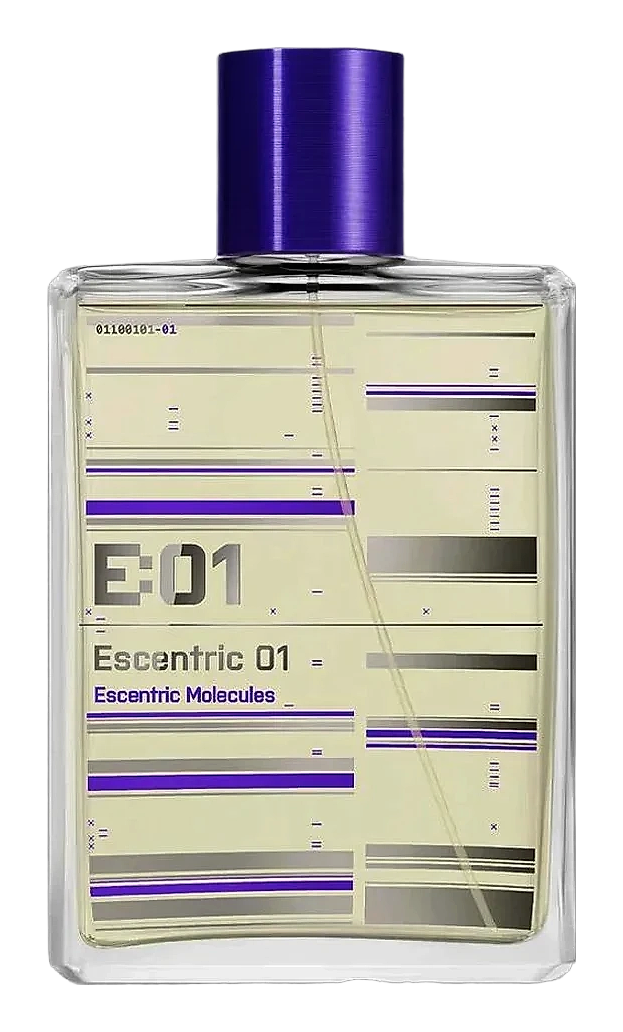
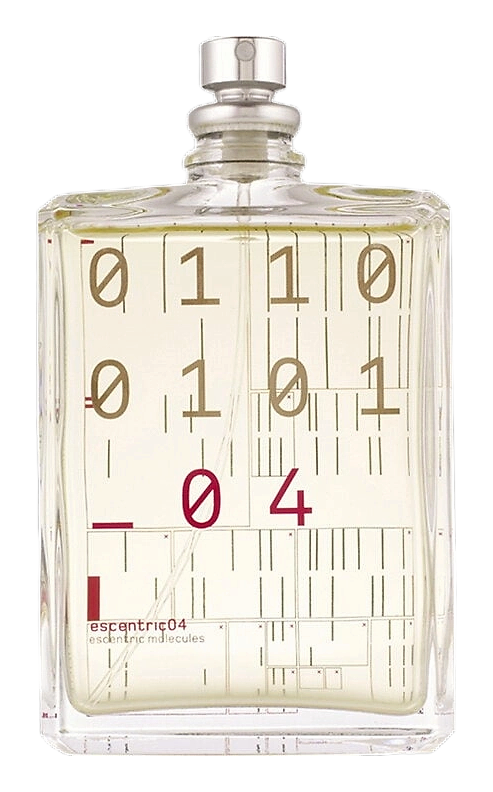
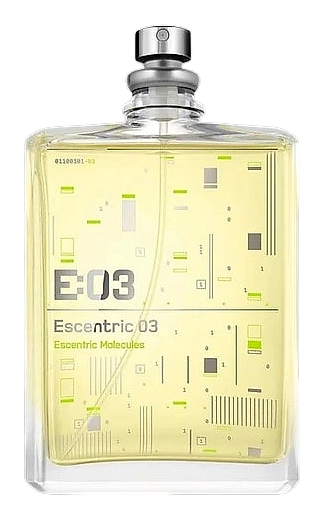
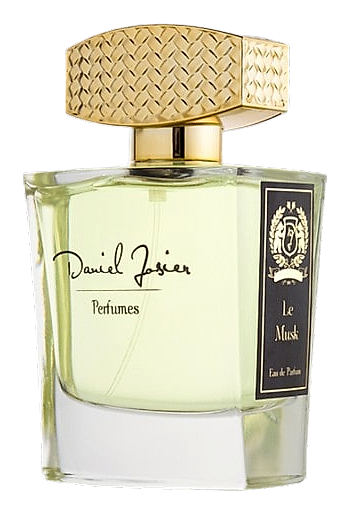
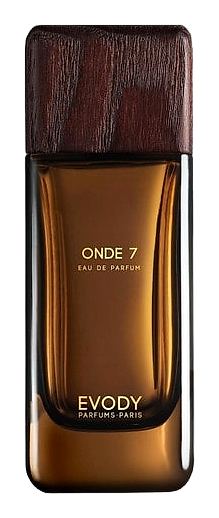
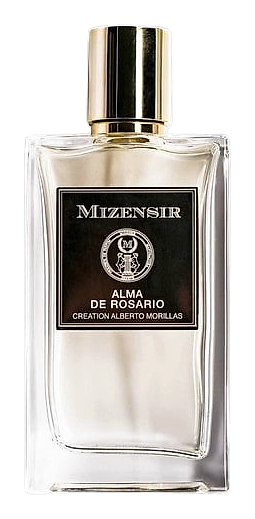
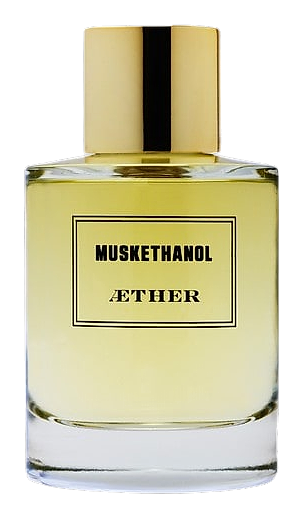
Brands
Brands known for Muscone
Good to know
Questions, answered
The essentials on Muscone in perfumery: how it smells, where it comes from, and how it behaves on skin.
What is muscone and why is it important in perfumery?
Muscone is the primary aromatic macrocyclic ketone in natural musk. It provides warm, skin-like depth and exceptional staying power, making it one of the most widely used base notes in modern fragrances.
Is muscone derived from animals?
No. Muscone used in commercial perfumery today is entirely synthetic. The musk deer population declined sharply in the 20th century, prompting the fragrance industry to develop chemical synthesis routes that replicate muscone's structure without animal involvement.
When did synthetic muscone become available?
The first synthetic macrocyclic musk was created in 1926 by Lavoslav Ružička at Firmenich, who later won a Nobel Prize. Commercial-scale production using modern biotech methods arrived roughly 60 years later.
What does muscone smell like?
Muscone registers as warm, creamy, and skin-close with a subtly sweet undertone. It projects softly at first but develops into a long-lasting base that binds other ingredients together in a fragrance composition.
Which fragrance families use muscone most?
Muscone appears across white musk, oriental, floral, and woody compositions. It is especially prevalent in modern "clean" fragrance lines where its skin-like warmth substitutes for heavier animal notes.
Is synthetic muscone safe for skin use?
Yes. IFRA regulations govern muscone usage in consumer products. It has been evaluated extensively for dermal safety and is approved for use across fine fragrances, cosmetics, and household care formulations.
Why did perfumers stop using natural musk?
One musk deer produced roughly 25 grams of crude musk, making natural supply erratic and prohibitively expensive. Ethical concerns about trapping practices and declining wildlife populations accelerated the industry's shift to synthetic alternatives.
What is the difference between muscone and other synthetic musks?
Muscone is a macrocyclic musk, which means its molecular structure contains a closed ring of 15 carbon atoms. This gives it superior fixative properties and a more natural, creamy character compared to earlier nitro-musk compounds.