The Story
Why it exists.
The beginning
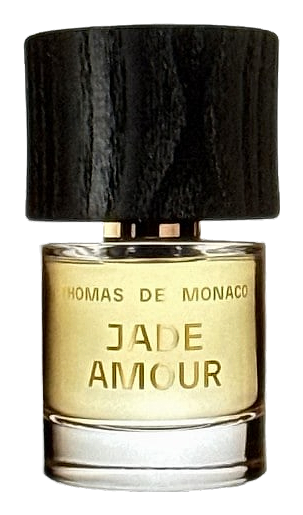
Jade Amour began with a question Thomas de Monaco kept returning to: what would a scentless flower smell like if it finally found its voice? Not a metaphor for petals and stems, something literal. A flower that evolved to emit fragrance as a form of survival, of being noticed. David Chieze took that concept and translated it into something wearable, something that feels both inevitable and quietly surprising. The result is a fragrance about becoming visible on your own terms, not loud, not desperate, just present in a way that wasn't there before.
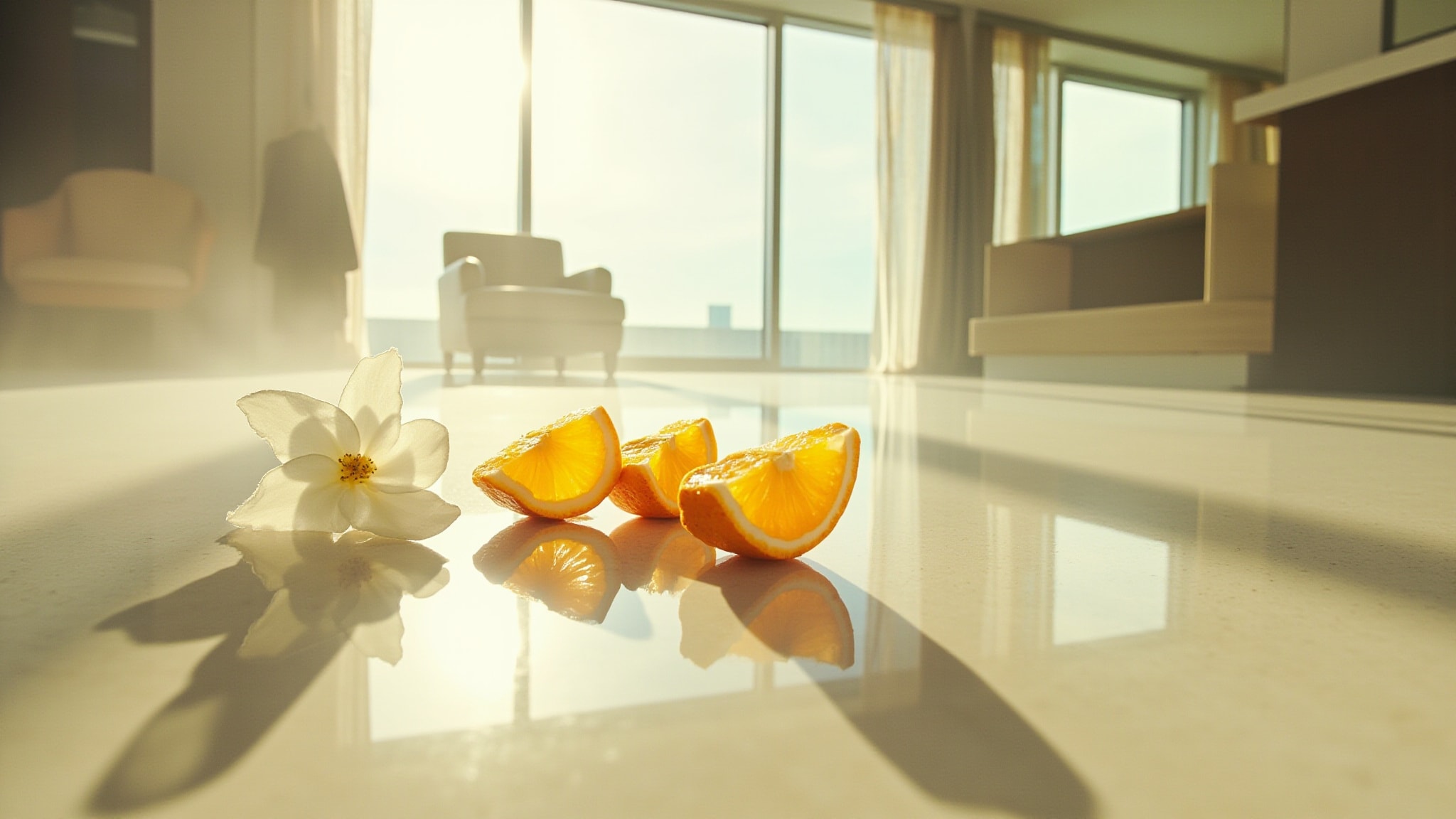
What makes Jade Amour work is the way its materials don't compete, they collaborate. Yellow mandarin opens bright and citrus-forward, but it doesn't stay. The jasmine and ylang-ylang arrive creamy and honeyed, not sharp or indolic, carrying a warmth that feels sunlit rather than heady. Vanilla and sandalwood anchor everything without dragging it down, while vetiver adds a quiet mineral undertone that keeps the florals grounded. The jade vine itself, the conceptual core, doesn't appear as a note so much as a presence: a flower that finally had something to say and said it without apology.
The evolution
The opening is immediate. Yellow mandarin and bergamot arrive together, clean and almost sparkling, with a subtle muscone undertone that hints at something warmer underneath. Within minutes the florals take over, jasmine first, then ylang-ylang, their creamy honeyed quality building in waves. The transition isn't abrupt; it's a slow unfurling, like watching a flower open in time-lapse. By the second hour the vanilla and sandalwood are prominent, creating a warm, skin-close drydown that lingers without projecting. The vetiver threads through the entire composition, adding an earthy depth that prevents the florals from ever becoming too sweet. Six to eight hours later, what remains is a soft creaminess, the memory of the flower, not the flower itself.
Cultural impact
Jade Amour draws its conceptual foundation from the jade vine, an extremely rare flowering plant native to the rainforests of the Philippines. Once thought extinct, the scarlet-flowered climbing vine was rediscovered in the 1970s and remains one of botany's most coveted specimens, grown in only a handful of botanical gardens worldwide. Thomas de Monaco's choice to reference this elusive bloom translates into a fragrance that embodies the idea of a hidden beauty making itself known. The Flowers for Future collection frames fragrance as a form of visibility for things that exist outside conventional attention.