
The Story
Why it exists.
The beginning
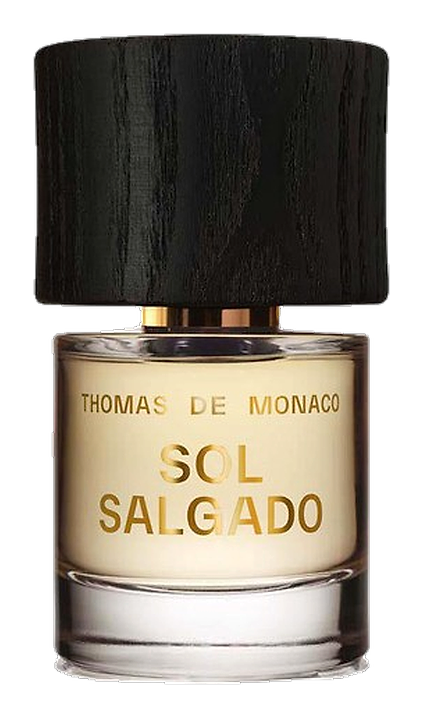
Sol Salgado was born from a single question: what does the last hour of sunlight smell like? Not a beach scene, not a resort memory, the specific, unhurried quality of light tilting gold over warm skin. Thomas de Monaco, whose fragrance philosophy centers on translating light into scent, brought this concept to Maurus Bachmann at the Zurich laboratory. The brief was simple: make it feel like the magic hour. Not look like it, not reference it, actually feel like that moment when the world goes amber and the air turns mineral-sweet before the night arrives. Bachmann built the composition around yellow florals not because they're traditionally warm, but because they carry the sun's weight differently than white florals or citruses. They are inherently golden. The salt and ambergris arrived to do what they always do when they're done right: make skin smell like skin, only better.
What makes Sol Salgado work is the tension between warm and cool. The yellow florals, linden blossom, mimosa absolute, cotton flower accord, carry the sun's warmth in an almost literal way; they smell like light itself, like the glow before dusk. But the heart is maritime: salt and ambergris are the cool counterpoint, that mineral edge that turns skin into something remembered. Bachmann doesn't resolve the tension, he lets both sides breathe. The heliotrope in the middle does the quiet work of making them meet, powdery and sweet, bridging warmth and salt without forcing the marriage.
The evolution
The opening arrives bright and warm, but not loud. Cotton flower and linden blossom give it an airy, sunlit quality, the smell of skin that's been warm all day. The mimosa adds depth, a honeyed richness that keeps it from reading as light or fleeting. Within the first hour, the salt begins to surface. It doesn't overtake the florals, it slides underneath them, adding a mineral coolness that shifts the warmth into something more complex. The heliotrope arrives next, powdery and sweet, and the whole composition enters its longest, quietest phase: warm florals held up by cool salt, the two sides in conversation for hours. The drydown doesn't arrive dramatically. Smoked vanilla and sandalwood settle into the warmth that's already there, adding cream without sweetness, wood without sharpness. The musk keeps it close to skin, intimate rather than announced. By hour eight, it's a skin-moment: the warmth of someone who was just in the light, not someone announcing they were.
Cultural impact
Sol Salgado occupies a specific space in contemporary niche perfumery: the quiet luxury of an idea fully executed. The combination of yellow florals with salt and ambergris positions it alongside compositions that treat the skin-sea connection as a sensory subject rather than a novelty. Wearers describe it as the fragrance of someone who walks into a room and doesn't need to announce themselves, the unhurried quality that's become the brand's signature across its Extraits Uniques collection.