The Story
Why it exists.
The beginning
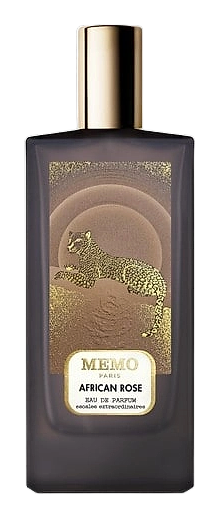
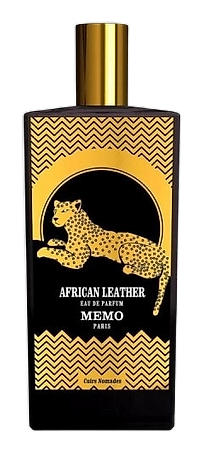
African Leather arrived in 2015 as part of Memo Paris's Cuirs Nomades collection, a line built around leather in all its forms. The brief was simple: take the African continent as a starting point, translate its heat and grit into liquid form. Aliénor Massenet built the composition around a leather accord that serves as the olfactory spine. Warm, animalic, intimate. Not the glove-leather of a Parisian boutique but something wilder, the kind that lingers in memory long after you've left.
What makes African Leather unusual is how the geranium absolute behaves. South Africa is where it first grew in the wild, and this Egyptian iteration carries a floral, aromatic, green character that doesn't soften the opening, it complicates it. Adds a cool edge beneath the saffron's metallic warmth. Guatemalan cardamom brings green, fruity, almost-candied accents on top. The two create a bright, almost sparkling top that the leather hasn't earned yet. That restraint is the point. The leather arrives later, and when it does, you've been waiting for it.
The evolution
The drydown is where African Leather becomes itself. The opening is all cardamom and pink pepper, fruity-bright, metallic-warm. Saffron adds a leathery, almost-animalic edge from the start. But the geranium arrives next, green and aromatic, and for a moment the composition tempers itself. Then the heart arrives: patchouli and cinnamon, warm and resinous. Rose tries to soften the whole thing. It doesn't fully succeed. The leather surfaces in the drydown, animalic, close, intimate. Not polished. Not refined. The oud and amber underneath create a smoky, warm base that stays close to the skin for hours. There's a persistence to the base that rewards patience, with the leather and oud creating a lingering presence that feels intimately connected to the wearer.
Cultural impact
African Leather has earned a place in the Cuirs Nomades collection as a bold, unapologetic leather fragrance. The scent opens with an intense cardamom-spice combination that immediately sets it apart from more restrained leather offerings. As it develops, the animalic depth of the drydown reveals a complexity that speaks to those who appreciate leather in its most honest form. It's become a signature for anyone who wants leather that doesn't whisper.