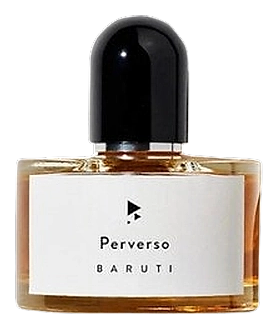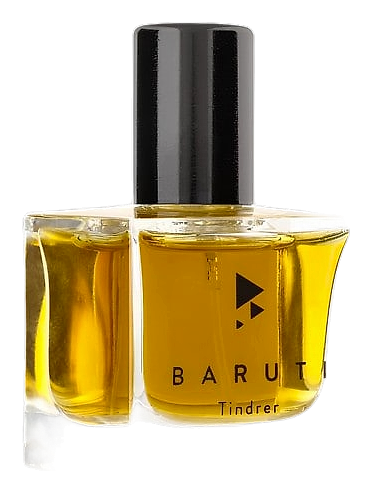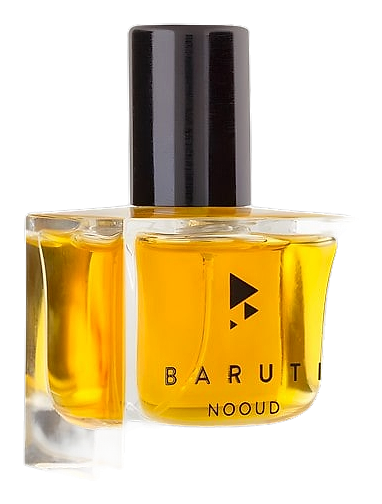

The Story
Why it exists.
The beginning
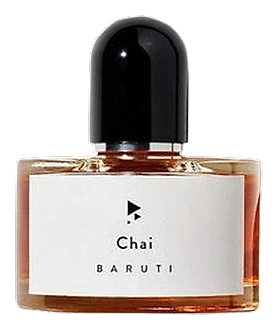
Chai is a tribute to the masala drink, a blend so personal it changes by household, mood, and memory. For Baruti founder Spyros Drosopoulos, it became an olfactory question to solve. The drink promised warmth and comfort. His answer went somewhere stranger and more satisfying. Drosopoulos left neuroscience for perfume, building Baruti in a small Rotterdam lab. He writes every formula by hand, testing how each material interacts with the next. Chai was one of those first public releases in 2015. The brief was simple: translate the feeling of that perfect cup into something wearable, layer by layer, without becoming a food gimmick.
Masala chai as a concept is already complex, a drink that shifts by region, family, and how long it's been brewing. The perfumer's job was to find the thread that holds it all together. Here it's the black tea base anchoring everything, dark and slightly bitter. Around it, the spice cluster does its work: cinnamon and cardamom lead, cloves follow, ginger flickers underneath, and black pepper keeps it alert. The lactonic milk accord is what makes it work on skin. Without it, the spices would read hot and disjointed. With it, the whole thing breathes. The vanilla softens the edges. The leather and musk at the base do what baruti does, ground the warmth in something dry and lasting.
The evolution
Two hours in, the dry cocoa has faded. What remains is the masala. Not a beverage anymore, just the warmth, the spice, the milk. On different skin, the leather arrives at different times. Sometimes it's there at the four-hour mark, sitting quiet under the musk. Sometimes it takes longer. Either way, the milk-spice heart holds longest, it doesn't fragment or thin out. It dissolves slowly. Eight to ten hours is normal for this one. Moderate sillage means you're the warmest thing in the room without filling it. The next morning, faint traces of tea and musk on fabric. Clean, and still warm.
Cultural impact
Chai by Baruti occupies a specific cultural moment in niche perfumery, the post-gourmand era when spice and warmth moved away from sugar-bomb territory toward something more restrained and narrative-driven. Released in 2015 alongside Berlin im Winter, the fragrance arrived during a wave of indie houses exploring warm, comfort-oriented scents that didn't rely on excessive sweetness. The name itself points to a specific ritual: the preparation and sharing of spiced tea across South and Southeast Asian cultures, a practice tied to hospitality, morning routine, and afternoon breaks.