
The Story
Why it exists.
The beginning
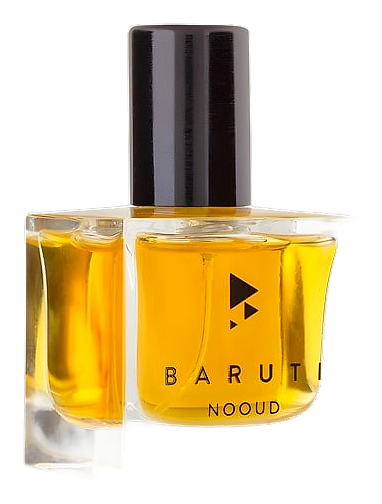
NOOUD began with a question Spyros Drosopoulos couldn't stop asking: what if you could smell oud without the oud? He understood that scent is pattern recognition, the brain responding to specific molecular structures, not to the ingredient itself. The real material carries baggage alongside its beauty: that sharp animalic edge some find jarring. Drosopoulos wanted the essence stripped of the complications. The brief was simple on paper, challenging in execution: build oud from the ground up using synthetic and woody materials, capture what burning Bukhour actually smells like rather than what it's supposed to smell like. Through extensive formulation work in the Rotterdam lab, endless iterations, until the formula stopped pretending and started telling the truth.
What makes NOOUD chemically interesting is its honesty about being synthetic. The smoky, slightly tar-like quality of burning incense is the target, not a pleasant approximation of the real material. This shifts the fragrance from 'dupe' territory into something more conceptual: it's not oud pretending to be real, it's oud as an idea, translated into a new language. The woody notes don't soften this, they sharpen it, adding structure where natural oud might go soft and buttery. The result is darker, more angular, more interesting than most things carrying the oud name.
The evolution
First contact is smoke. Not sweet smoke, not the gourmand warmth of smoldering resin, something mineral and slightly acrid, like embers after rain. It sits heavy for the first twenty minutes, asserting itself without apology. Then the texture shifts. The harsh edges round off as the woody base materials begin to speak, revealing a warmth that was always underneath, held back by the smoke's initial dominance. By hour two, the drydown settles into something resinous and close to skin, present but not aggressive, the kind of sillage that someone standing beside you will notice before you announce yourself. At hours six through eight, there's a quiet woodiness that lingers like the memory of incense in an empty room. It doesn't disappear; it fades into the background of your skin, becoming part of the conversation rather than the whole discussion.
Cultural impact
NOOUD occupies an unusual position: it's a conceptual piece within a niche house that rarely chases trends. For wearers who appreciate the science of scent, who understand that what we smell is molecular behavior rather than ingredient origin, this represents a particular kind of satisfaction. It's perfume as proof of concept: proof that you can understand what oud actually smells like at the molecular level and build something worth wearing from that knowledge alone.
The House
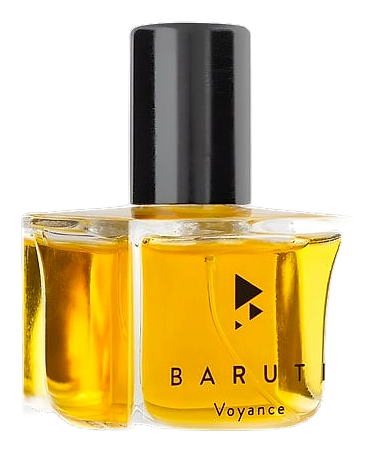
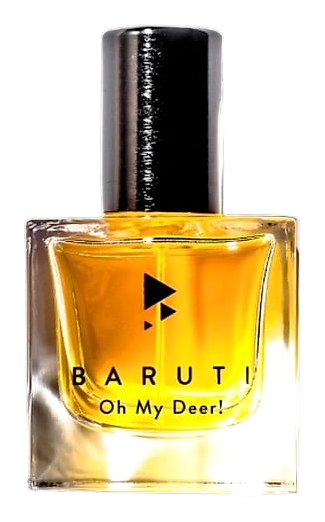
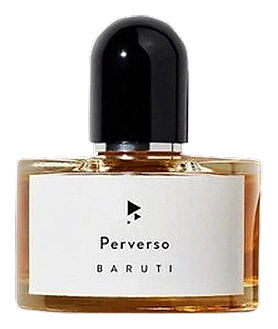
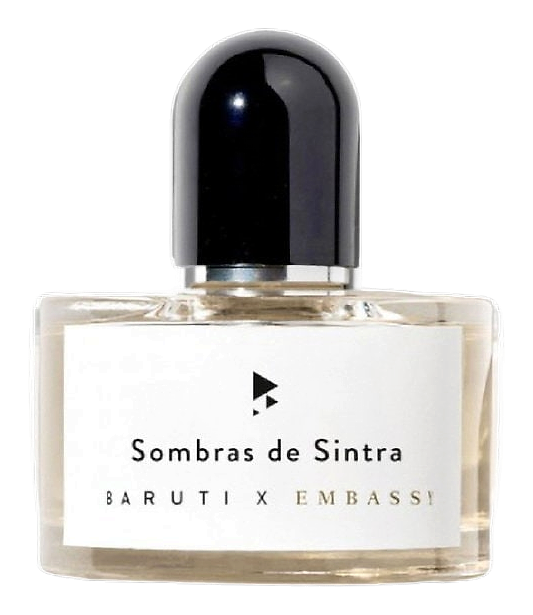
BarutiBaruti is a Dutch niche perfume house that builds each scent in a small Rotterdam lab. Founder Spyros Drosopoulos, a former neuroscientist turned self‑taught perfumer, writes every formula himself and blends the mixtures by hand. The brand releases both personal fragrances and ambient scents, aiming for compositions that feel unexpected yet familiar. Baruti’s catalogue includes early releases such as Chai (2015) and Berlin Im Winter (2015) and more recent offerings like Laurakimou! (2024) and Sombras de Sintra (2025). The house positions itself as a laboratory for olfactory ideas rather than a commercial label, and it maintains a modest online presence that highlights the creative process.
The Creator
Spyros DrosopoulosSpyros favors a hands‑on approach, blending natural extracts with synthetics to achieve balance and depth. He builds his compositions layer by layer, letting a base of woods and resins anchor brighter spices or floral bursts.