
    Brand Profile

    Baruti is a Dutch niche perfume house that builds each scent in a small Rotterdam lab. Founder Spyros Drosopoulos, a former neuroscientist t…More

    Netherlands·Est. 2015·Site

    3.8

    Rating

    Just Landed

    New Arrivals

    The latest additions to the Baruti collection.

    14
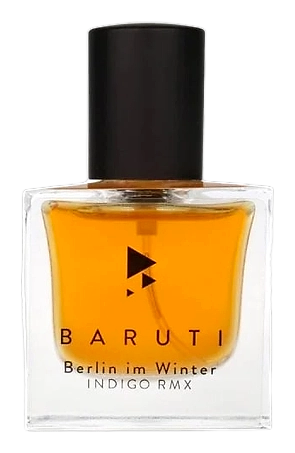
    Berlin Im Winter by Baruti – Extrait
    3.8

    Berlin Im Winter

    Extrait

    Laurakimou! by Baruti
    Best Seller
    4.2

    Laurakimou!

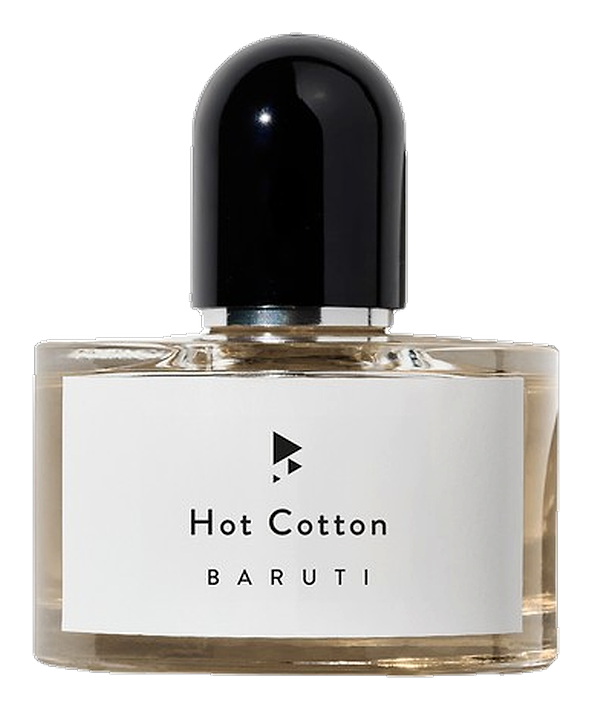
    Hot Cotton by Baruti
    Best Seller
    4.1

    Hot Cotton

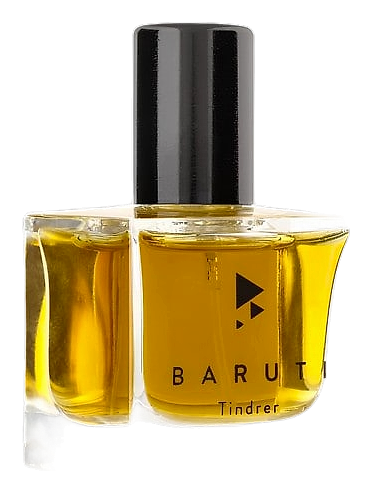
    Tindrer by Baruti
    Best Seller
    4.0

    Tindrer

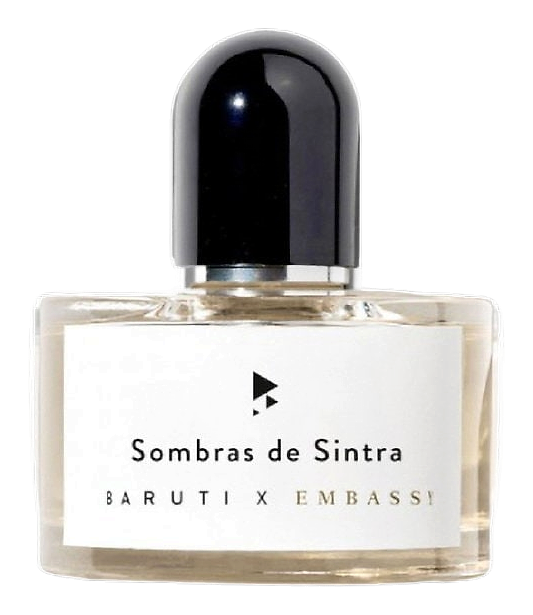
    Sombras de Sintra by Baruti
    New
    4.0

    Sombras de Sintra

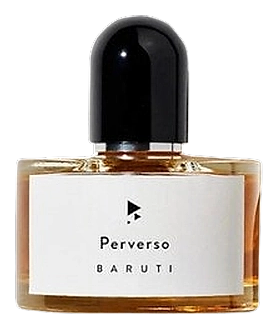
    Perverso by Baruti
    3.9

    Perverso

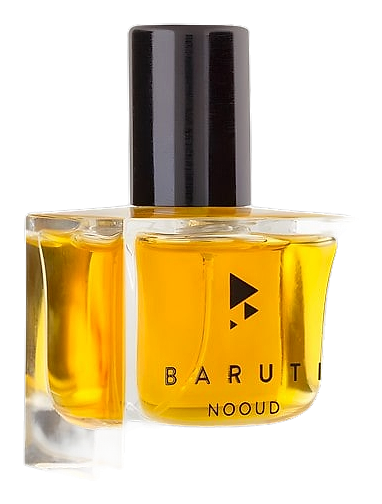
    NOOUD by Baruti
    3.8

    NOOUD

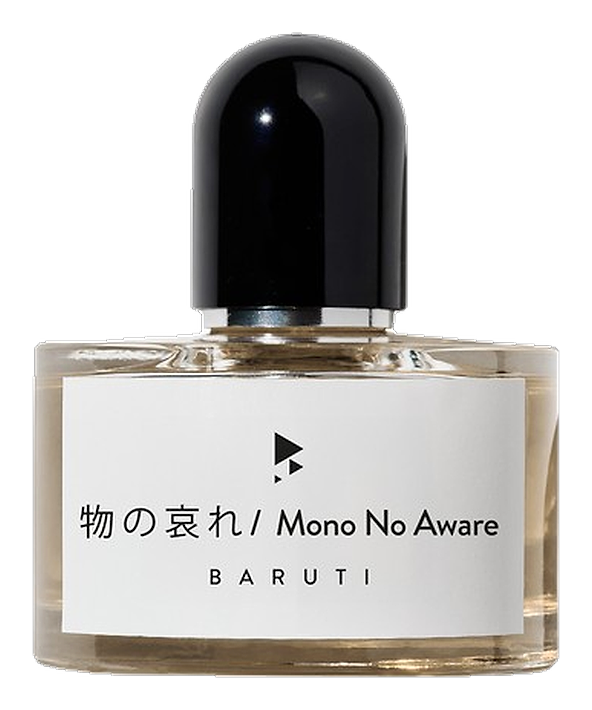
    Mono No Aware by Baruti
    3.8

    Mono No Aware

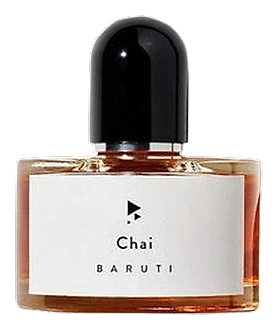
    Chai by Baruti
    3.8

    Chai

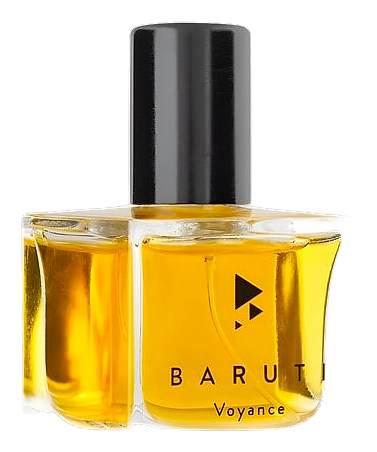
    Voyance by Baruti
    3.7

    Voyance

    Dama Koupa by Baruti
    3.7

    Dama Koupa

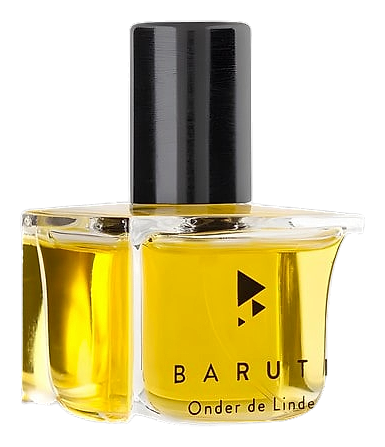
    Onder de Linde (Melkmeisje) by Baruti
    3.6

    Onder de Linde (Melkmeisje)

    1 of 2

    The Heritage

    The Story of Baruti

    Baruti is a Dutch niche perfume house that builds each scent in a small Rotterdam lab. Founder Spyros Drosopoulos, a former neuroscientist turned self‑taught perfumer, writes every formula himself and blends the mixtures by hand. The brand releases both personal fragrances and ambient scents, aiming for compositions that feel unexpected yet familiar. Baruti’s catalogue includes early releases such as Chai (2015) and Berlin Im Winter (2015) and more recent offerings like Laurakimou! (2024) and Sombras de Sintra (2025). The house positions itself as a laboratory for olfactory ideas rather than a commercial label, and it maintains a modest online presence that highlights the creative process.

    Heritage

    Baruti began in 2015 when Spyros Drosopoulos left a career in neuroscience to pursue perfume making. Drosopoulos founded the label in Amsterdam, but soon moved production to a labatelier in Rotterdam where he could control every step of the creation process. The first public releases – Chai and Berlin Im Winter – arrived later that year and introduced a sensibility that mixed scientific curiosity with artistic storytelling. In 2016 Baruti launched NOOUD, a scent that quickly became a reference point for the house’s willingness to explore woody and resinous territories. The same year the brand added Tindrer to its lineup, expanding its narrative palette. By 2019, Baruti introduced Perverso, a fragrance that sparked conversation about gender norms in scent marketing, a theme the house would revisit in later collections. The 2020s saw a steady output of experimental releases: Hot Cotton and Laurakimou! appeared in 2024, while Sombras de Sintra arrived in 2025, each reinforcing the brand’s commitment to handcrafted, story‑driven perfume. Throughout its evolution, Baruti has kept production in‑house, refusing to outsource blending or bottling, a decision that reinforces its identity as a laboratory rather than a mass‑market label. The house’s growth has been documented by independent fragrance blogs, YouTube reviewers, and niche perfume databases, confirming its steady presence in the European niche market.

    Craftsmanship

    Every Baruti fragrance originates in the Rotterdam labatelier, where Drosopoulos writes the formula on paper before measuring each component by hand. The blending process uses both natural extracts and high‑quality synthetics, allowing the perfumer to achieve textures that pure naturals could not provide. Because Drosopoulos trained as a neuroscientist, he applies a systematic approach to testing: he evaluates how each ingredient interacts with the olfactory receptors and records the perceived changes over time. After the initial blend, the mixture rests for a period of maturation, during which the perfumer revisits the scent to fine‑tune balance. Once the final version is approved, the perfume is poured into glass bottles that the house sources from a local supplier. Quality control includes a sensory panel composed of the founder and a small group of trusted colleagues who assess consistency across batches. Baruti produces in limited quantities, which enables close monitoring of each batch’s stability and scent profile. The brand’s website confirms that all production steps remain in‑house, from weighing raw materials to bottling, reinforcing the claim of handcrafted quality. While the house does not publish detailed ingredient lists, independent reviewers have noted the presence of both rare natural notes and modern synthetic accords, suggesting a balanced approach to sourcing.

    Design Language

    Baruti’s visual identity mirrors its minimalist laboratory ethos. The brand’s logo features a clean, sans‑serif typeface that appears on white or muted‑gray backgrounds, reinforcing a sense of clinical precision. Bottles are simple cylinders or rectangular flasks with clear glass, allowing the colour of the perfume to become the focal point. Caps are often brushed metal or matte black, providing a subtle contrast without ornate decoration. On Instagram, the house presents its products against neutral backdrops, accompanied by short captions that reference the scent’s narrative inspiration. The colour palette across marketing materials leans toward earth tones and soft pastels, echoing the natural and synthetic balance within the fragrances themselves. Typography on the website remains straightforward, with ample white space that lets the scent descriptions breathe. This restrained aesthetic signals to the consumer that the emphasis lies on the olfactory experience rather than visual excess.

    Philosophy

    Baruti’s stated mission is to create distinct perfumes and ambient fragrances that intrigue, move and inspire people. The philosophy rests on three pillars: curiosity, craftsmanship and inclusivity. Drosopoulos draws on his neuroscience background to question how scent triggers memory and emotion, then translates those questions into olfactory experiments. The brand avoids gendered marketing, presenting each scent as a personal experience rather than a masculine or feminine offering. Baruti also emphasizes transparency; the founder frequently shares the story behind each name, linking the scent to a place, a myth or a scientific concept. This narrative approach encourages wearers to engage with the perfume as a story rather than a mere accessory. Sustainability is mentioned in passing, with the house preferring ingredients that can be sourced responsibly, though detailed certifications are not publicly listed. Overall, Baruti positions itself as a small laboratory where each bottle reflects a deliberate creative decision rather than a trend‑driven product.

    Key Milestones

    2015

    Baruti founded by Spyros Drosopoulos in Amsterdam; first releases Chai and Berlin Im Winter launched

    2016

    Production moved to Rotterdam labatelier; NOOUD and Tindrer added to the collection

    2019

    Perverso released, sparking discussion about gender‑neutral fragrance marketing

    2024

    Laurakimou! and Hot Cotton introduced, expanding the brand’s experimental line

    2025

    Sombras de Sintra launched, continuing the focus on story‑driven scent creation

    At a Glance

    Brand profile snapshot

    Origin

    Netherlands

    Founded

    2015

    Heritage

    11

    Years active

    Collection

    1

    Fragrances released

    Avg Rating

    3.8

    Community sentiment

    Release Rhythm

    2025
    1
    2024
    3
    2022
    1
    2019
    1
    2016
    3
    2015
    5
    barutiperfumes.com

    Did You Know?

    Interesting Facts

    Distinctive details and defining moments that shape the house personality.

    01

    Founder Spyros Drosopoulos trained as a neuroscientist before becoming a perfumer, a background he cites as influencing his approach to scent perception.

    02

    Baruti blends every fragrance by hand in a Rotterdam lab, a practice that limits batch size but ensures close quality control.

    03

    The brand’s Instagram account, @barutiperfumes, has grown to over 11,000 followers, reflecting a niche community of scent enthusiasts.

    04

    Baruti deliberately avoids gendered marketing, presenting each perfume as a personal narrative rather than a masculine or feminine product.

    The Artisans

    The Perfumers