










The Heritage
The Story of Mona di Orio
Maison Mona di Orio emerged from a meeting between a classically trained French perfumer and a Dutch designer united by their passion for art and artisanal craft. Founded in Amsterdam in 2004, the house built its reputation on fragrances that bridge the golden heritage of 1920s and 1930s perfumery with a distinctly modern sensibility. Each scent plays with contrasts: light and shadow, sparkle and depth, the ephemeral and the enduring. The untimely passing of founder Mona di Orio in 2011 left a significant void, yet her vision continues through her partner Jeroen Oude Sogtoen and in-house perfumer Fredrik Dalman.
Heritage
Mona di Orio began her perfumery education at 17, when she met and apprenticed under Edmond Roudnitska, the legendary creator of Diorissimo and L'Eau d'Issey. For six years, she trained not only in raw materials and composition but received what she described as a comprehensive cultural education encompassing classical music. This intensive period shaped her understanding of fragrance as a form of composition, one that unfolds over time like a musical score. Following her work with Roudnitska, Mona encountered Serge Lutens in Grasse, where she drew further inspiration from his approach to fragrance as artistic expression. Additional influences came from the worlds of gastronomy and viticulture, experiences that deepened her sensitivity to how flavors and aromas interact. The pivotal moment came in 2004 when she partnered with Jeroen Oude Sogtoen, a Dutch designer whose career had moved from fashion through interior design to hospitality. While working on a hotel project, Sogtoen had launched Hotel Cosmetics, which brought him into contact with di Orio. Their shared love of art and craft became the foundation for the perfume house. That same year, they launched the first three fragrances: Lux, Carnation, and Nuit Noire. The house operated from Amsterdam, with production maintained in France. Mona's death in December 2011 at age 42 left the house at a crossroads. Sogtoen assumed leadership, and in-house perfumer Fredrik Dalman, who had trained under Bertrand Duchaufour and studied at the Grasse Institute of Perfumery, took over creation duties. The brand continued releasing new work, including Dõjima in 2017, until announcing its closure under Sogtoen's creative direction.
Craftsmanship
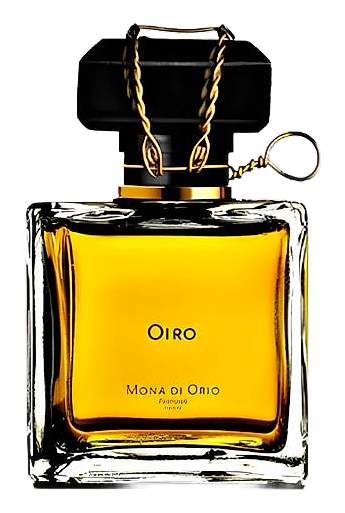
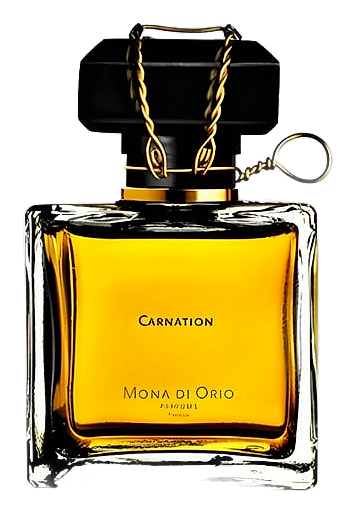
All Mona di Orio fragrances have been manufactured in France, a choice that reflects the house's commitment to maintaining production standards aligned with classical perfumery practices. The company producing the scents traces its origins to the era when di Orio's mentor Edmond Roudnitska worked, lending continuity to the lineage of craft. Materials are selected with an emphasis on quality and authenticity. The house does not explicitly detail supplier relationships, but the finished products consistently receive praise for the quality and depth of their raw materials, particularly in the base notes that define the dry-down. The finishing details of each bottle reflect the house's values. Each fragrance closes with a modified champagne cork (muselet) sourced from the Champagne house Jacquesson, a deliberate choice to express di Orio's attachment to this producer and her belief that opening a bottle should be treated as a unique, celebratory moment. This detail communicates the brand's positioning of fragrance as something worthy of occasion and ritual rather than casual consumption. Creation under Dalman continues this hands-on approach, with materials chosen for how they interact across the fragrance's lifespan rather than simply how they smell in isolation. The brand has remained relatively small and exclusive, avoiding the wider distribution that might dilute the artisanal character di Orio established.
Design Language
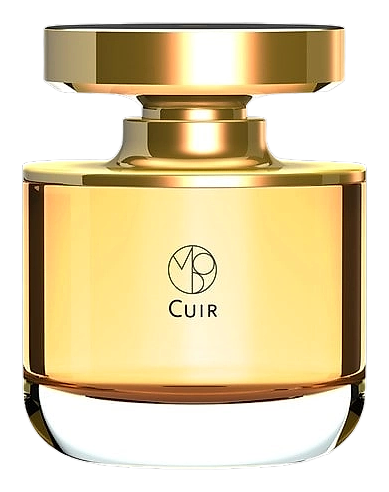
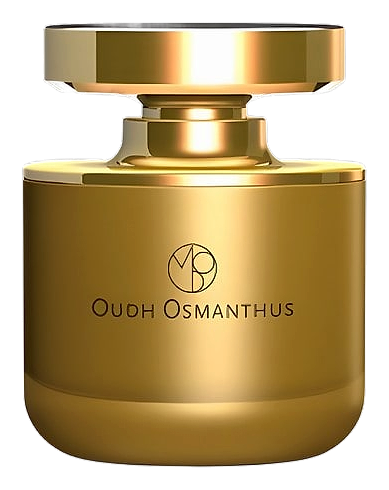
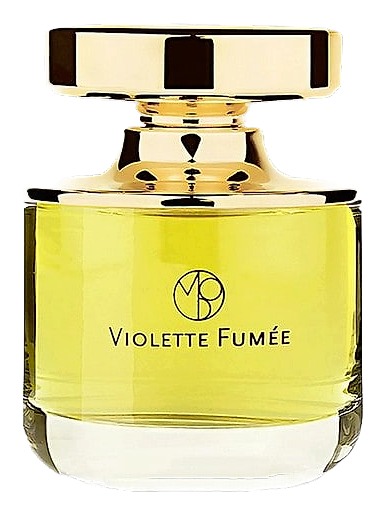
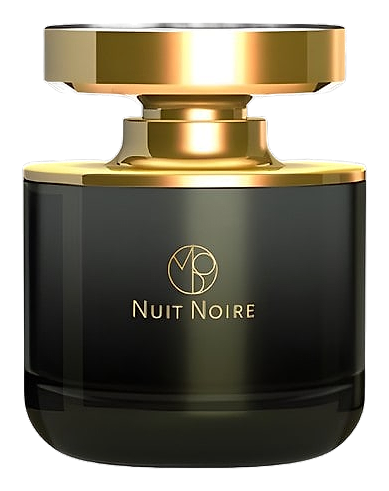
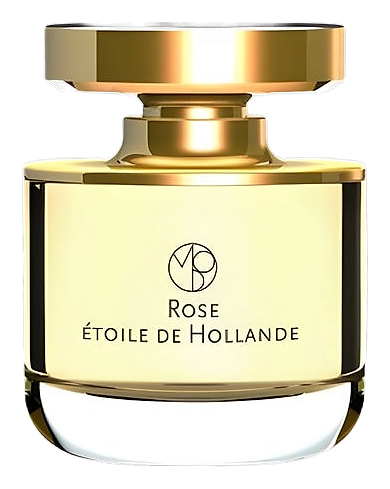
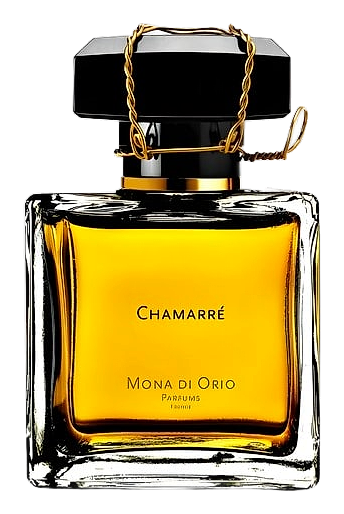
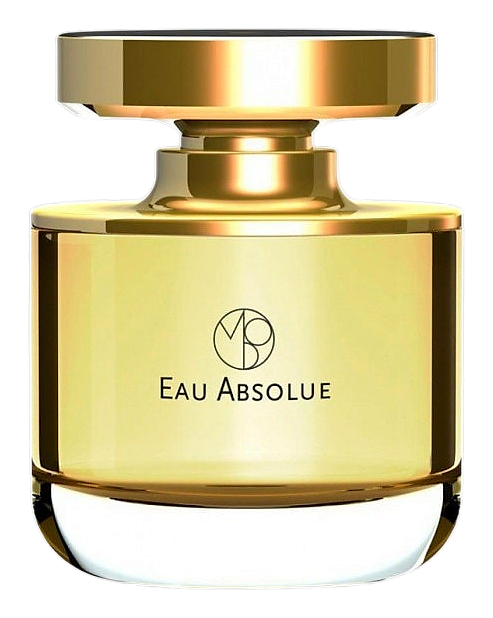
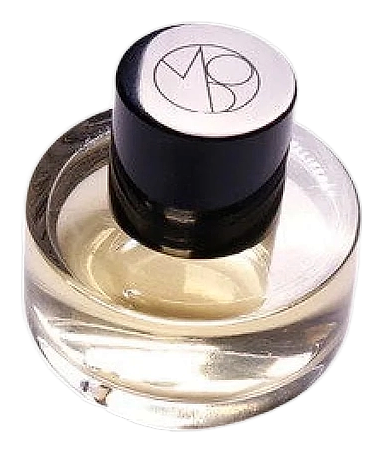
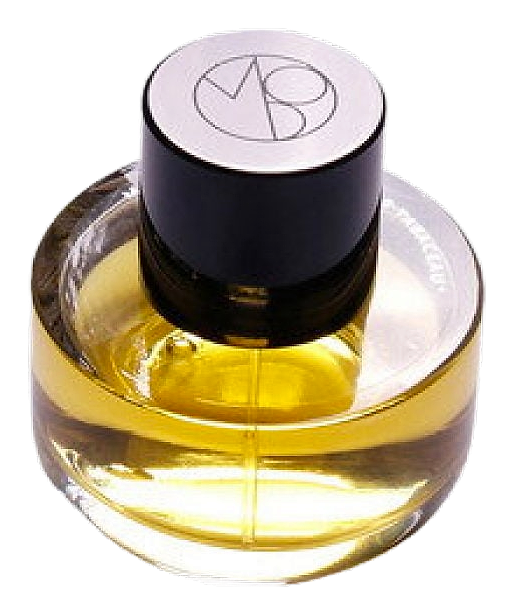
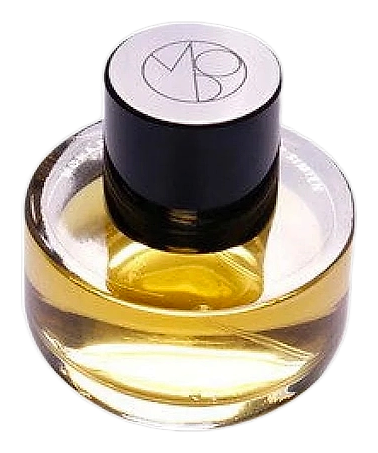
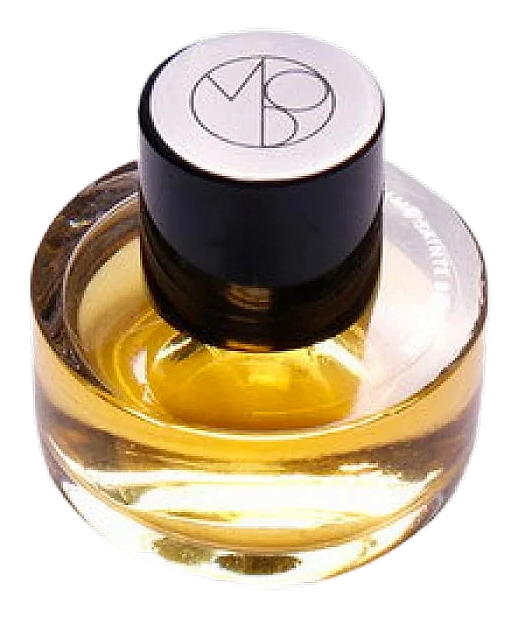
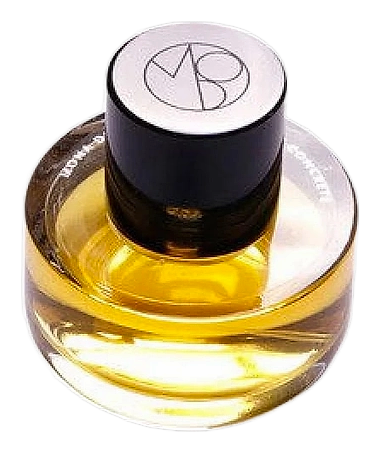
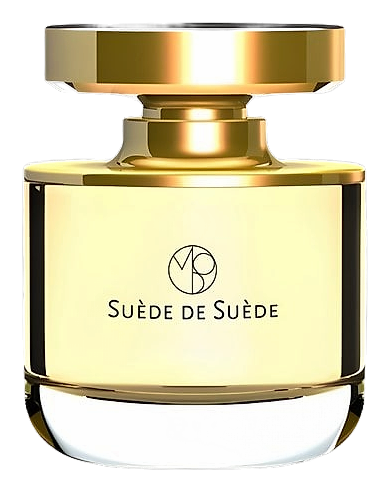
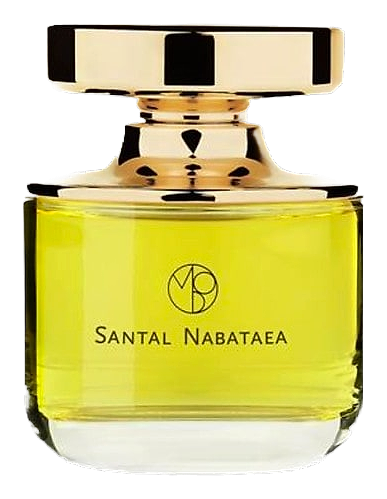
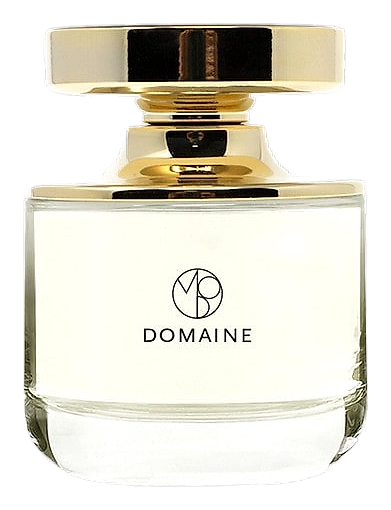
The visual identity of Mona di Orio draws from the art world that both founders inhabited. Packaging favors clean, minimal forms with an emphasis on material quality rather than flashy graphics. The bottles themselves are understated, designed to communicate sophistication through proportion and finish rather than ornamental excess. This restrained approach aligns with the brand's broader aesthetic philosophy. Rather than presenting fragrance as a lifestyle accessory, the house frames its creations as objects of genuine craft, comparable to art pieces or artisanal goods made with specific expertise and intention. The Amsterdam base reinforced this orientation, placing the brand within a European context that values restraint and quality. The naming conventions support this positioning. Fragrances like Dõjima reference specific cultural and historical moments, inviting wearers into a narrative dimension beyond simple smell description. This approach treats each scent as a story to be experienced, consistent with di Orio's compositional philosophy of fragrance as something that unfolds.
Philosophy
The house positioned itself as a defender of unconventional perfume traditions, specifically those that recall the richness and complexity of early 20th-century fragrance craftsmanship. Rather than chasing trends, di Orio approached creation as a composer might approach a symphony, building scents that develop through distinct phases rather than remaining static. Central to the philosophy was the interplay between light and dark. Di Orio frequently juxtaposed sparkling, ethereal top notes against sensual, dramatic base materials, creating fragrances that shift and reveal themselves differently over the course of wear. This technique requires careful calibration of materials and an understanding of how each element will perform over time on skin. After her death, this philosophy persisted through Dalman's work. He describes being influenced by texture, color, temperature, and light, concepts he considers possible to translate into fragrance. The house maintained that each creation should touch the heart deeply and achieve a form of perfection in its construction. The brand's stance remained consistent: deeply respectful of perfumery's heritage while refusing to simply replicate the past, instead using tradition as a springboard for work that feels both rooted and alive.
Key Milestones
1969
Mona di Orio born in France
1986
At age 17, begins apprenticeship under Edmond Roudnitska
1992
Leaves Roudnitska after six years, meets Serge Lutens in Grasse, draws inspiration from gastronomy and viticulture
2004
Founding year: Mona di Orio partners with Jeroen Oude Sogtoen to launch the house; releases first three fragrances Lux, Carnation, and Nuit Noire
2011
Mona di Orio passes away unexpectedly in December at age 42; partner Jeroen Oude Sogtoen assumes leadership with perfumer Fredrik Dalman continuing creation
2017
Release of Dõjima, the first fragrance composed entirely by in-house perfumer Fredrik Dalman
At a Glance
Brand profile snapshot
Origin
Netherlands
Founded
2004
Heritage
22
Years active
Avg Rating
4.3
Community sentiment