


Heritage
A house, in its own words
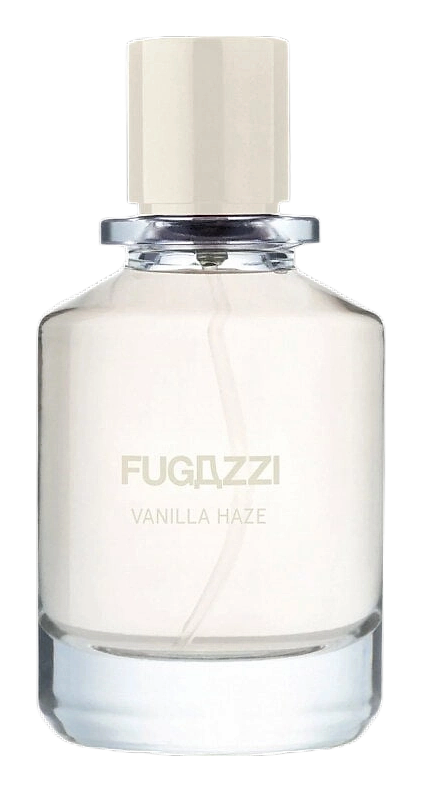
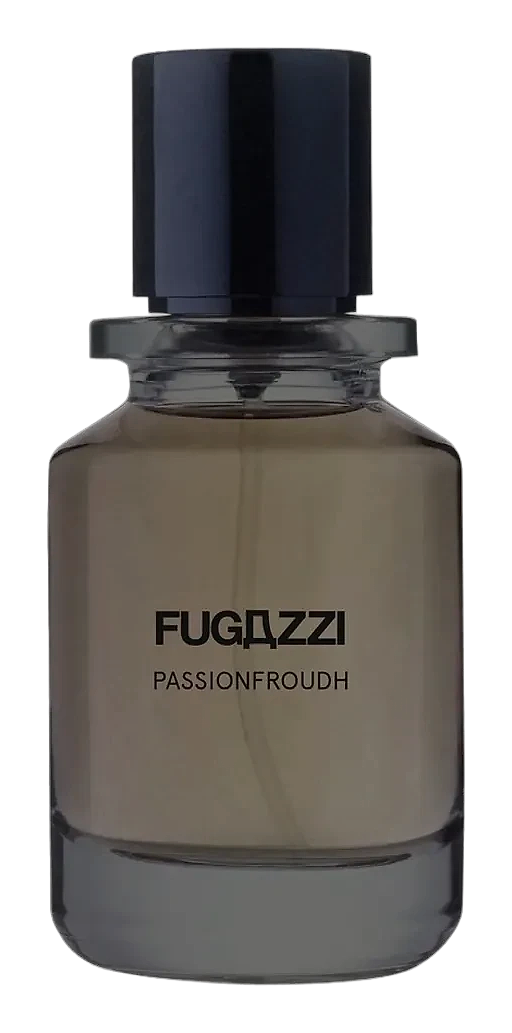
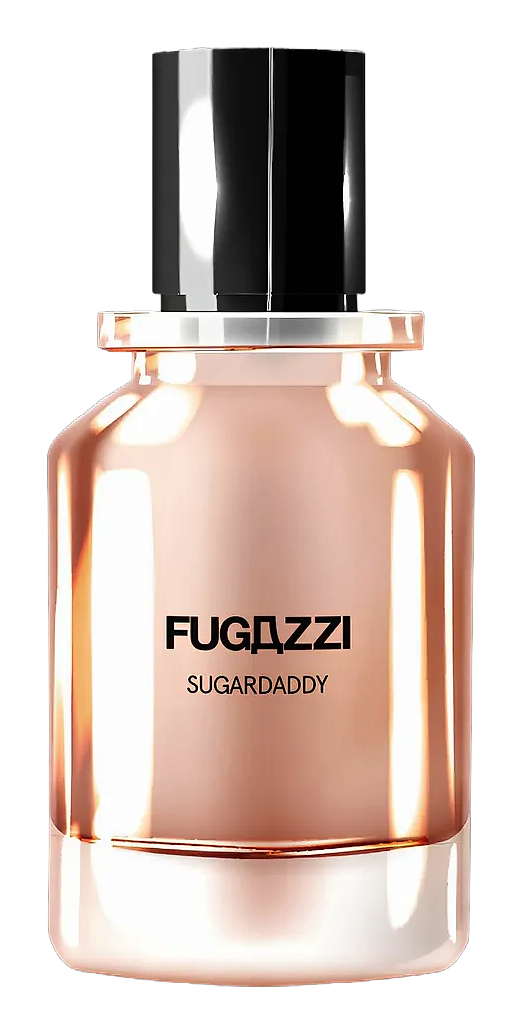
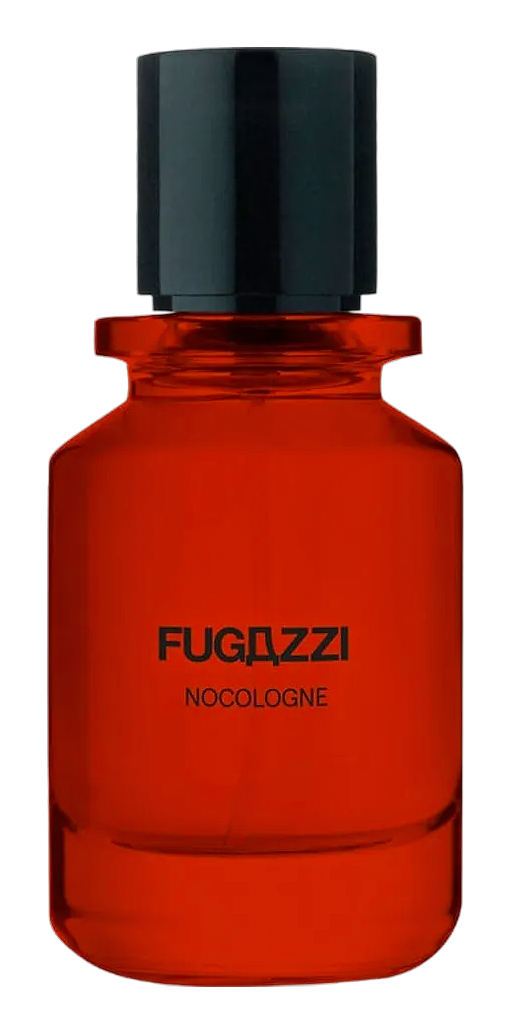
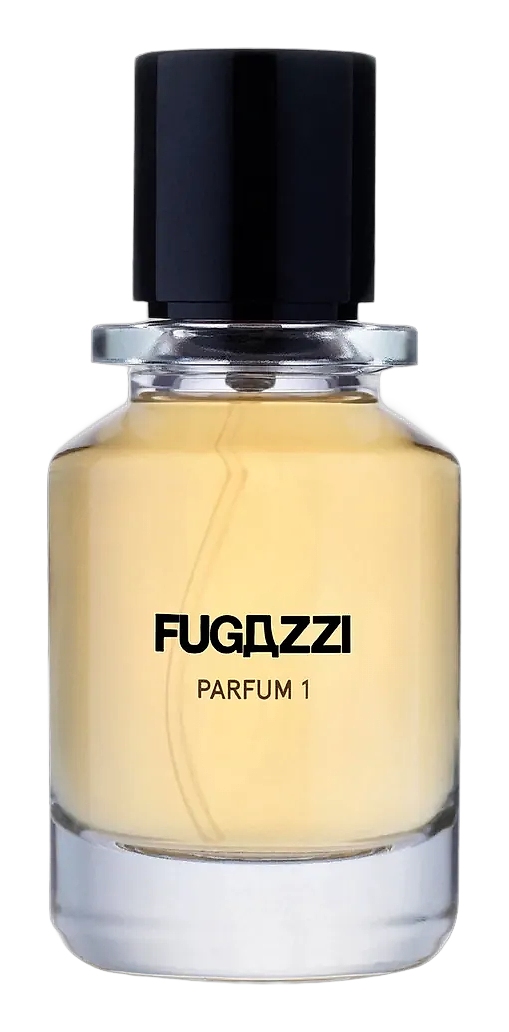
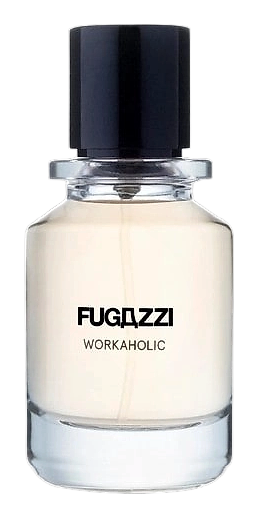
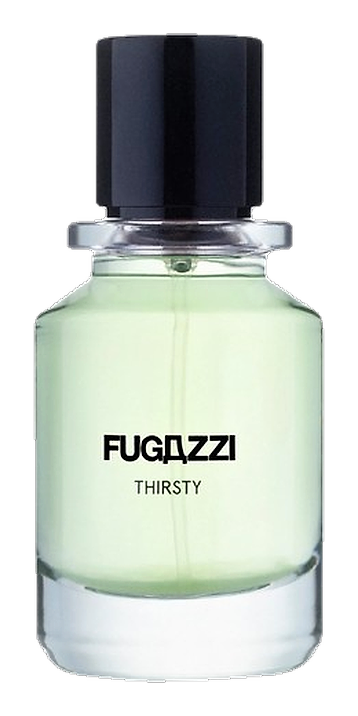
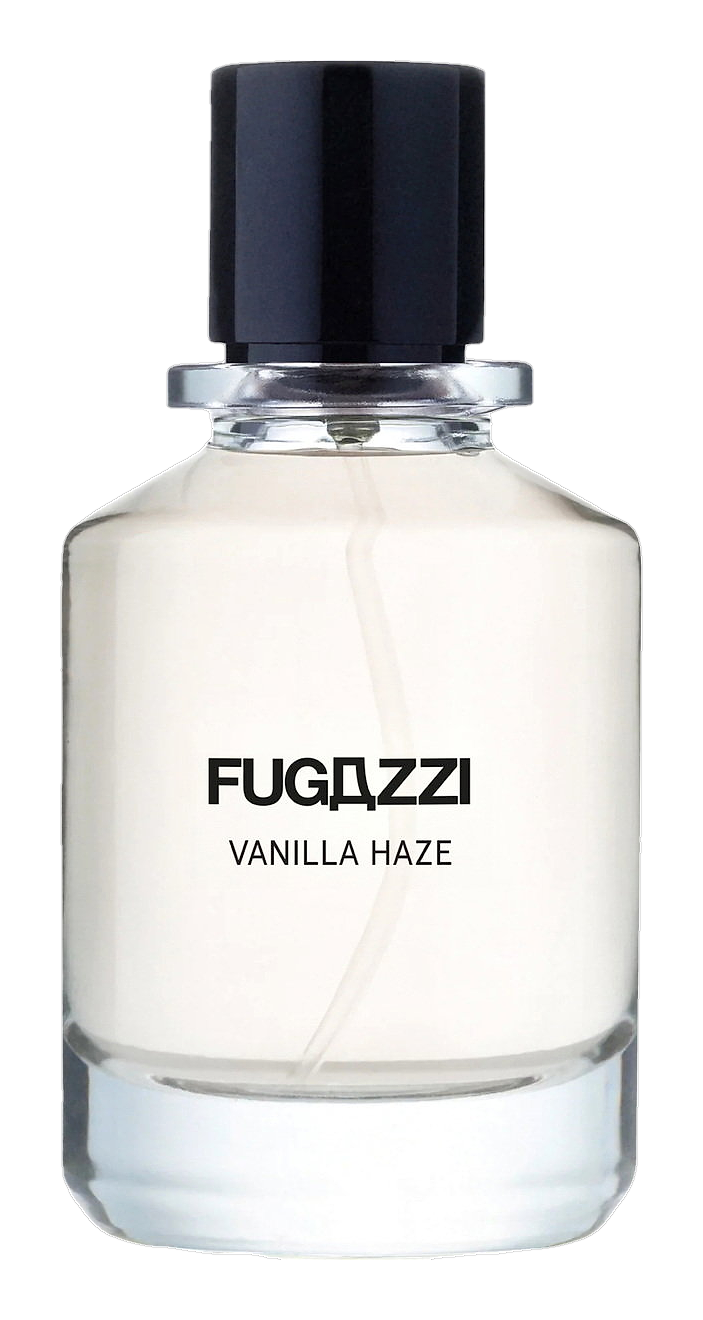
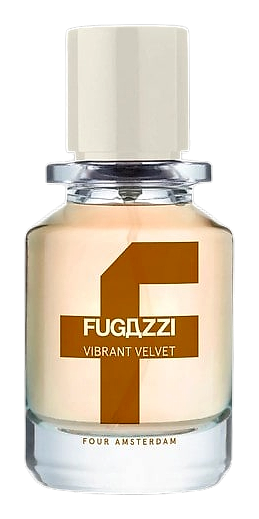
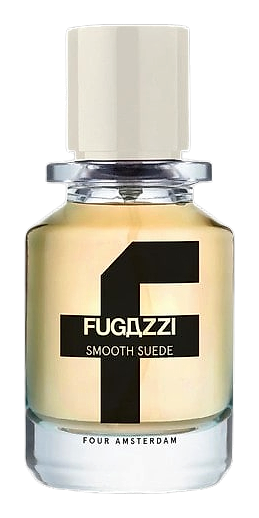
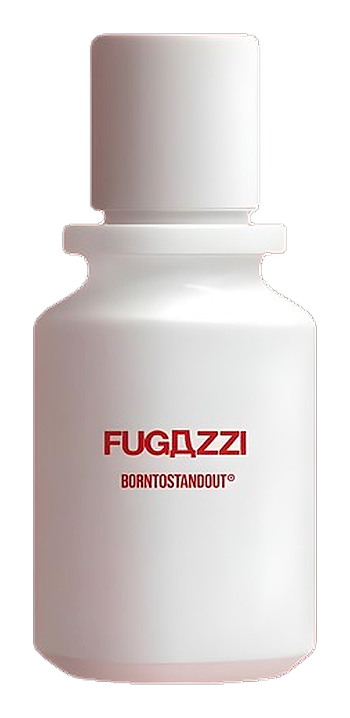
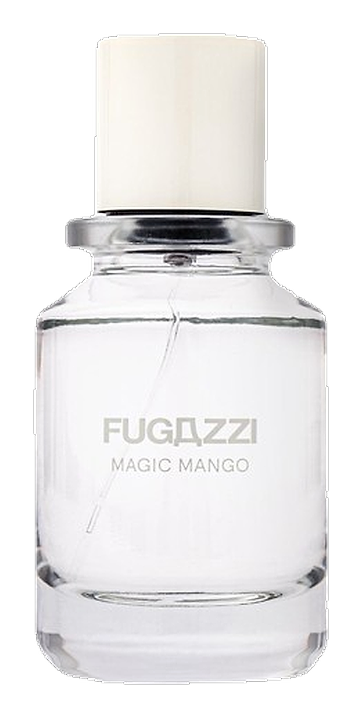
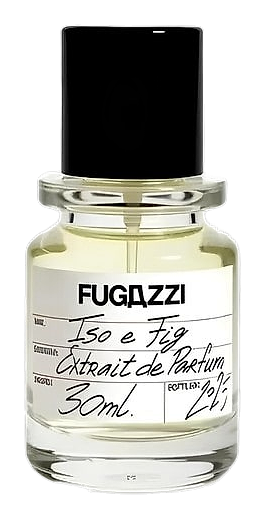
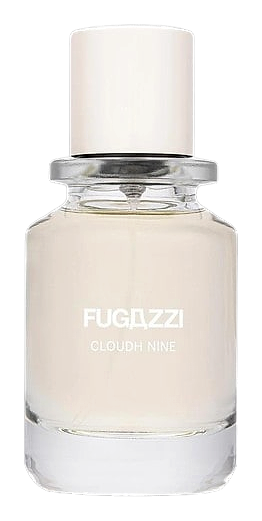
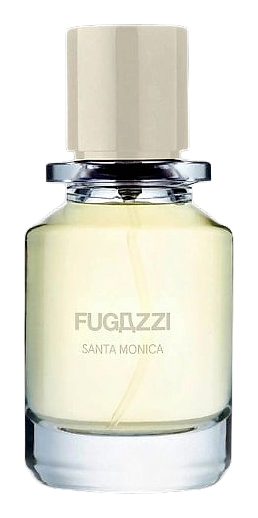
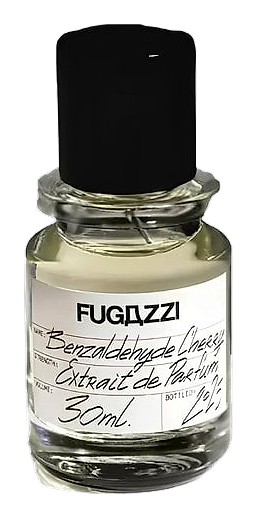
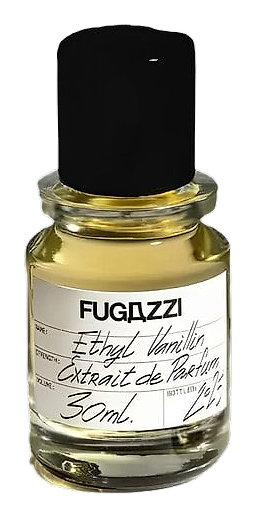
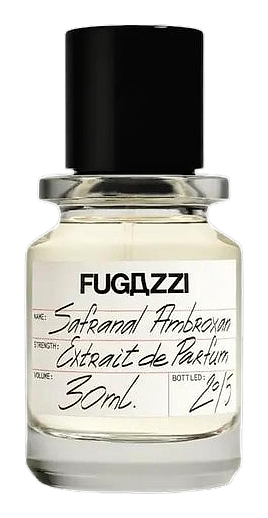
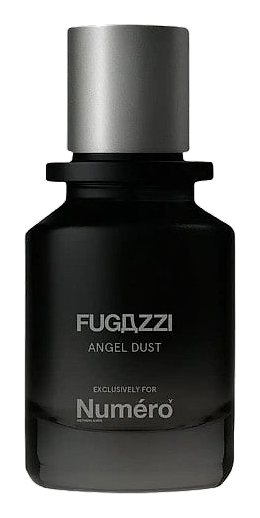
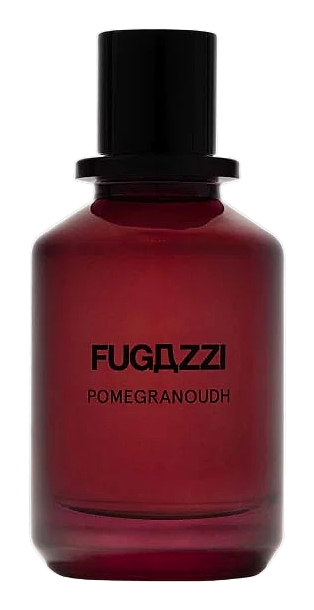
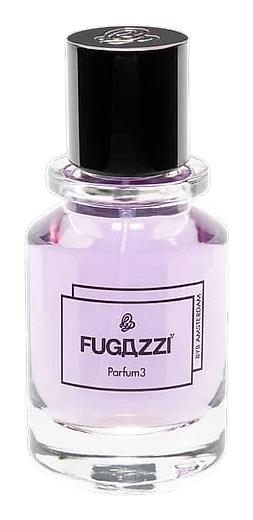
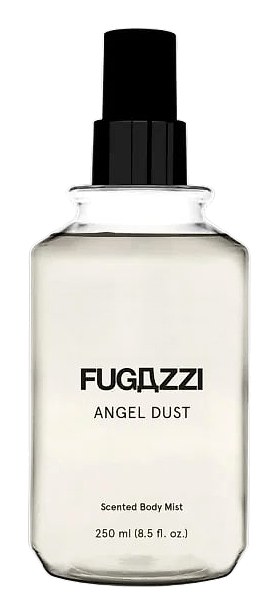
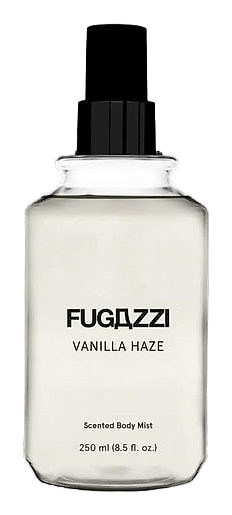
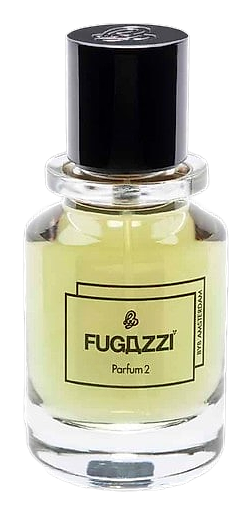
Fugazzi didn't start with a business plan. It started with a feeling. In 2018, Bram Niessink, a freshly graduated fashion management student from Amsterdam's AMFI, took a trip to Egypt that changed everything. Surrounded by perfume oils in Cairo's markets, he began mixing blends for himself. Friends noticed. Then strangers noticed. One particular blend kept drawing compliments, and Niessink, guided by what he describes as his grandfather's belief in instinct and curiosity, decided to bottle it. The name itself is a provocation. 'Fugazzi' borrows from Italian-American slang, made famous by Donnie Brasco and the silver screen mafiosi of the 1970s. It means 'fake,' which is exactly the point. Niessink spelled it with a double Z and left the meaning deliberately abstract: a wink at the idea that authenticity in luxury is often just good storytelling. Before fragrance, Niessink had already founded BYB Amsterdam, a premium accessories label. That background in fashion gave him an eye for branding and positioning that most indie perfumers lack. Fugazzi launched with seven unisex scents, each built around a narrative concept the brand calls 'storysmelling.' The idea is simple but effective: every fragrance should transport you somewhere specific, not just smell good. From a single market stall in Amsterdam, Fugazzi has grown into a globally distributed brand stocked by retailers like C.O. Bigelow in New York, Cult Beauty in London, and Jovoy in Paris. Their Amsterdam flagship store serves as a physical extension of the brand world, where visitors can experience each fragrance's story firsthand. The 4.8-star rating from over 1,700 customers speaks to a community that doesn't just buy the product but buys into the philosophy. Fugazzi operates on a single principle: fragrance should be an extension of personality, not a mask over it. Niessink has been vocal about building the brand as a reaction to what he saw as homogeneity in the beauty industry. Where other houses were going minimal, Fugazzi went bold. Where others played safe with gender-specific marketing, every Fugazzi bottle carries the word 'unisex' without apology. The concept of 'storysmelling' is central. Each fragrance is designed to evoke a specific emotion, memory, or place. Saint Remy channels the tension between peace and chaos in Van Gogh's painting The Irises. Workaholic captures the electric buzz of a city that never sleeps. Angel Dust celebrates the power of the introvert. These aren't marketing afterthoughts; they're the starting point of every composition. Niessink's lack of formal perfumery training is treated as a feature, not a bug. Without industry conventions guiding his nose, he gravitates toward unexpected pairings: burnt coffee with hazelnut, coconut water with amber, cashmeran at center stage with nothing else competing for attention. The result is a catalog that feels distinctly personal, as if each bottle contains a fragment of a larger autobiography.