The Story
Why it exists.
The beginning
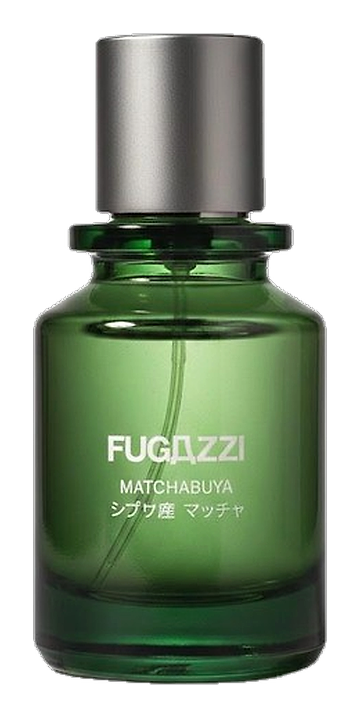
Matchabuya was born from a specific tension: the vibrant energy of Shibuya's crossing, people moving in every direction at once, and the stillness of matcha whisked in a ceramic bowl. The perfumer didn't want to choose between them. Instead, he built a fragrance that holds both. The concept isn't a literal translation of Tokyo into scent. It's something closer to an emotional contrast, the rush and the ritual, the noise and the calm, existing in the same moment. Fragrances made to question, not understand. A place that moves, and an act that asks you to slow down.
The choice of Hinoki wood as the heart note is deliberate. Hinoki carries something matcha shares: a meditative quality, a wood used in Japanese temples because of its distinctive scent. Pairing it with seaweed and cedar adds mineral depth. The bergamot and lemongrass in the opening aren't there to smell like tea, they create the energetic backdrop, the Shibuya that surrounds the moment of calm.
The evolution
The first spray hits cool and bright. Bergamot and lemongrass arrive together, citrus that keeps the opening from becoming sweet. The matcha isn't immediately identifiable as a note; it's more of an impression, a green undertone that keeps the citrus from tipping into sweetness. It reads as clarity rather than scent. As the fragrance develops, the citrus fades and the Hinoki wood takes over. This is where the energy of the opening dissolves into something warm, almost meditative. Cedar and seaweed arrive quietly, adding a mineral dimension that keeps the wood from becoming soft or creamy. The drydown settles into musk and cedar, close to the skin, intimate. The base notes linger, a quiet presence that doesn't announce itself but stays. There remains a faint trace of Hinoki and cedar, like the ghost of a temple visit.
Cultural impact
Matchabuya explores Japanese-inspired fragrance territory, emotional translations of specific places and moments rather than literal interpretations. The concept of matcha as both calm and cultural marker has become increasingly common in Western perfumery. Available at Fugazzi's flagship stores in Tokyo and Amsterdam, it carries a certain boutique exclusivity that fits the brand's positioning.