Lemongrass
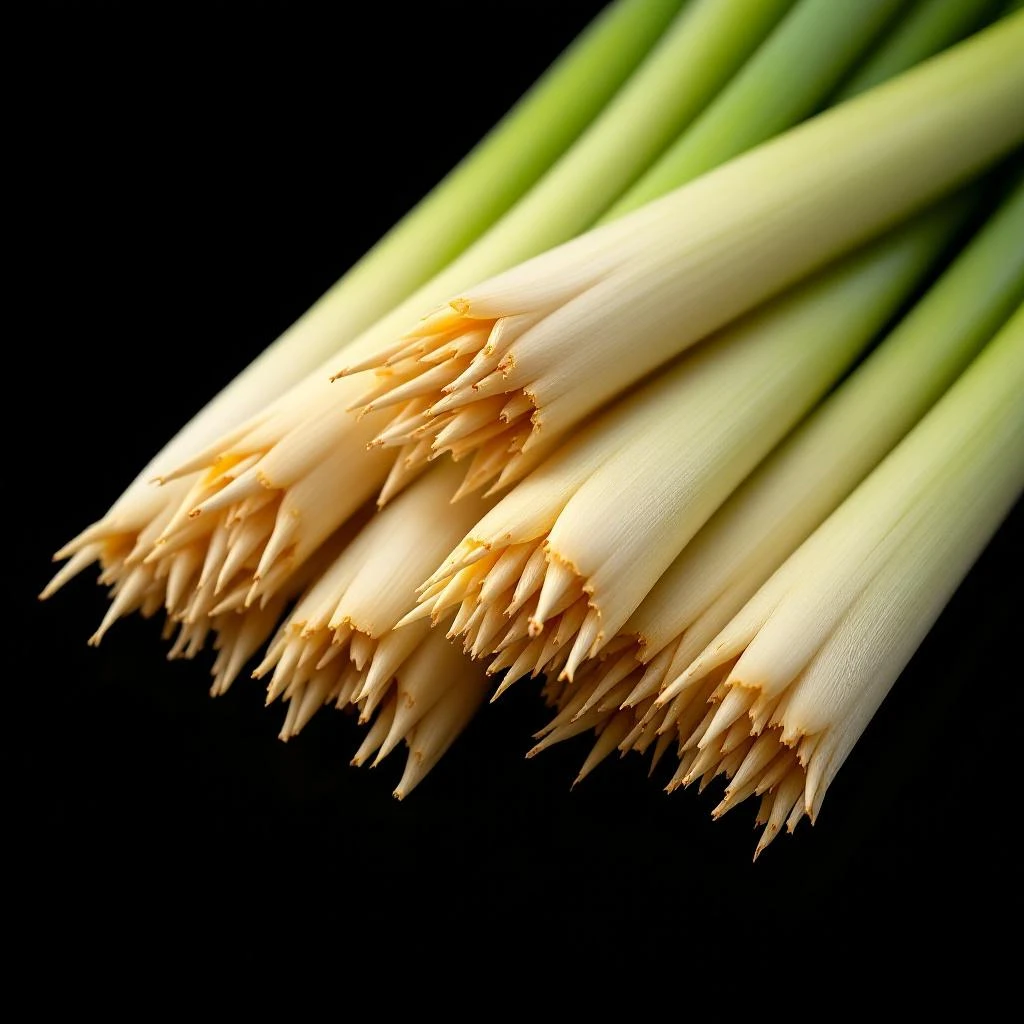
Lemongrass brings a sharp, sunlit citrus charge to fragrance. Native to tropical Asia, its grassy-green, freshly squeezed character cuts through compositions with a clarity that feels simultaneously medicinal and alive.
Character
How it smells
Sunlit citrus with a grassy-green, medicinal edge.
Lemongrass leaves can contain up to 85% citral, making them more concentrated in this lemon-scented compound than actual lemon peel itself.









Origin
Philippines
Lemongrass has been cultivated across tropical Asia for centuries, appearing in traditional medicine systems and regional cuisines throughout India, Sri Lanka, and Southeast Asia. Historians point to early trade records from the Philippines as among the oldest documented exports of lemongrass oil, establishing its commercial significance in the region long before Western markets took notice. Its entry into Western perfumery accelerated in the early 20th century, paralleling broader advances in essential oil extraction technology.
By mid-century, lemongrass had become a staple in functional fragrances and household products, valued for its clean, bright character. Today it appears across masculine and gender-neutral compositions, appreciated for the crisp, energizing quality it brings to citrus, aromatic, and fougere structures.
Wears it best
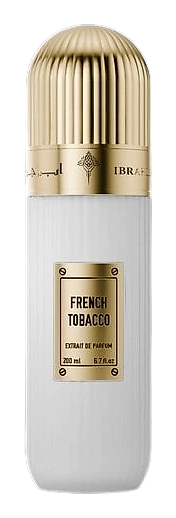
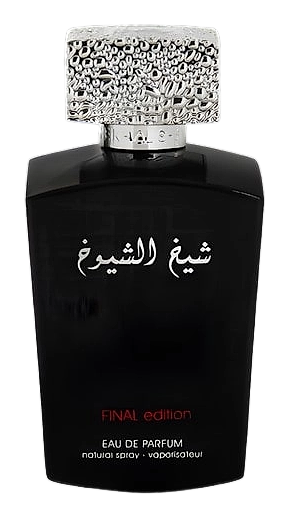
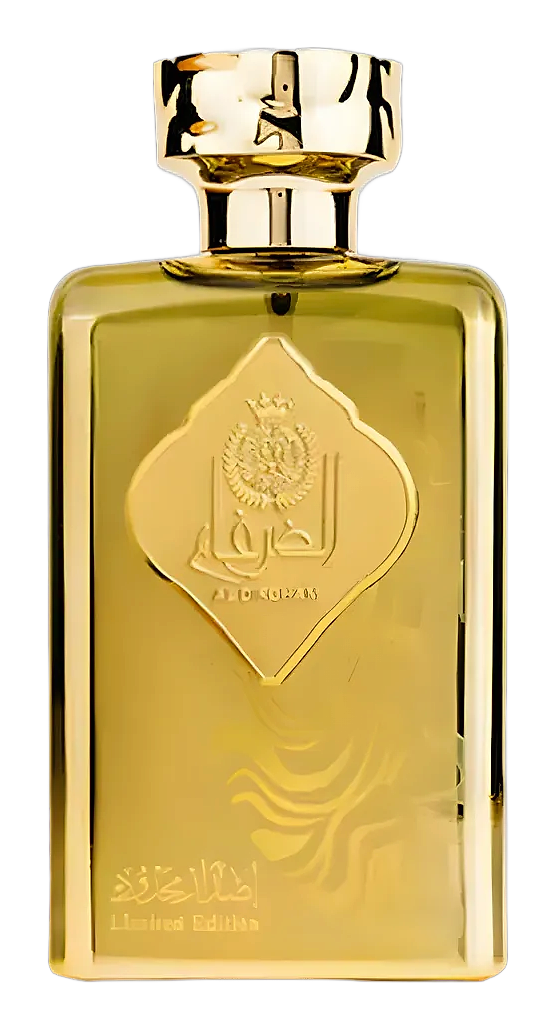
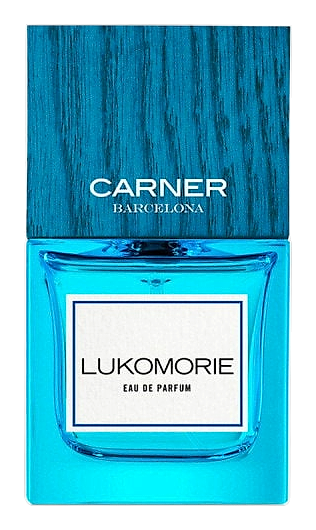
Fragrances featuring Lemongrass
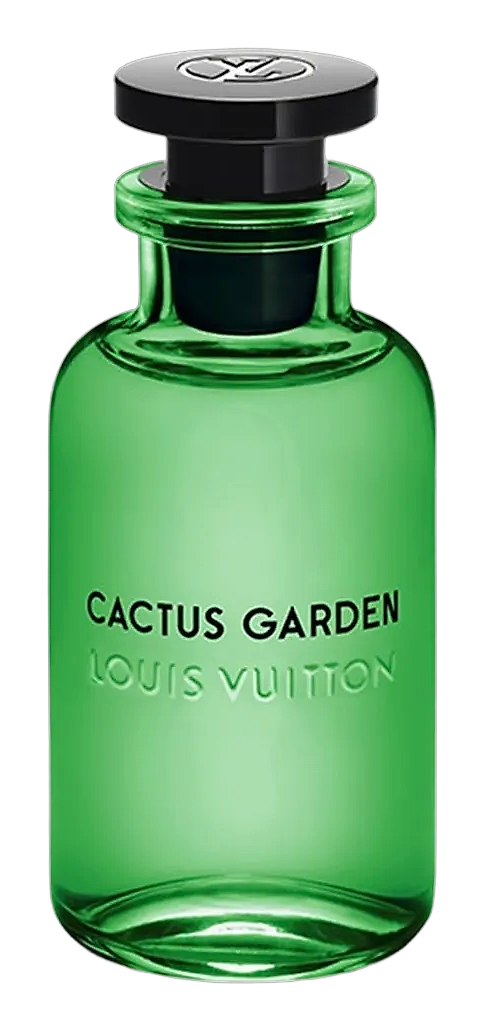
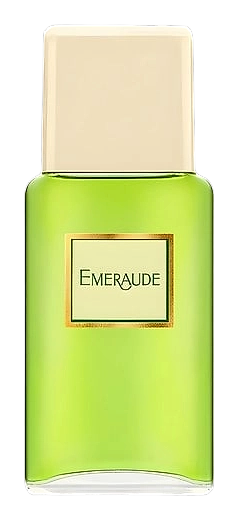
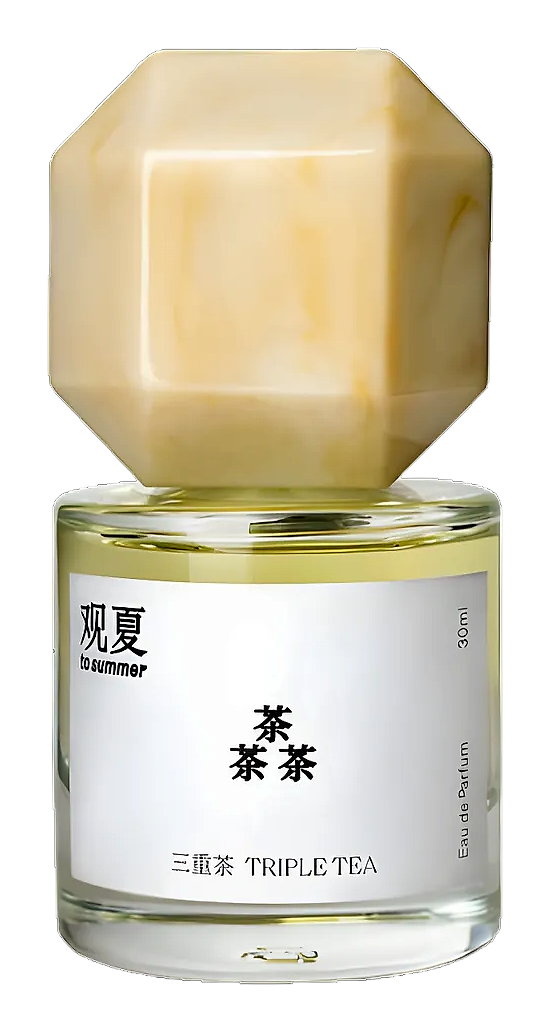
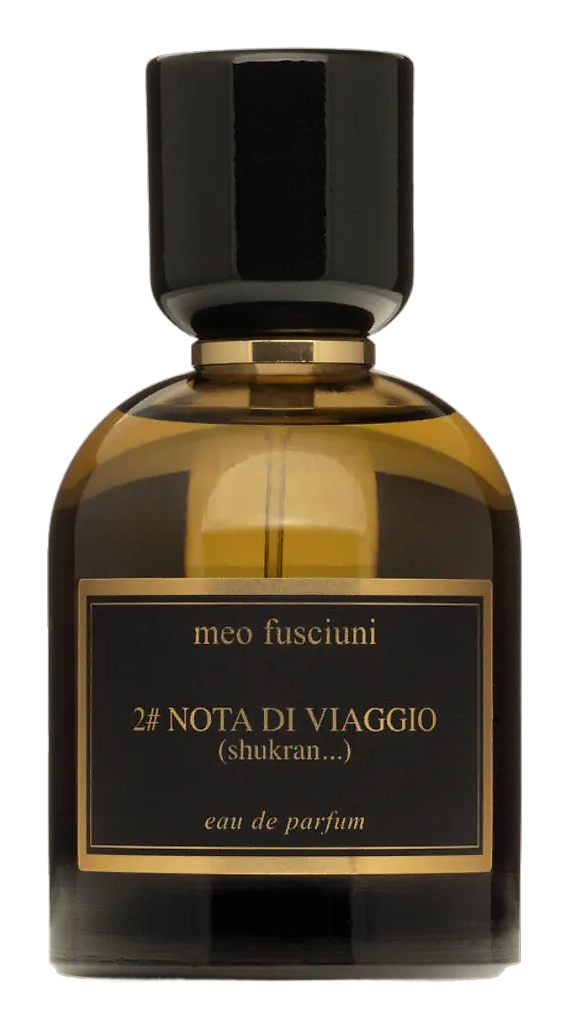

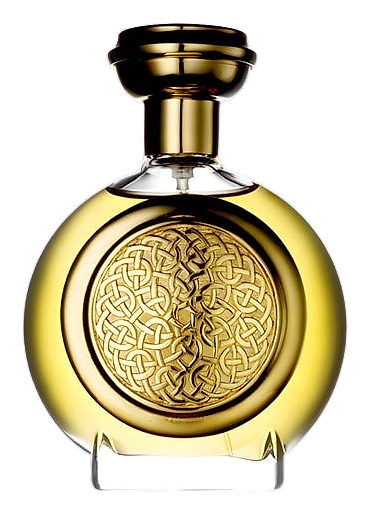
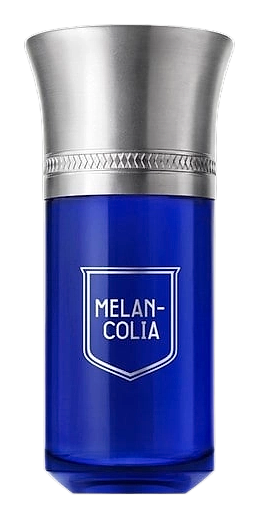
Brands
Brands known for Lemongrass
Good to know
Questions, answered
The essentials on Lemongrass in perfumery: how it smells, where it comes from, and how it behaves on skin.
What does lemongrass contribute to a fragrance composition?
Lemongrass adds a sharp, bright citrus character with grassy-green and faintly medicinal undertones. It functions as a natural fragrance accelerator, amplifying adjacent citrus and herbal notes while lending an impression of cleanliness and energy.
How would you describe the smell of lemongrass?
Lemongrass smells like a freshly squeezed lemon crossed with a blade of fresh grass. The scent is intensely citric but carries an herbal, almost camphoraceous depth that sets it apart from simple citrus peels.
What is the key aromatic compound in lemongrass oil?
Citral, a natural combination of geranial and neral, constitutes up to 85% of lemongrass oil. This compound delivers the signature lemony aroma that perfumers seek when selecting this material.
Is lemongrass used as a natural or synthetic ingredient in perfumery?
Both. The citral in lemongrass occurs naturally at high concentrations, but commercial fragrance production often uses synthetic citral for consistency and supply stability. Natural steam-distilled lemongrass oil remains the preferred choice for artisanal and niche perfumery.
What fragrance families use lemongrass most frequently?
Lemongrass appears most often in fresh fougeres, aromatic chypres, and citrus colognes where it reinforces the clean, green character. It also shows up in oriental fragrances as a brightening top note to prevent heaviness.
What ingredients pair well with lemongrass in fragrance?
Lemongrass harmonizes naturally with lemon, bergamot, litsea cubeba, and vetiver. Pairing it with rosemary, basil, or geranium introduces an aromatic complexity that tempers its sharper edges.
Does lemongrass smell like actual lemon?
The high citral content gives lemongrass a distinctly lemony quality, but it reads more as a lemon verbena leaf than a lemon peel. The grassy, herbal backbone prevents it from functioning as a true citrus note in perfumery.
Are there any considerations when using lemongrass in formulations?
Lemongrass oil is potent at low concentrations, and IFRA guidelines recommend dilution for most leave-on applications. Professional perfumers typically use it at fractional percentages to avoid overwhelming the composition with its medicinal intensity.