The Story
Why it exists.
The beginning
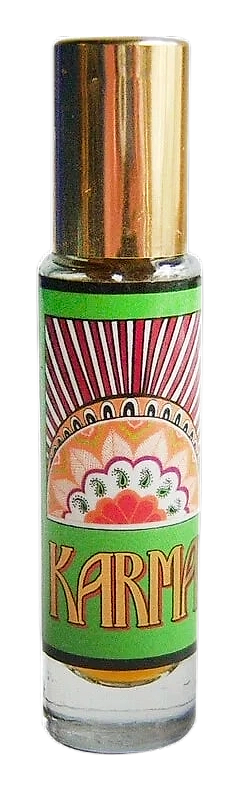
Lush dropped Karma in 1995 as an ode to something harder to pin down than a scent. The brief was simple: capture the spirit of free love, concert fields, head shops, and everything that came before branded everything. No careful concepts, no abstraction. Just patchouli, orange, and a few spices that could translate feeling into smell. Mark Constantine and his team built it from materials that had their own stories, Brazilian orange for brightness, Indonesian patchouli for depth, cinnamon and fir resin for the warmth that held it together. The name Karma wasn't meant philosophically. It was meant like a vibe: what you put out comes back.
What makes Karma work is the way the citrus refuses to play nice with the earth notes. Orange isn't subtle here, it's the opening statement, aggressive and sunny, the kind of smell that changes a room's energy before the patchouli even arrives. Lemongrass keeps it green, almost sharp, so the sweetness never gets syrupy. Then the pine and blackcurrant arrive in the heart, adding a tartness that contrasts with the warmth building underneath. The real move is the fir resin and elemi in the base, resinous, slightly medicinal, they give the patchouli somewhere to land that isn't just sticky. It's structured in a way that feels accidental, like the perfumers found something true and didn't mess with it.
The evolution
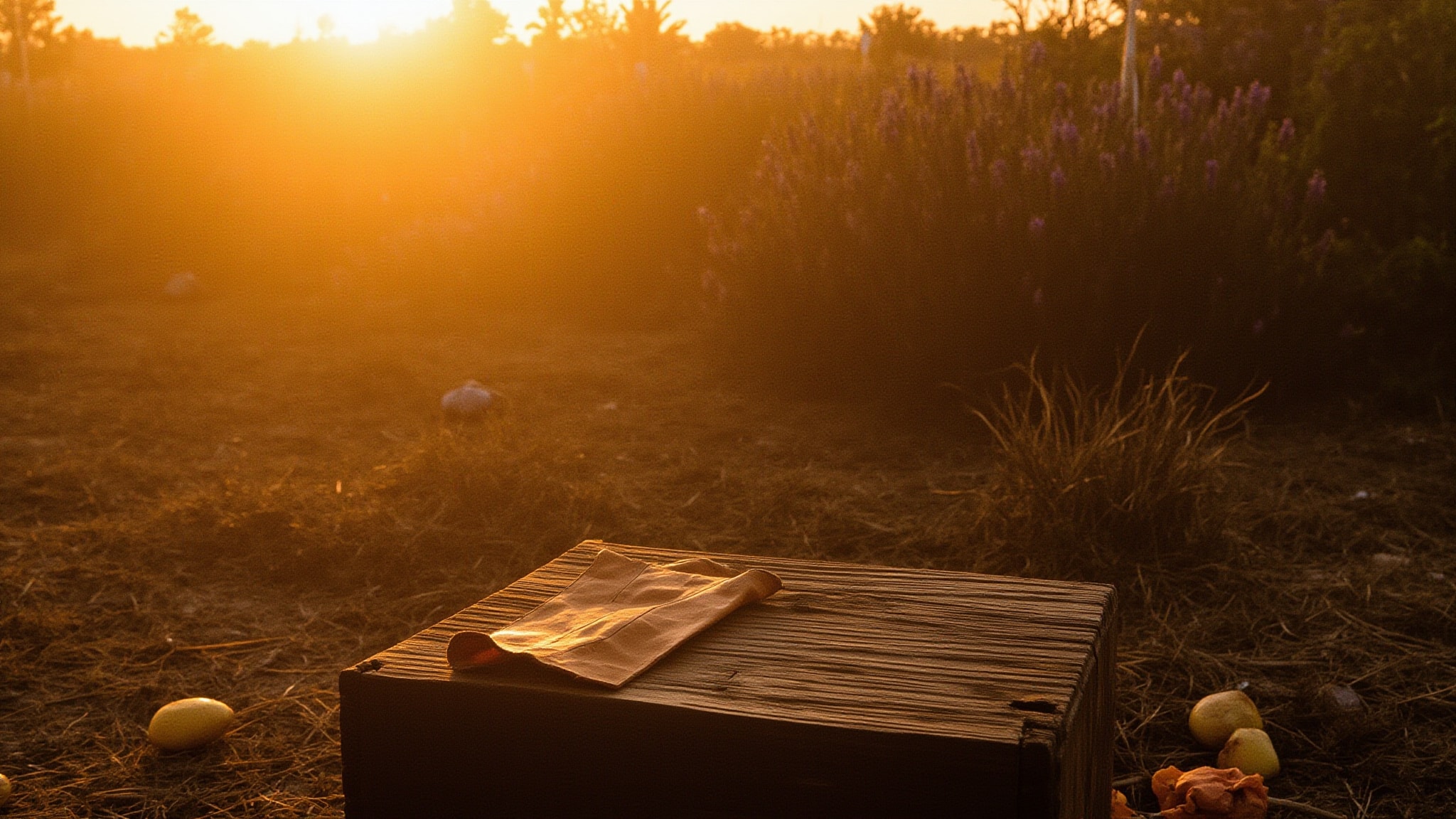
The opening hits immediately. Orange, lemongrass, a sweep of lavender that keeps things herbaceous rather than floral. Thirty minutes in, the citrus starts to soften as pine and fir resin arrive, suddenly it's darker, greener, like stepping inside from a bright field. The blackcurrant adds a tart berry note that surprises, cutting through the warmth. Patchouli establishes itself around the hour mark, but it's not the solo act you'd expect, it's woven through with elemi and cinnamon, a spiced wood that keeps the earthiness from getting heavy. The drydown holds for hours. Patchouli, fir resin, a ghost of orange. On fabric, you'll find it the next day.
Cultural impact
Karma has outlasted countless fragrance trends since 1995, maintaining a devoted following precisely because it refuses to apologize for what it is. It's the scent people reach for when they want something with character, not safe, not subtle, but unmistakably itself. In a market full of seeking opinions and mass appeal, Karma is the reminder that fragrance can be a statement.