
The Story
Why it exists.
The beginning
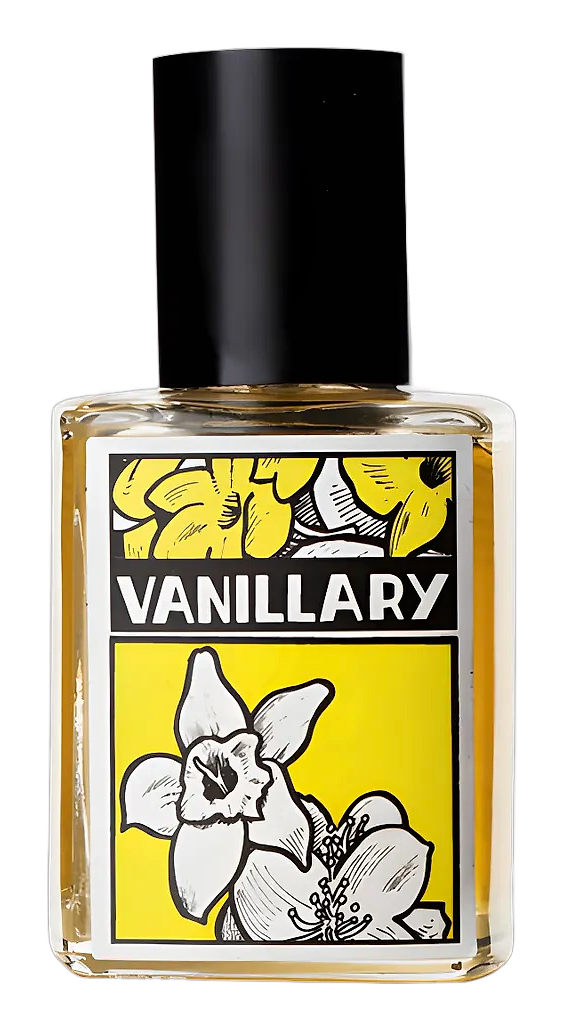
Simon Constantine designed Vanillary in 2009 with a clear vision: make vanilla honest. Not the synthetic imitation that fills half the market, the real thing, absolute from vanilla pods, rich and resinous and anything but simple. The brief was straightforward: a vanilla that captured the pod's depth rather than confectionery sweetness. The fragrance opens warm and enveloping, true to the actual vanilla pod rather than a laboratory recreation. Rich, almost resinous undertones emerge as the scent settles, revealing the natural complexity that only real vanilla absolute can provide. There's nothing simple about this vanilla, it's multifaceted, revealing different layers as it evolves on the skin. It starts creamy, almost buttery, before dry, leathery notes begin to surface.
What makes Vanillary stand apart is the decision to lead with natural vanilla absolute instead of a synthetic vanillin proxy. These aren't the same material. Natural vanilla absolute carries within it the specificity of the orchid, warm, deep, with a resinous quality that synthetic alternatives can't replicate. Tonka bean doesn't just sweeten the composition; it introduces coumarin's powdery, hay-like undertones that give the vanilla somewhere to live. Then jasmine arrives to ground it, to remind wearers this is a warm vanilla with skin, not air. The pyramid may be simple, but simplicity here is earned.
The evolution
Vanillary opens with vanilla absolute at its most unfiltered, sweet, resinous, barely shy of edible. There's no bergamot to cool it, no citrus to delay the warmth. Within minutes, tonka bean softens the edges into something more familiar, more cuddly. The jasmine surfaces slowly, threading through the drydown like a whisper rather than an announcement. By hour two, the composition has settled into its final form: warm, powdery, intimate. The projection tightens. The sillage drops from noticeable to close. What remains on skin after six hours or so isn't a fragrance anymore, it's a skin-note, something that reads as warmth rather than perfume. On fabric, it lingers for days.
Cultural impact
Vanillary challenged assumptions about what vanilla could be in fragrance. As a soliflore, it placed vanilla absolute at the center rather than using it as a background player, demonstrating that a single-note composition could still possess remarkable depth and longevity. The fragrance showed that simplicity in perfumery doesn't mean simplification, it means letting a quality material fully express itself without interruption. For many wearers, it became an introduction to thinking differently about fragrance, proving that honest, straightforward compositions can be just as compelling as complex multi-ingredient structures.