
The Story
Why it exists.
The beginning
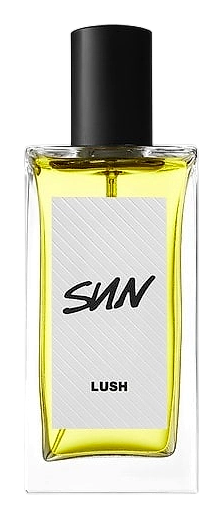
Mark Constantine created Sun in the middle of a long, cold winter. The Lush co-founder and perfumer was in a morose mood, the kind where grey skies feel personal, when he reached for something that didn't exist yet. The concept came from a memory: a road trip through the United States with friends, driving toward the shore with Simon and Garfunkel on the stereo and summer sunshine pouring through the windshield. That feeling of uncomplicated joy became the brief. Brazilian orange oil and mimosa petals were the answer, a way to bottle the sensation of warmth arriving exactly when you need it most.
What makes Sun interesting is its restraint. This isn't a complex fragrance with hidden depths or a sillage that announces your arrival in every room. It's an essential oil composition at its core, bright, direct, almost familiar the way a well-loved song is familiar. The orange doesn't try to be clever. The mimosa adds that soft, powdery yellow-floral warmth that keeps the citrus from feeling like furniture polish. And the sandalwood base does quiet work: it doesn't project, but it keeps the scent from disappearing entirely. For an hour or two, you smell like the memory of a good day. That's the entire point.
The evolution
The opening arrives fast, orange and tangerine, bright and fizzy, like sunshine distilled into liquid. There's no preamble. You get it immediately, and it reads clean for about twenty minutes before the mimosa starts to soften the edges. The heart phase is where Sun earns its name: warm, golden, powdery without being dusty. The sandalwood doesn't announce itself. It arrives quietly, giving the top notes somewhere to settle rather than just evaporating. By the second hour, you're left with a skin-close warmth that only you can really smell. The longevity is honest, one to three hours, depending on your skin. But the drydown has a quality that outlasts its quantity: that soft mimosa-sandalwood whisper that feels like the exhale after a perfect afternoon.
Cultural impact
Sun arrived in 2013 as a deliberate departure from the layered complexity that mainstream perfumery had normalized. Lush's approach to fragrance has always been provocative, using unconventional base notes like fresh avocado and whole pineapple in other scents. Sun pushed back against that tradition by going ultra-simple, stripping away the usual structure to let citrus and yellow floral speak plainly. For a brand built on hand-made cosmetics and ethical sourcing, this was also a statement about transparency. Sun became a reference point for consumers frustrated by opaque fragrance marketing, offering a composition you could actually read from its ingredient list.