Mark Constantine
Mark Constantine arrived in the fragrance world through an unlikely door. Born in Sutton in 1952, he spent years working as a trichologist, studying hair and scalp health, before his path veered definitively toward scent. He and his wife Mo launched LUSH in 1995, building the cosmetics company from a single shop in Poole into a global phenomenon that challenged every convention of how fragrance houses operate. Constantine never followed the traditional perfumer's route. He had no formal training in composition, yet he developed an instinctive understanding of materials that surprised industry veterans. His early work focused on dense, aromatic products that prioritized ingredient transparency at a time when the fragrance industry guarded its formulas fiercely. Constantine's career reads like a refutation of gatekeeping itself. He built LUSH on the principle that customers should smell products before buying them, that ingredients should be listed plainly, and that fragrance creation need not happen behind corporate walls. He received an OBE for services to business, though colleagues insist the honor recognized something more fundamental: his insistence that fragrance could be honest, tactile, and alive. His son Simon followed him into perfumery, becoming LUSH's head nose before launching his own line. The Constantine approach to scent runs in the blood.
The hits
Notable creations
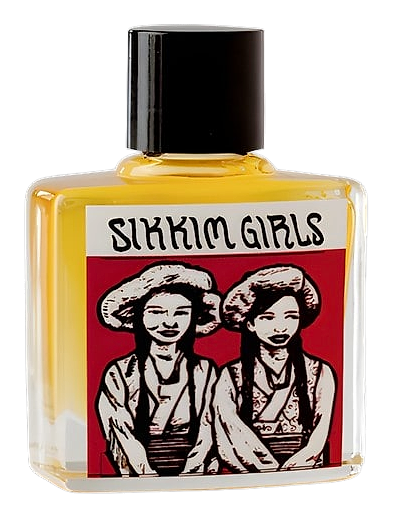
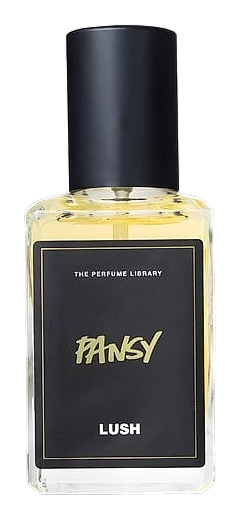
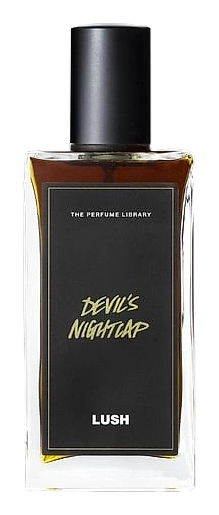
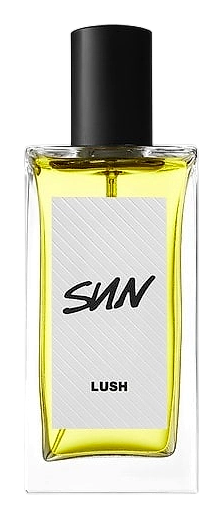
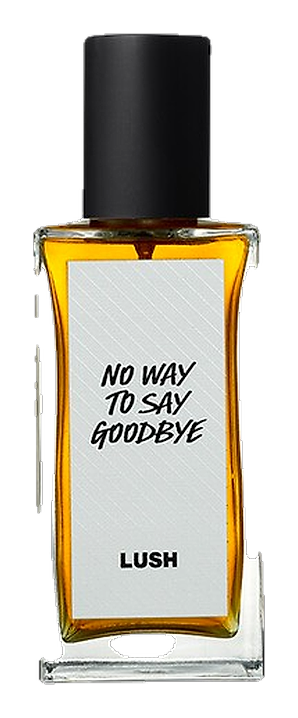
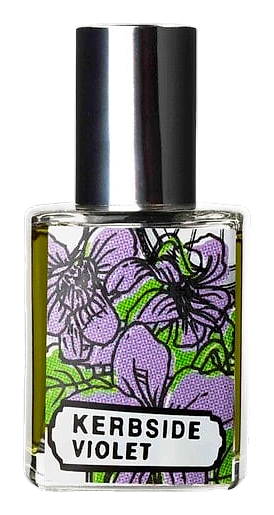
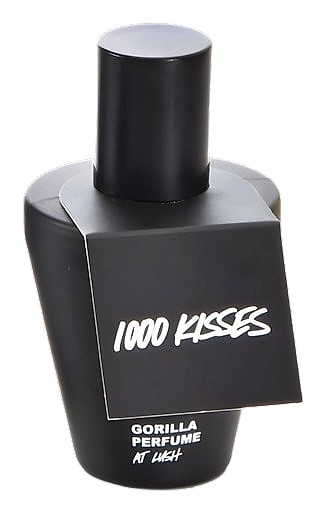
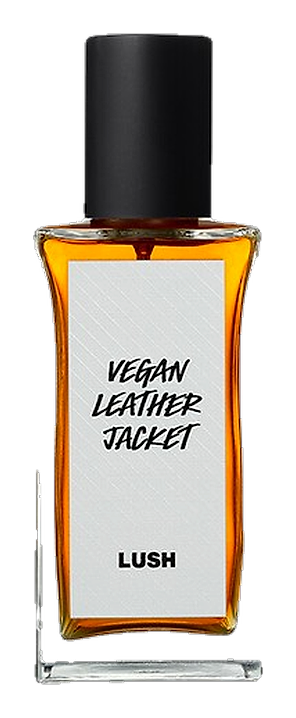
The signature
How Mark composes
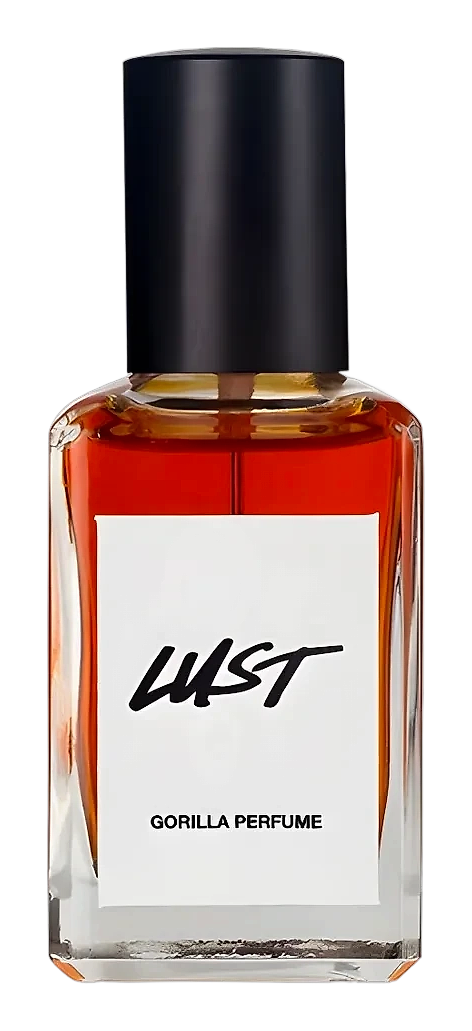
Constantine's style resists easy categorization because he never formally trained within the classical French system. Instead, he developed what industry observers call a raw materials approach, favoring strong concentrations of recognizable ingredients over sophisticated molecular construction. His fragrances often feature bold citrus, dense florals, and spicy notes used without subtlety. He gravitates toward ingredients customers can name and identify, building compositions that feel more like cooking than chemistry. LUSH's Gorilla Perfume line, which operates under his broader vision, produces scents like Karma, Breath of God, and Snow Cake. These fragrances share a characteristic rawness: they smell expensive without trying to, and they wear their ingredients openly. Constantine prefers to work with whole botanicals when possible, expressing skepticism toward recreations of natural materials that he considers pale imitations.
Philosophy
What drives Mark
Mark Constantine treats fragrance as a full-body experience, not something that lives merely in a bottle. He built LUSH around the idea that customers should touch, smell, and hear their products before purchasing them. This philosophy shapes everything from shop layouts to product formulations. Constantine resists the idea that fragrance should simply smell pleasant. He pushes for boldness, for materials that announce themselves, for scents that spark conversation. He has spoken openly about synesthesia, describing how he perceives colors when smelling certain ingredients. This cross-sensory perception informs how he approaches creation. He believes fragrance houses have dumbed down their offerings to avoid offending anyone, and he considers that timidity a failure. Constantine's driving question is simple: does this smell alive? If the answer is no, the work isn't finished.
The houses
Maisons Mark composes for
In the same league