
The Story
Why it exists.
The beginning
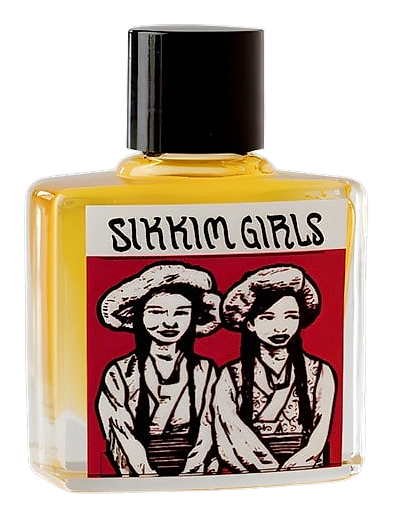
The name is a place and a provocation. Sikkim, a state in the Indian Himalayas, pressed between Nepal, Bhutan, and Tibet. Darjeeling, just below, famous for its tea and its hillsides that disappear into mist. The story goes that Sikkim Girls, dancers in a Darjeeling cafe, stopped a young man in his tracks with nothing but movement and presence. Mark and Simon Constantine built Sikkim Girls from that moment: jasmine, frangipani, tuberose, vanilla. Flowers that don't enter quietly. A 2013 Lush release that refuses to be background music anywhere.
Frangipani and tuberose together is a commitment. Both are thick-petaled flowers, heavy with indolic sweetness, the kind that reads almost waxy up close. Most fragrances pick one and build around it. Here they share the stage, which is unusual, two flowers that could easily crowd each other instead creating a lush, layered effect that reads tropical without a drop of coconut. The vanilla doesn't soften them so much as deepen the warmth, pushing the whole composition into something that feels less like a single note and more like an atmosphere. It's warm and round and unapologetic, built for weather that justifies staying close to someone.
The evolution
The jasmine opens like a declaration. Green, sharp, almost medicinal before it settles into a fuller expression. The frangipani and tuberose take over, weaving together into something thick and hypnotic, their tropical richness filling the space with a creamy floral intensity that feels almost tangible. The drydown is where vanilla earns its place, not floating above the flowers but threaded through them, adding a sweetness that makes the whole composition feel close and warm. Sikkim Girls lasts well past the point where you'd think it would tire. The sillage drops off eventually but the fragrance stays on skin for hours. On clothes, it lingers into the next day, a faint, creamy warmth that reminds you what you were wearing.
Cultural impact
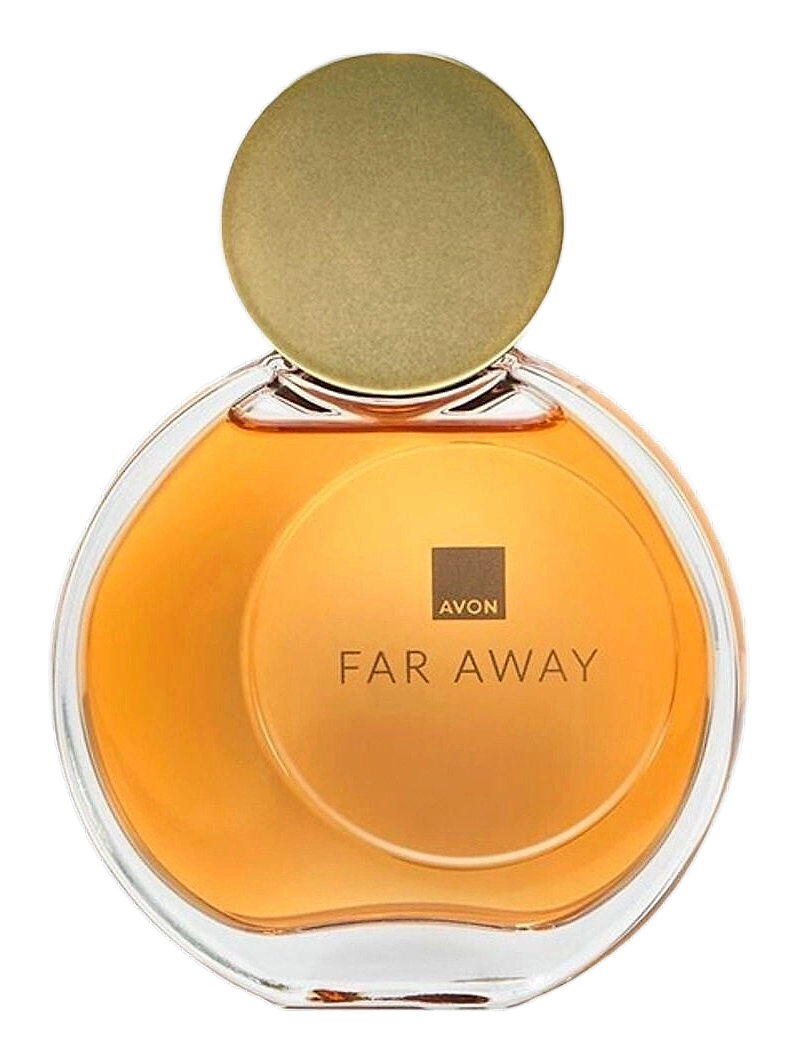
Sikkim Girls polarizes in the best way. Those who connect with it tend to feel strongly, the tropical floral intensity reads as either intoxicating or overwhelming, with very little middle ground. Community reviewers draw comparisons to Avon's Far Away, noting that Sikkim Girls pushes further into unapologetic floral territory. The 2013 release stands as evidence that Lush's perfumers aren't afraid to build compositions that ask something of the wearer, creating something that rewards those willing to embrace its boldness.
The House
LushLush is a British cosmetics company founded in Poole, England, in 1994 by trichologist Mark Constantine, his wife Mo Constantine, and five additional co-founders. The brand gained international recognition for its hand-pressed bath bombs, which Mo Constantine invented in her garden shed in 1989. Now operating in 49 countries, Lush has evolved from a single High Street shop into a global retailer while maintaining its commitment to ethical manufacturing and cruelty-free products. In-house perfumers Mark Constantine OBE, Emma Vincent, and Alina Gliwinska create the brand's fine fragrances, which are presented through the Perfume Library concept stores in Liverpool, Florence, and London. The fragrance collection spans over 230 perfumes dating back to 1989, organized into thematic volumes that serve as milestones in the brand's perfumery history.
The Creator
Mark Constantine & Simon ConstantineConstantine's style resists easy categorization because he never formally trained within the classical French system. Instead, he developed what industry observers call a raw materials approach, favoring strong concentrations of recognizable ingredients over sophisticated mole…