
The Story
Why it exists.
The beginning
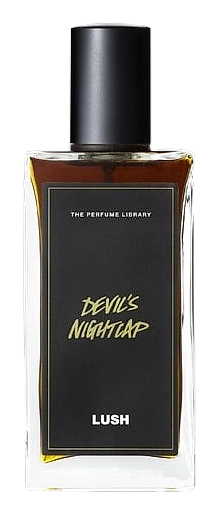
The Agglestone rises on the Dorset heaths, a boulder balanced impossibly atop a stone pillar, known affectionately as the Devil's Nightcap. In 2012, Simon Constantine and Mark Constantine turned that myth into a perfume. Oakmoss and oak absolute anchor the composition from the start, the Agglestone's geology rendered as scent. There's a dense, green darkness to the opening that feels ancient, the kind of scent that has weight and history. Clary sage and orange blossom arrive as counterpoint, herbal and bright, cutting through the dark with an almost medicinal clarity. The orange blossom adds a waxy sweetness that feels sun-warmed, a flash of light breaking through the canopy. The fragrance doesn't try to recreate the landscape. It becomes it.
What makes Devil's Night Cap work is the tightness of its structure. Five notes. No filler. Every material does something specific. Oakmoss is the backbone, dark, green, slightly bitter, intensely alive. Oak Tree amplifies the same woody, bark-and-moss character from a different angle, creating a layered depth rather than a flat accord. Together they form a foundation that feels ancient and grounding, the kind of note that anchors everything around it.
The evolution
The opening is immediate: clary sage arrives first, herbal and clean, followed by orange blossom's bright waxy sweetness. For the first thirty minutes, the fragrance reads as surprisingly floral, a counterintuitive start for something named after a Devil's cap. The orange blossom holds the stage, soft and sunlit, while the herbal sage keeps things grounded and prevents the florals from becoming too sweet. Then the oakmoss takes over. It doesn't announce itself. It simply becomes the dominant character, pushing the florals back into the wings until they become background texture, a faint warmth beneath the green. The ylang-ylang softens the edges but never rises to prominence, its tropical sweetness adding a subtle exotic undertone that makes the green notes feel more complex. By the second hour, you're wearing the forest floor.
Cultural impact
Devil's Night Cap has attracted a dedicated following among fragrance wearers who prize authenticity over abstraction. The realistic oak and moss character sets it apart from many mainstream releases, a scent that demands something from the wearer rather than simply pleasing everyone in the room. It asks you to lean in, to notice the green depth and the dry warmth and the way the florals fade into the background like morning mist burning off a forest floor. Within the Lush fragrance library, it occupies a specific niche: for those who've moved past the brand's sweeter bath-bomb heritage and want something that smells genuinely of the earth.
The House
LushLush is a British cosmetics company founded in Poole, England, in 1994 by trichologist Mark Constantine, his wife Mo Constantine, and five additional co-founders. The brand gained international recognition for its hand-pressed bath bombs, which Mo Constantine invented in her garden shed in 1989. Now operating in 49 countries, Lush has evolved from a single High Street shop into a global retailer while maintaining its commitment to ethical manufacturing and cruelty-free products. In-house perfumers Mark Constantine OBE, Emma Vincent, and Alina Gliwinska create the brand's fine fragrances, which are presented through the Perfume Library concept stores in Liverpool, Florence, and London. The fragrance collection spans over 230 perfumes dating back to 1989, organized into thematic volumes that serve as milestones in the brand's perfumery history.
The Creator
Simon Constantine & Mark ConstantineSimon favors single‑note focus, often building a composition around a pure absolute or essential oil. He pairs a dominant material with subtle supporting accents, allowing the star ingredient to breathe.