Oak Tree
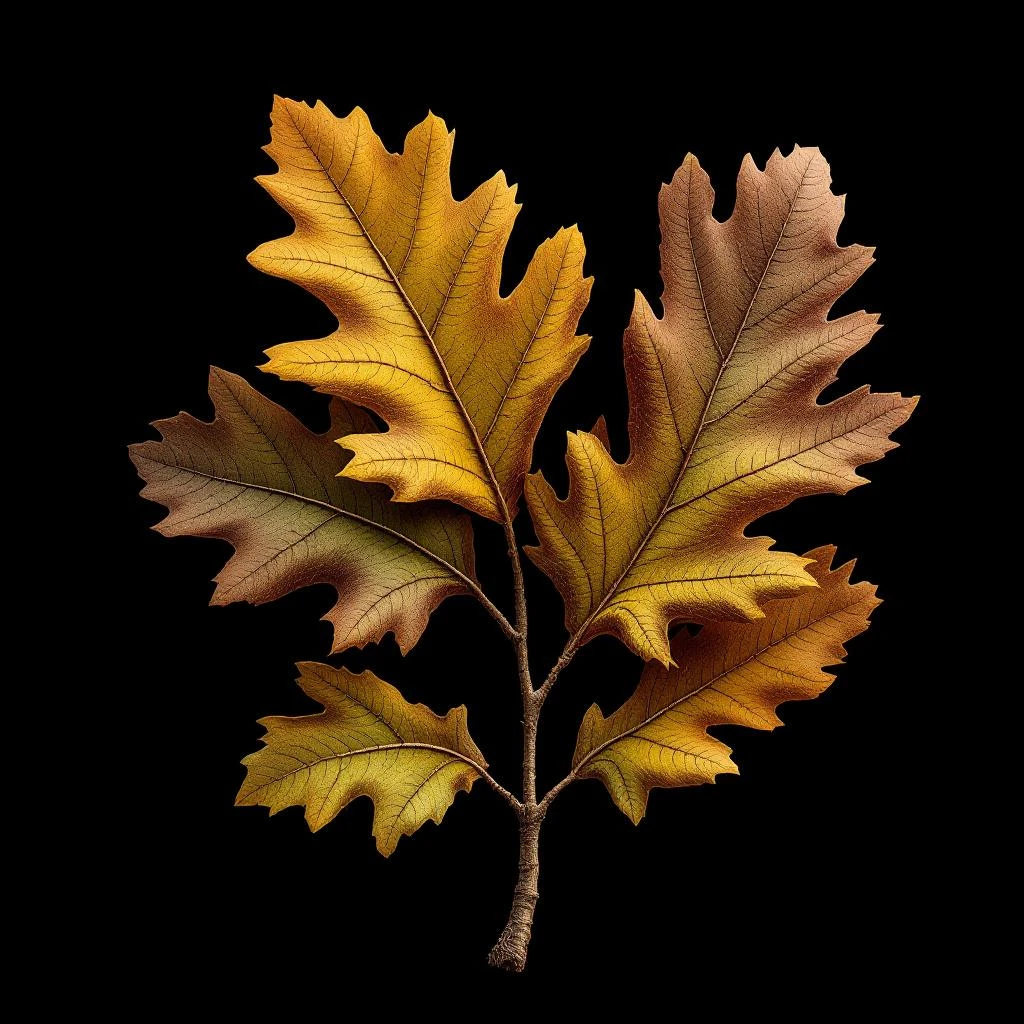
Oakmoss is a lichen (Evernia prunastri) that grows on oak trees, producing one of perfumery's most prized aromatic materials. Its complex earthy, forest-floor scent creates an essential base note in countless fragrances, prized for its ability to add depth, warmth, and a sense of place.

Character
How it smells
Forest depths captured in every note
Oakmoss was so central to perfume creation that its restriction in the EU in 2015 (due to allergenic compounds) sparked a wave of reformulation across the fragrance industry.







Origin
France
Oakmoss has been woven into perfumery traditions since antiquity, though its significance was not always recognized by name. Ancient Mediterranean cultures prized forest ingredients, and oak trees held sacred status across Greek, Roman, and Celtic traditions. The actual use of oakmoss in fragrance dates to medieval Europe, where herbalists and early perfumers incorporated it into pomades and scented preparations.
The material gained prominence during the 19th century as fragrance houses moved beyond single ingredients toward complex compositions. Chypre fragrances, a category named after the island of Cyprus, became famous for their oakmoss-rich heart, creating a template that dominated Western perfumery for over a century. The aromatic's prominence was such that industry observers noted that the scent of a well-made chypre was essentially the scent of oakmoss.
In 2015, European regulation limited the concentration of certain compounds in oakmoss extracts due to allergen concerns, fundamentally altering how perfumers approached the base notes of masculine and classic fragrances.
Wears it best
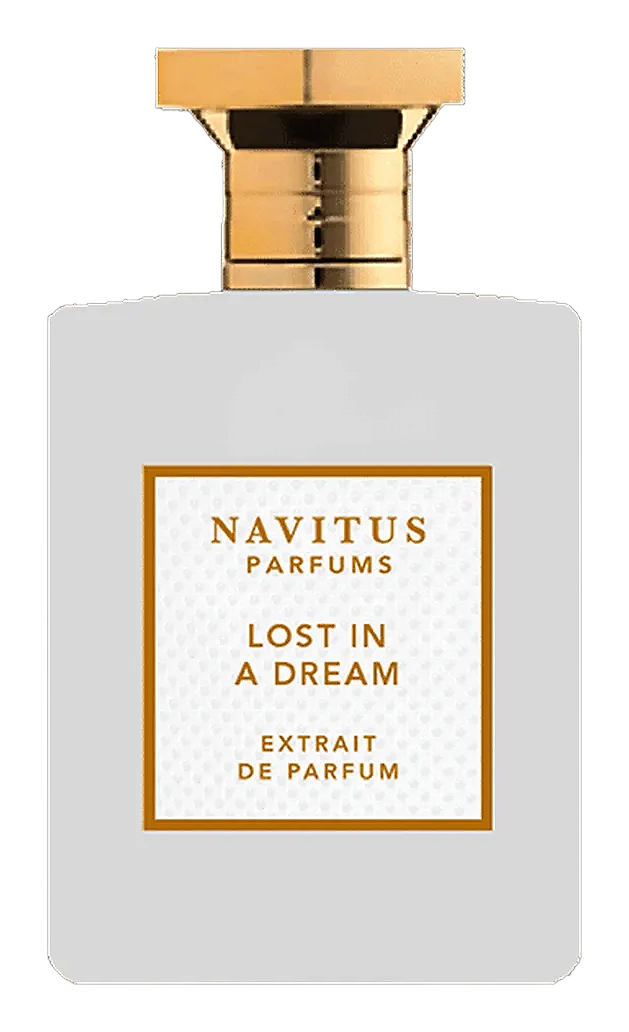
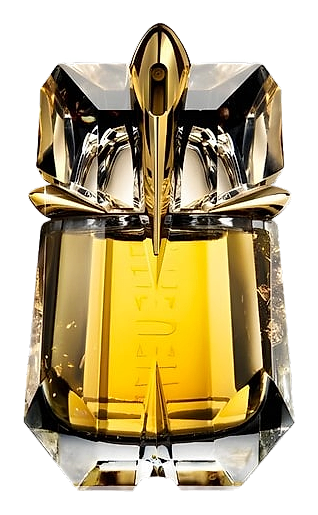
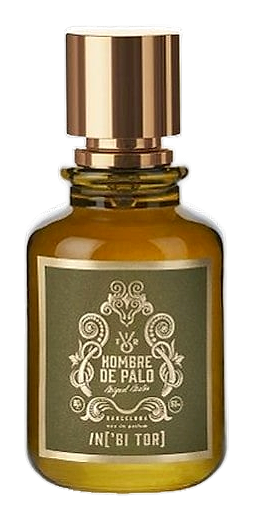
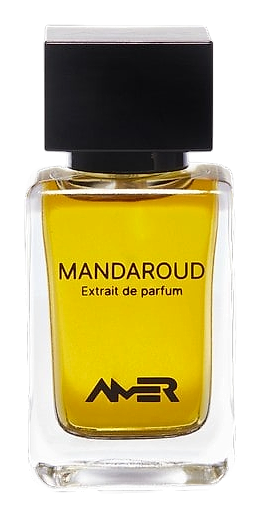
Fragrances featuring Oak Tree




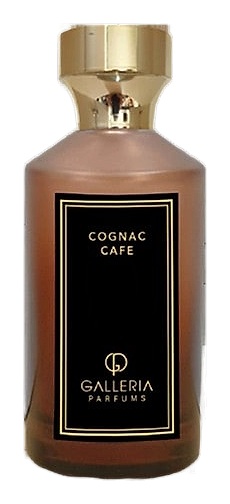
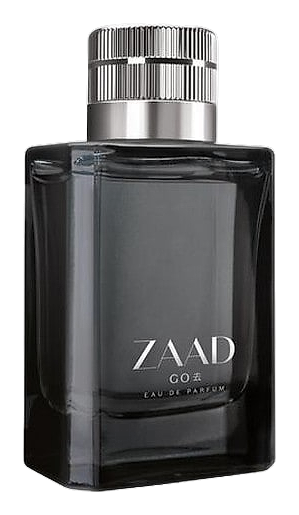
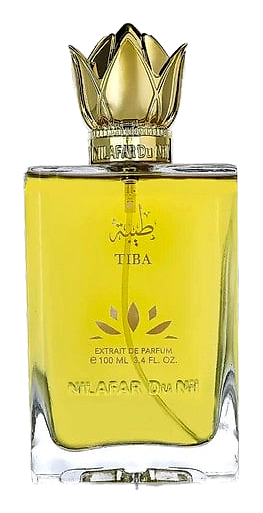
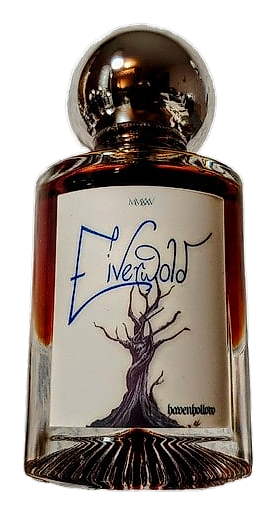
Brands
Brands known for Oak Tree
Good to know
Questions, answered
The essentials on Oak Tree in perfumery: how it smells, where it comes from, and how it behaves on skin.
What does oakmoss smell like?
Oakmoss presents an earthy, forest-floor character with mossy and woodsy elements. The fragrance combines damp vegetation, rich soil, and bark, creating warmth and depth that perfumers value for base note compositions. No synthetic replicates capture its full complexity.
Why is oakmoss restricted in perfumery?
The EU's 2015 regulation limited certain oakmoss compounds (atreol and evernyl) due to allergen concerns. This forced reformulation of classic fragrances and drove development of processed extracts with reduced allergenic potential while maintaining aromatic character.
Can synthetic materials replace oakmoss?
Several synthetics attempt oakmoss reconstruction, including evernyl and veratraldehyde blends. While useful, none fully replicate the natural material's complexity and subtle variations between harvests. Natural oakmoss remains the industry benchmark.
Where does quality oakmoss come from?
French oakmoss from the Vosges mountains and Provençal forests sets the quality standard. Croatian and Balkan sources also produce excellent material. Climate and altitude affect the lichen's aromatic profile, creating regional variations perfumers prize.
Is oakmoss a moss or a tree product?
Oakmoss (Evernia prunastri) is actually a lichen, a symbiotic organism combining fungus and algae. It grows on oak bark but is not produced by the tree itself. The name reflects its habitat rather than its botanical classification.
How long does oakmoss last on skin?
Oakmoss absolute serves as an excellent fixative, extending the longevity of lighter top and heart notes. Its分子 weight supports slow evaporation, meaning the characteristic earthy base remains detectable for 8-12 hours in well-formulated fragrances.
Which fragrance families use oakmoss most?
Chypre, fougère, and aromatic woody compositions feature oakmoss most prominently. Its integration with citrus, lavender, and synthetic musks defines the classic masculine archetypes developed throughout 20th-century perfumery.
How is oakmoss harvested sustainably?
Responsible harvesting involves collecting lichen from fallen branches and lower trunks rather than stripping bark from living trees. Some producers cultivate oakmoss on harvested logs in controlled environments, ensuring consistent supply and reduced wild-harvesting pressure.