The Story
Why it exists.
The beginning
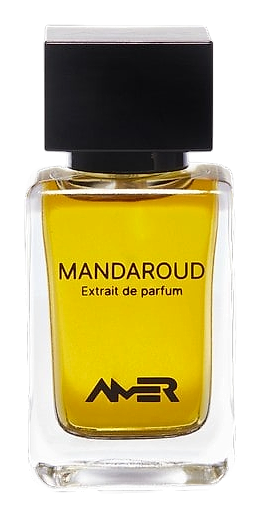
The name says it all, mandarins and oud, two materials that rarely share a composition, let alone drive one. Perfumer Amer Alradhi built Mandaroud around a single tension: the bright, almost bitter citrus of Italian mandarins against the smoky, resinous depth of natural oud. The 2024 release doesn't try to soften either side. It opens sharp and stays that way until the oud decides it's done with you.
What makes the structure unusual is how the oud appears twice, once in the heart, again in the base. Most fragrances treat oud as a single statement. Here it functions as connective tissue, threading through the florals and lasting into the drydown. Osmanthus and magnolia provide the bridge: one fruity, one creamy, both capable of holding space for resinous wood without drowning. The result is a fragrance that reads as one coherent idea rather than a sequence of contrasts.
The evolution
The opening hits hard and fast. Galbanum and bergamot create a citrus-green jolt that dominates the first twenty minutes, bright, almost medicinal, demanding attention. Then rum arrives to sweeten the edges. By the time the heart develops, the citrus has receded but the green hasn't. Oak and osmanthus arrive with a quiet authority. The oud emerges slowly, blending into the florals rather than overwhelming them. This phase lasts the longest, three to four hours of warm, resinous wood. The drydown belongs to sandalwood and vetiver, with tobacco and ambergris adding a quiet animal warmth. Eight hours in, the skin holds a faint trace of smoke and wood. On fabric, it lingers until the next day.
Cultural impact
Mandaroud reflects the growing sophistication of Middle Eastern fragrance houses competing on the global stage. Amer Perfumes, a Saudi Arabian brand, positions this 2024 release as a bridge between traditional regional perfumery and modern minimalism. The use of local oud combined with Italian citrus speaks to a deliberate effort to honor heritage while appealing to international tastes. The galbanum note, while common in French perfumery, appears here in a composition designed for a market that values bold, assertive fragrances over subtlety. This release arrives during a period of expansion for Saudi luxury brands, many of which are investing in signature scents that represent national identity through regional ingredients.