
The Story
Why it exists.
The beginning
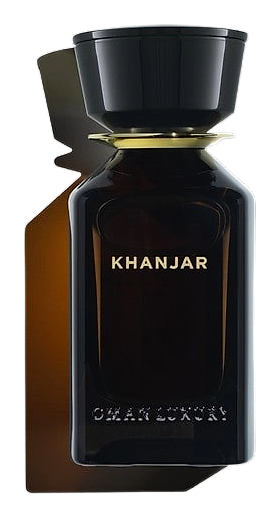
Khanjar takes its name from the traditional Omani ceremonial dagger, a symbol of prestige woven into the fabric of Omani identity for centuries. The brief was simple: capture what it feels like to be in the presence of something that carries weight. The opening, lavender, bergamot, and a calculated hit of davana, mirrors the clean precision of polished metal. There's a crispness here, a brightness that feels deliberate and sharp, like light catching on a blade's edge. The davana adds an unexpected dimension, a subtle herbal quality that prevents the citrus from becoming too conventional. As the top notes settle, they create a bridge to the heart, preparing the senses for what's to come. The heart builds with rose and cedar, the materials of craftsmanship.
The note pyramid here is unusually generous, seven top notes, seven heart notes, thirteen base notes. But the composition doesn't suffer from its own ambition. What makes Khanjar work is the way the opening herbs (lavender, artemisia, davana) create a bridge into the florals before handing off to the deep oriental base. The praline in the drydown is the quiet surprise, it softens the leather without diluting it, preventing the composition from becoming punishing. Davana and artemisia together give the opening a distinctly herbal quality that separates this from the typical oud-leather animalic fare.
The evolution
The opening is a calculated affair. Lavender and bergamot arrive clean, almost soapy, then the davana and artemisia arrive with a bitter herbal bite that shifts the energy entirely. The saffron shows up early, threading warmth through the herbs before the rose opens in the heart. That floral phase lasts maybe thirty minutes before cedar and vetiver take over, grounding the sweetness. By the second hour, the oud is the only story that matters. It is dark, resinous, slightly medicinal, with a depth that unfolds slowly on the skin. The leather underneath it is tanned, not polished. There is a rawness to it, a texture that feels ancient and deliberate. The ambergris adds salt, animal warmth that makes the whole thing smell like skin, not perfume. The drydown holds for hours. When people ask what you are wearing, it is the oud and leather they are responding to, not the opening.
Cultural impact
Khanjar has found its audience among wearers who want Omani oud without the barrier of an intimidating opening. The herbal quality of the davana and artemisia makes the top accessible in a way that pure oud compositions often are not. It offers an entry point into richer, deeper territory without the harshness that can make such fragrances difficult to wear in everyday situations. The fragrance rewards patience, revealing its complexities gradually rather than all at once.