The Story
Why it exists.
The beginning
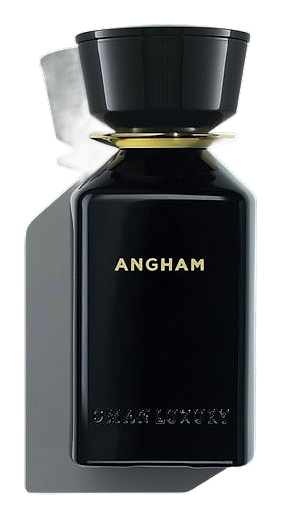
Angham, Arabic for 'melodies', takes its name and its cue from the Royal Opera House in Muscat, Oman. The connection isn't incidental: Omanluxury built its identity on the country's position along the ancient incense routes, and this fragrance was composed as an olfactory performance. The opera metaphor runs through the brief, an opening act, a developing theme, a final resolution that lingers. Emilie Bevierre-Coppermann worked the top notes like a conductor with a restive orchestra: apple and saffron to set the tempo, citrus and clove for texture. The drydown was always meant to be the standing ovation.
What makes Angham unusual is the leather. Not the kind that arrives pre-worn and comfortable, the kind that asserts itself. Ambergris carries the weight here, not just as a fixative but as a character note. On skin that runs warm, benzoin amplifies the sweetness in the base until the vanilla and sandalwood feel almost edible. The iris keeps the florals powdery rather than bright, which prevents the whole composition from tipping into something too sweet. It's a balancing act that earns its complexity.
The evolution
The first thirty minutes are the audition. Apple and saffron arrive sharp and aromatic, on certain skin types, the effect reads almost like gasoline before it settles. The clove gives it bite. Then the geranium and iris take over, and the character shifts from sharp to powdery. Jasmine keeps it from going too austere. By hour two, leather and ambergris have established the drydown. Sandalwood and cedarwood provide structure while benzoin and vanilla add warmth that stays close to the skin. Eight to ten hours is the baseline. On fabric, the leather note can persist into the next day.
Cultural impact
Angham, released by Omanluxury in 2020, arrived during a period when Omani fragrance houses were expanding their international presence. The name references the Arabic word for melody, echoing the brand's connection to the Royal Opera House in Muscat. The composition reflects a growing trend among Middle Eastern perfume houses to blend traditional oud and ambergris elements with contemporary Western olfactive structures, particularly the fruity-spicy combinations that gained global popularity in the 2010s. Angham's use of apple and saffron at the opening positions it within a specific aesthetic that bridges Eastern and Western preferences, creating a fragrance that feels simultaneously familiar to international audiences and rooted in regional perfumery traditions.