The Heritage
The Story of Omanluxury
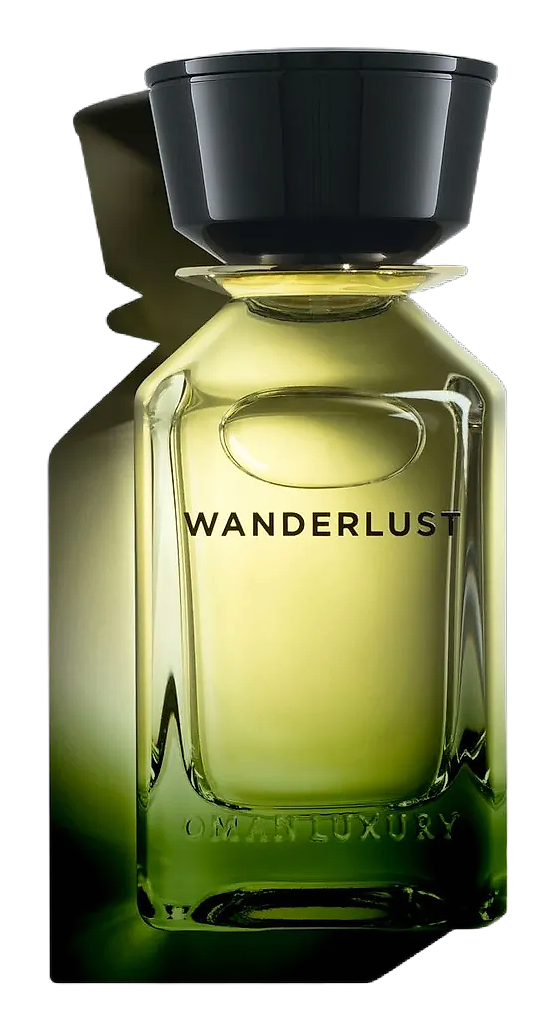
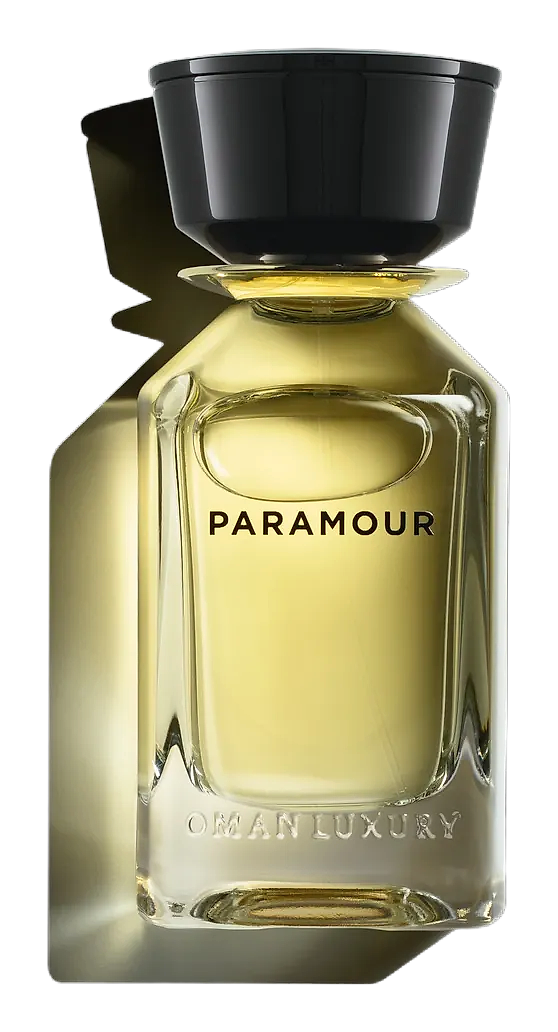
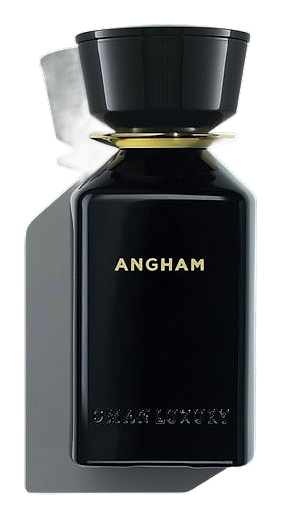
Omanluxury is an independent perfume house founded in 2012 that creates fragrances inspired by Oman's cultural heritage and natural resources. The house operates from within the sultanate, positioning itself within the regional tradition of Arabian perfumery that centers on natural oud and incense materials. Omanluxury reintroduced itself to the market in October 2020, marking a renewed focus on international visibility while maintaining its regional identity. The brand produces scents that reference Oman's historical significance in the perfume trade, drawing on the sultanate's legacy as a center for agarwood cultivation and frankincense sourcing. Notable releases include Paramour, Angham, Zafar, and the Wanderlust series, spanning 2020 through 2025. The house operates as one of several independent fragrance makers emerging from the Arabian Peninsula in recent decades, contributing to a broader landscape of regionally-rooted niche perfumery.
Heritage
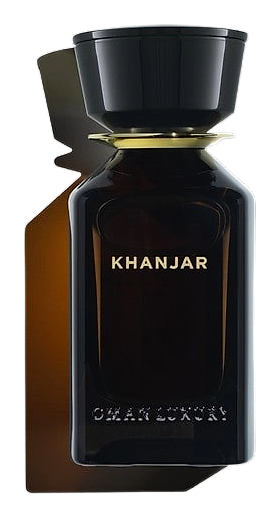
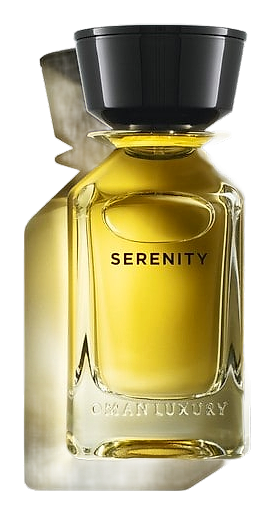
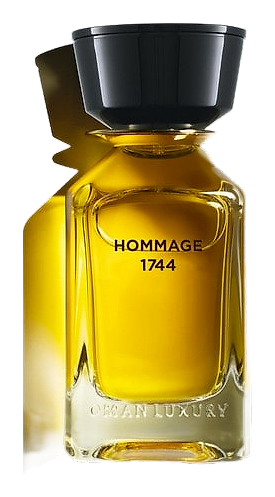
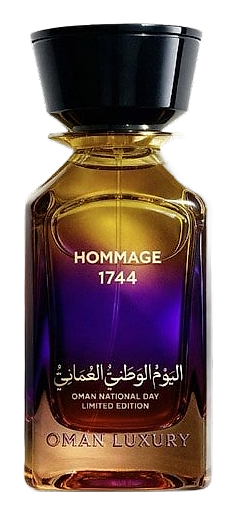
Omanluxury was established in 2012 by three founders: Muatasim, Muadh, and Ahmed. The founding occurred in Muscat, Oman's capital, where the brand began developing fragrances rooted in local perfumery traditions. The founders reportedly sought to create perfumes that function as olfactory expressions of the region, translating Oman's landscape, materials, and cultural history into scent compositions. The brand's early years focused on establishing production and building a catalog of signature scents. During this period, Omanluxury developed fragrances including Serenity, Oud Aquilaria, Khanjar, Royal Incense, Paramour, and Angham, all released around 2020. These early offerings centered on Arabian perfumery materials, with particular attention to oud and incense themes. In October 2020, the house underwent a significant reintroduction, marking a renewed phase of international outreach. This repositioning drew attention from fragrance communities and reviewers, particularly through platforms such as YouTube and dedicated perfume sites. The MADE IN OMAN video series and similar independent reviews helped establish awareness among global niche fragrance enthusiasts. The brand has incorporated references to Oman's historical significance in its narrative, including a fragrance crafted in tribute to the founding of the Al Busaid state in 1744 by Imam Ahmed bin Said. This approach connects the perfume house to the broader historical context of the sultanate, positioning its creations within a lineage of Arabian perfumery that predates modern commercial fragrance production.
Craftsmanship
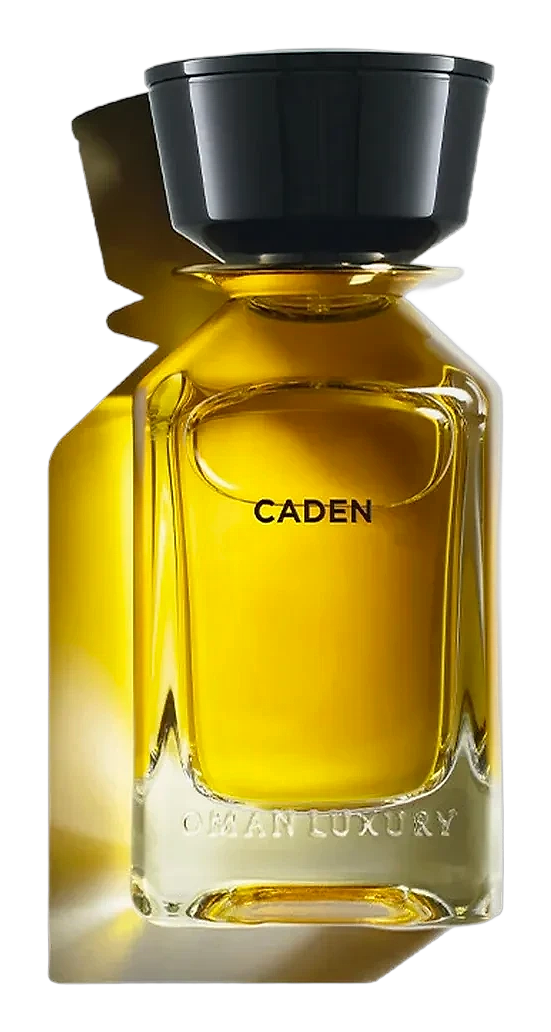
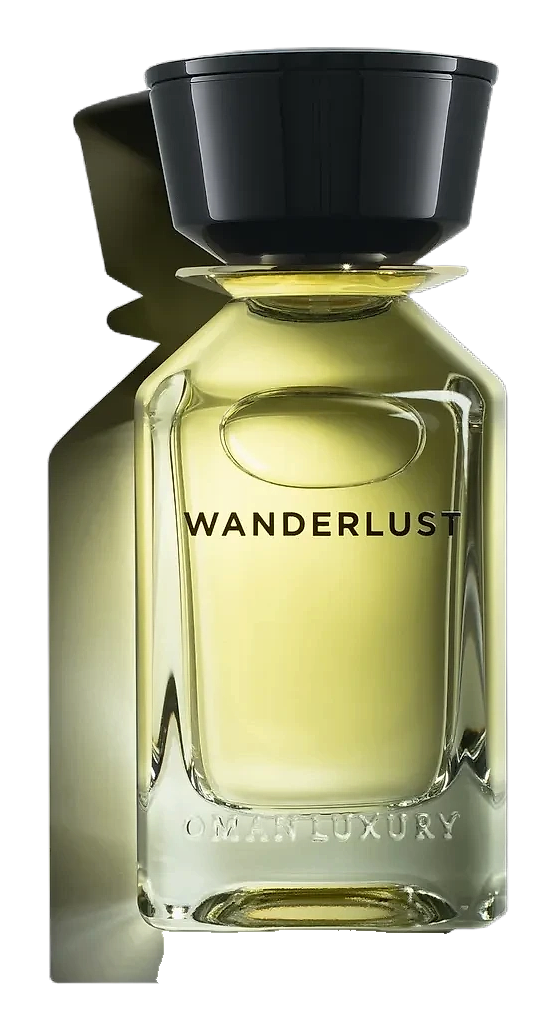
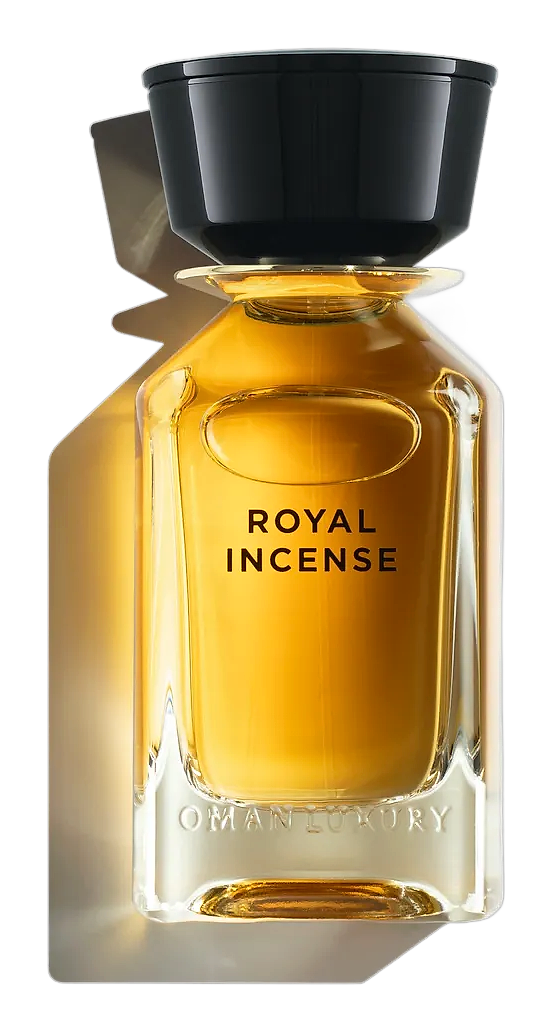
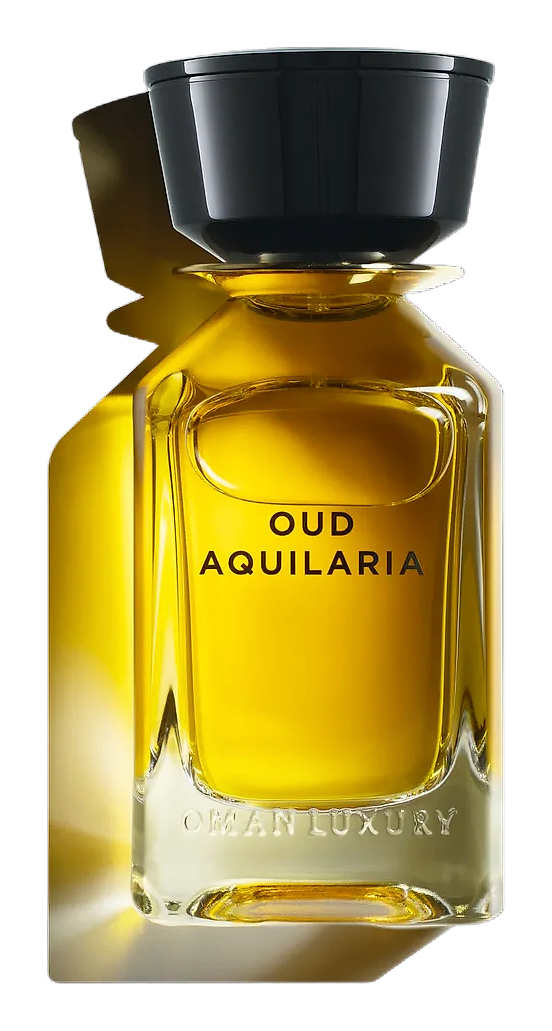
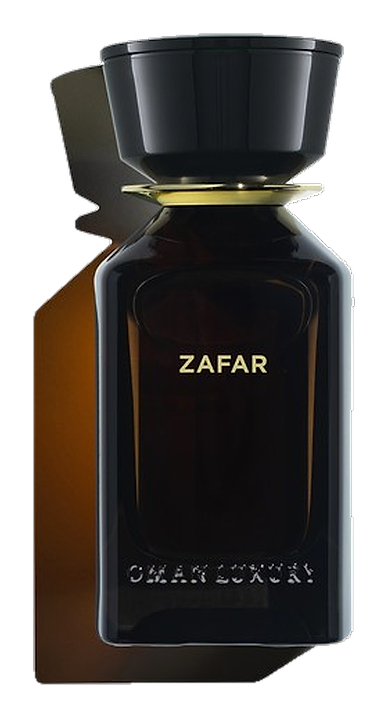
Omanluxury produces fragrances with an emphasis on natural materials, particularly agarwood (oud) and frankincense, which form the foundation of many regional perfume traditions. The house sources ingredients through established supply channels within the Arabian Peninsula, where Oman has historically served as a key hub for agarwood cultivation and trade. The fragrance development process involves composition work that blends traditional Arabian materials with contemporary perfumery techniques. The brand's catalog includes both oud-focused compositions and lighter interpretations that incorporate incense, rose, amber, and woody base notes. Notable releases such as Oud Aquilaria center specifically on the agarwood theme, while Wanderlust explores different regional inspirations through its various iterations. The house has released multiple fragrance lines since its founding, with concentrated output around 2020, including Paramour, Angham, Serenity, Royal Incense, Oud Aquilaria, and Khanjar. Later releases such as Zafar (2022) and the Wanderlust 2023 Edition expanded the catalog into additional thematic territory. The Caden release in 2025 indicates continued production and development. Omanluxury operates within the independent niche fragrance category, where production transparency varies. The brand presents itself as a bespoke perfumery operation, though specific details about formulation, ingredient provenance, or manufacturing processes remain limited in publicly available sources. The house's positioning as an Omani perfume house provides geographic authenticity, connecting the brand to a region with documented historical significance in natural perfume materials.
Design Language
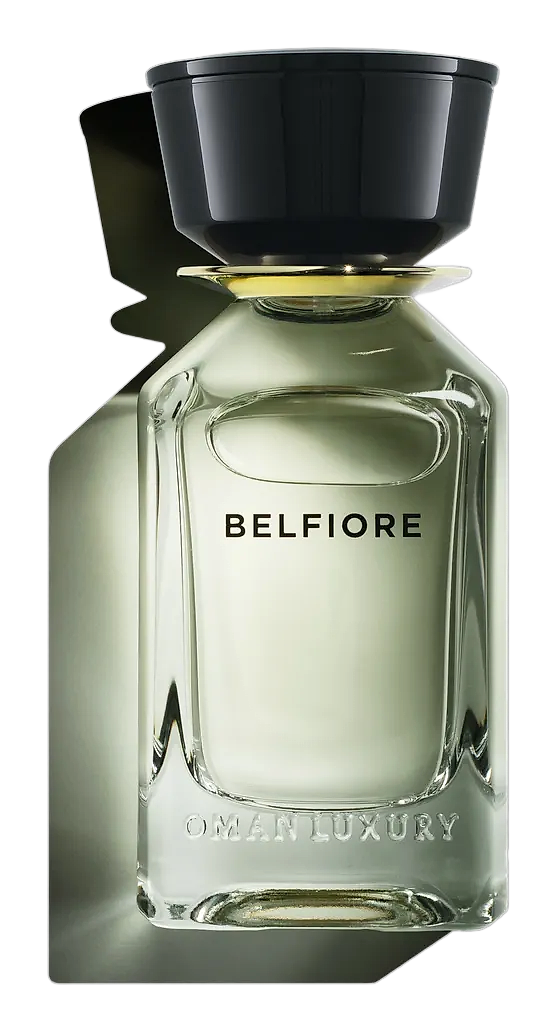
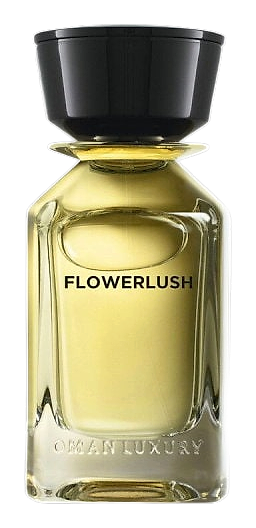
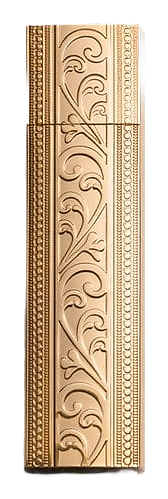
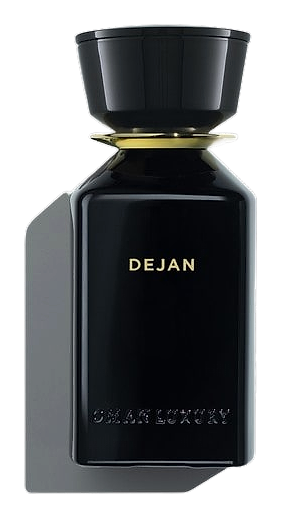
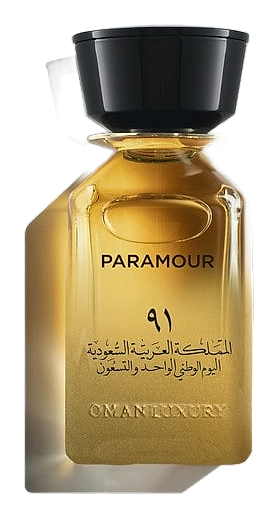
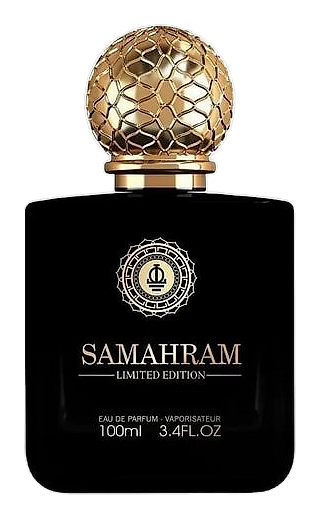
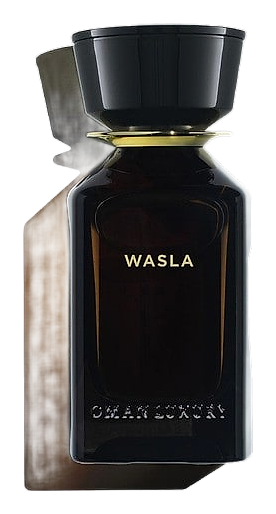
Omanluxury's visual identity draws on Oman's architectural and cultural heritage. The brand logo reportedly references the founding of the Al Busaid state in 1744, incorporating design elements that evoke the historical legacy of the sultanate. This approach positions the brand within a narrative of cultural continuity and national identity. The bottle designs for the house reflect Arabian luxury aesthetics, combining geometric forms with materials and finishes associated with regional craftsmanship. Packaging choices emphasize substance over ostentation, with a preference for clean lines and understated presentation. This visual language communicates cultural rootedness while maintaining the minimal sophistication expected in the niche fragrance market. The brand's aesthetic extends to its presentation across platforms, where messaging emphasizes heritage, authenticity, and the connection between place and scent. Photography and design work reinforce the Omani identity through color palettes, typography choices, and the incorporation of traditional motifs. This consistent aesthetic approach helps establish recognition and communicates the brand's positioning as culturally specific rather than broadly generic. The brand's public-facing materials avoid the hyperbole common in mainstream fragrance marketing, maintaining a measured editorial tone that suits the niche audience. This restraint in presentation reflects the house's orientation toward serious fragrance enthusiasts rather than casual consumers, contributing to the brand's credibility within specialist communities.
Philosophy
Omanluxury approaches perfumery as a vehicle for cultural expression, creating fragrances that translate regional identity into sensory form. The house emphasizes authenticity in its scent development, drawing on materials and techniques associated with Arabian perfumery traditions. This orientation places cultural specificity above universal appeal, positioning the brand within the niche fragrance segment rather than the mass market. The founders reportedly conceived the brand as a response to a gap in the market for perfumes that genuinely reflect Omani olfactory heritage, rather than Western interpretations of Middle Eastern scents. This intent shapes the brand's creative direction, which prioritizes materials such as natural oud, frankincense, and other ingredients indigenous to the Arabian Peninsula. Omanluxury's philosophy extends to the naming and conceptualization of its fragrances. Names like Zafar, Khanjar, and Royal Incense reference Omani cultural and historical elements. Paramour and Serenity suggest emotional or atmospheric qualities rather than ingredient-focused descriptions. This naming strategy communicates cultural roots while maintaining accessibility for international audiences. The house appears to value longevity and depth in its compositions, favoring concentrated formulas and rich material usage over lighter, more transient constructions. This approach aligns with regional preferences for long-lasting scents and contributes to the brand's positioning within the oud-focused niche category.
Key Milestones
2012
Omanluxury founded in Muscat by Muatasim, Muadh, and Ahmed
2020
Brand reintroduces itself to the market, launching multiple fragrances including Serenity, Oud Aquilaria, Royal Incense, Paramour, Angham, and Khanjar
2022
Release of Zafar fragrance, expanding the brand's catalog with a new composition
2023
Launch of Wanderlust 2023 Edition, building on the original Wanderlust release from 2020
2025
Release of Caden, marking continued production and catalog development
At a Glance
Brand profile snapshot
Origin
Oman
Founded
2012
Heritage
14
Years active
Collection
7
Fragrances released
Avg Rating
4.2
Community sentiment
Release Rhythm


