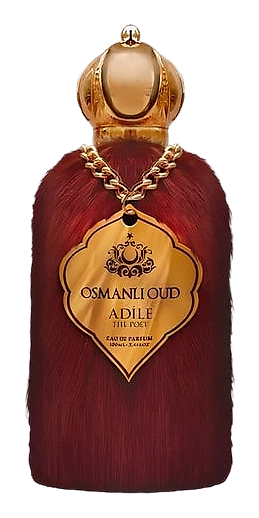
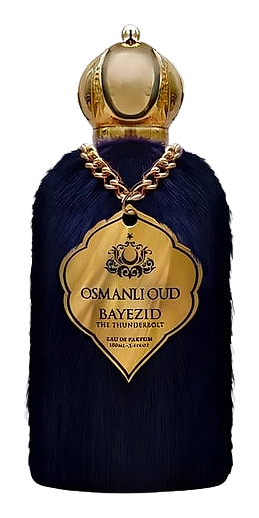
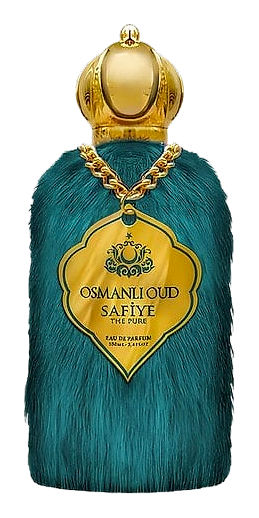
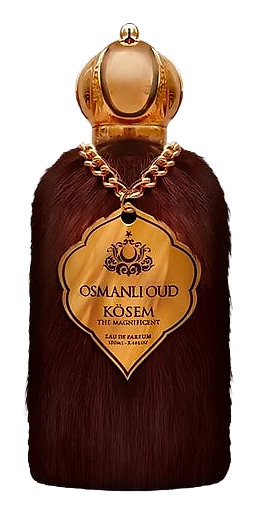
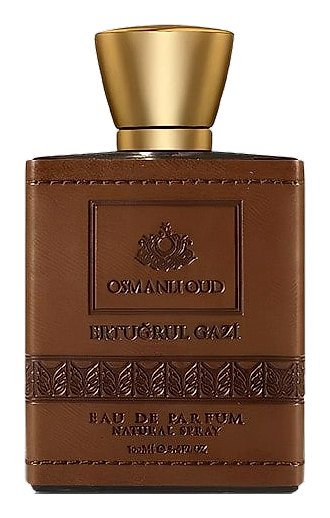
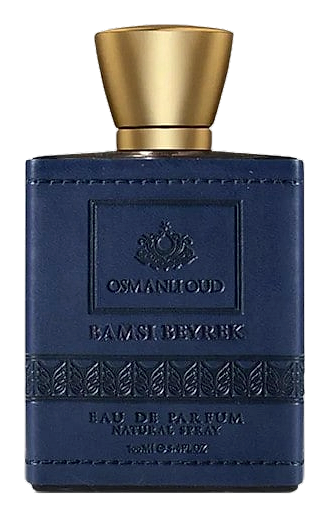
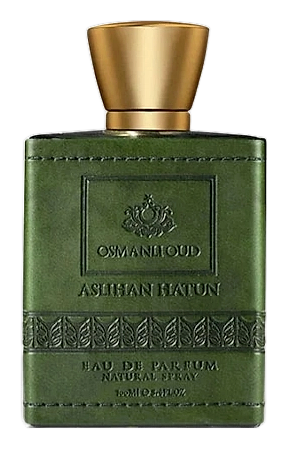
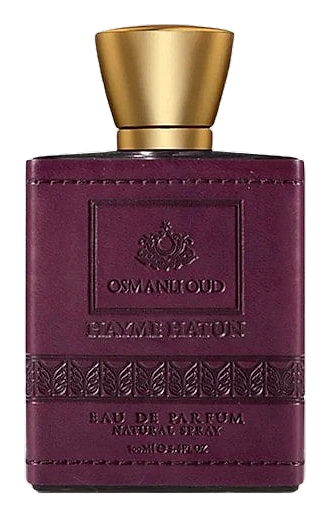
The Heritage
The Story of Osmanli Oud
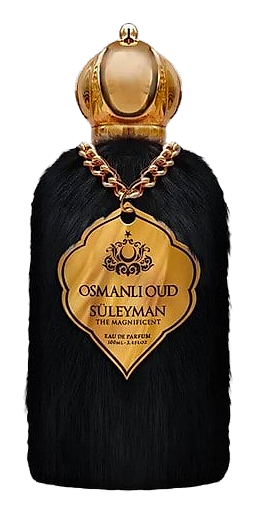
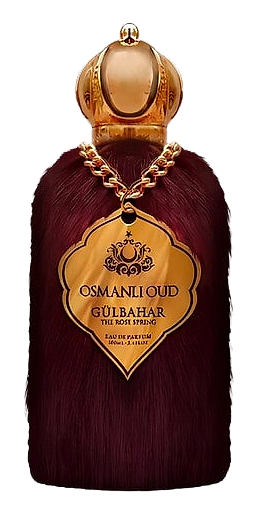
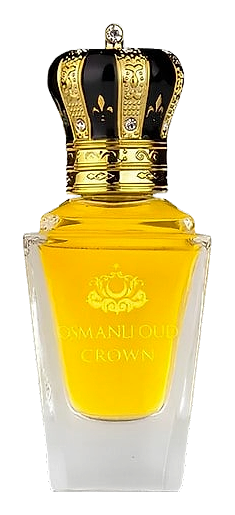
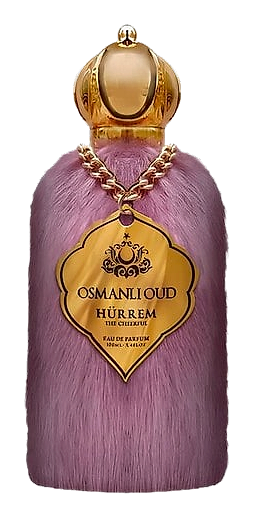
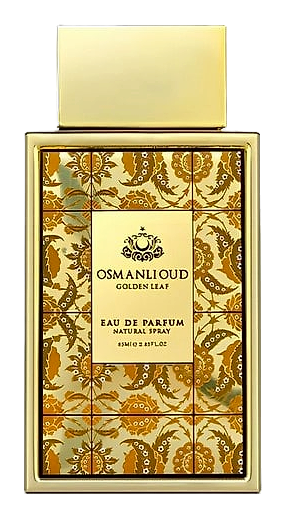
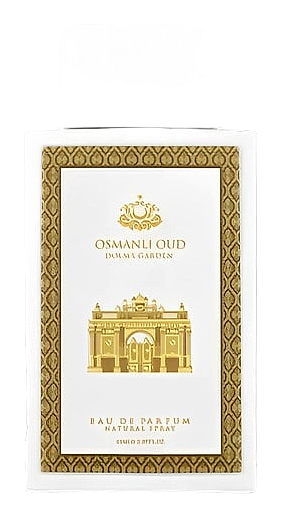
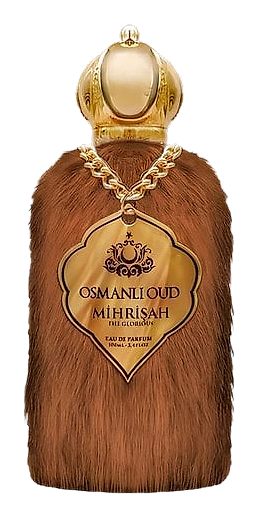
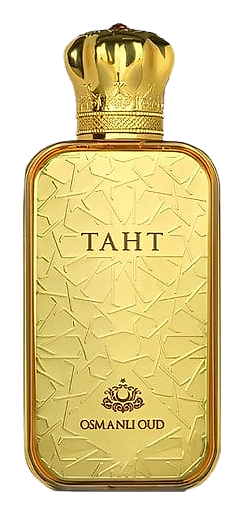
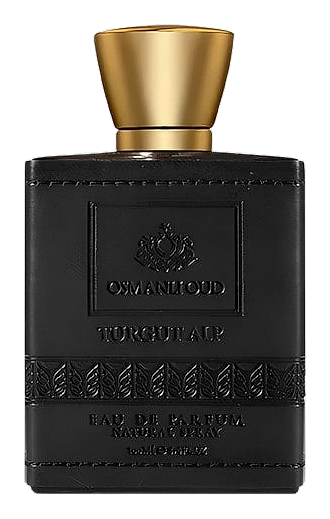
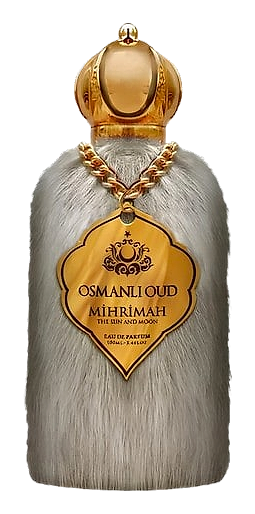
Osmanli Oud is a fragrance house that translates the cultural legacy of the Ottoman Empire into scented oils, perfumes and incense. Based in Muscat, the brand offers a line of olfactory compositions that reference historic figures, architecture and traditional materials. Its portfolio includes scents such as Dolma Garden (2024), Hürrem the Cheerful, Taht and Bayezid The Thunderbolt, each named after a person or place from Ottoman history. Osmanli Oud positions its products as a bridge between heritage and contemporary perfumery, inviting collectors and casual users alike to explore a narrative through aroma.
Heritage
The story of Osmanli Oud begins in 1983 when a decree from Sultan Qaboos Said Hamad bin Hamoud Abu Said, a member of Oman's royal family, called for the creation of a perfume house that would honor the Ottoman past. The initial workshop opened in a modest facility in Muscat, employing local artisans trained in traditional distillation techniques. By the early 1990s the brand expanded its catalogue to include incense blends used in ceremonial settings, a move documented in a 1994 feature in Gulf News. In 2001 Osmanli Oud launched its first bottled perfume, Taht, named after the Ottoman throne, marking a shift from pure incense to modern perfume formats. The 2010s saw a series of releases that referenced Ottoman royalty, such as II. Mehmed the Conqueror (2015) and Kösem The Magnificent (2018), each accompanied by limited‑edition packaging that echoed historic calligraphy. In 2022 the house opened a flagship boutique in Muscat’s Al Qurum district, offering a curated space for scent discovery and education. Throughout its four‑decade history the brand has maintained a partnership with regional growers of agarwood, rose and ambergris, ensuring a supply chain rooted in the same geographic area that inspired its thematic focus. Recent interviews with the brand’s creative director, published in Fragrantica in 2024, confirm a continued emphasis on archival research and collaboration with historians to keep the narrative authentic.
Craftsmanship
Production at Osmanli Oud follows a multi‑stage protocol that blends traditional methods with modern quality controls. Raw materials arrive at the Muscat facility after a verification process that checks botanical identity and purity. Agarwood chips are steam‑distilled in copper stills, a technique documented in Ottoman perfumery manuals, while rose petals undergo cold‑press extraction to preserve volatile aromatics. The resulting essential oils are blended in stainless‑steel vats under the supervision of a senior perfumer, who adjusts ratios based on sensory panels that include historians and scent experts. Each batch is aged for a minimum of six months in temperature‑controlled rooms, allowing the components to integrate fully. Quality assurance includes gas chromatography analysis to confirm the presence of target molecules such as sesquiterpenes in agarwood and phenyl ethyl alcohol in rose. Bottles are hand‑filled in a clean‑room environment, sealed with corks sourced from sustainable cork oak forests, and inspected for visual defects before packaging. The brand also produces incense sticks using a hand‑rolled technique that dates back to the 16th century, ensuring a consistent burn rate and fragrance release. All steps are recorded in a digital ledger, providing traceability from farm to final product.
Design Language
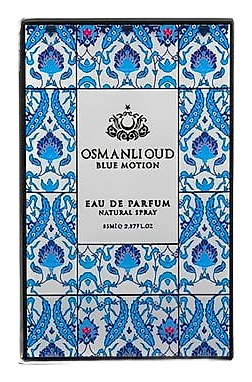
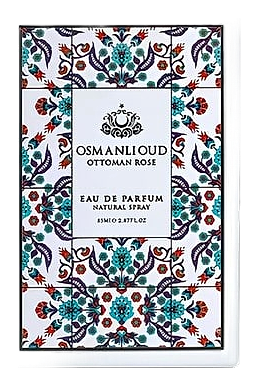
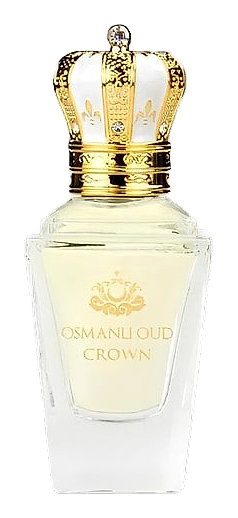
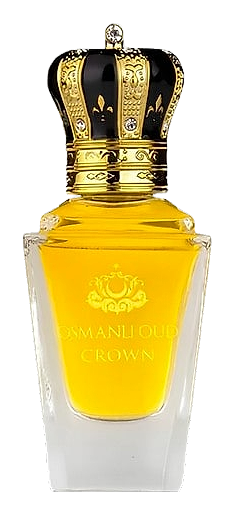
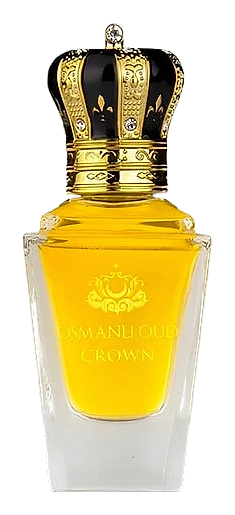
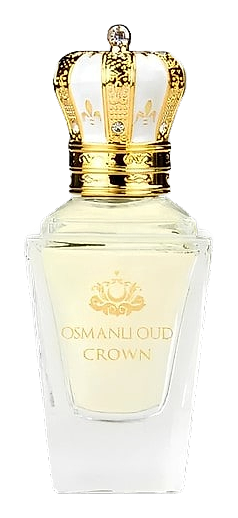
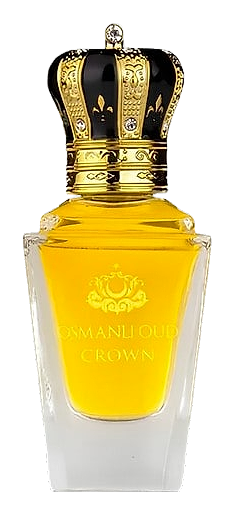
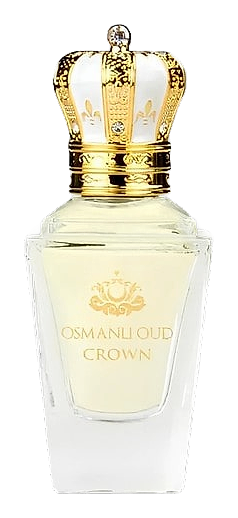
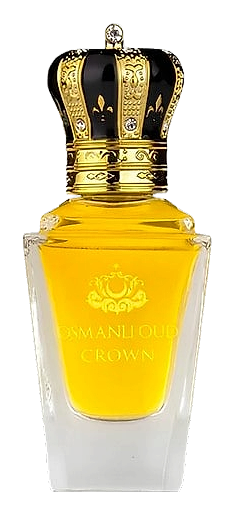
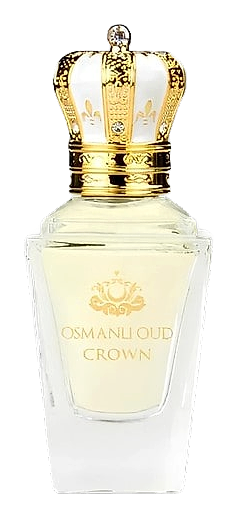
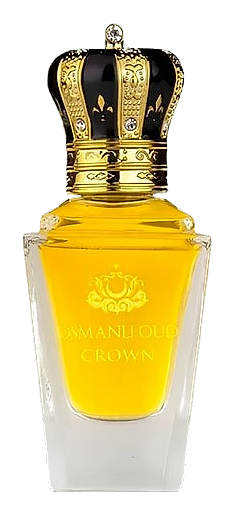
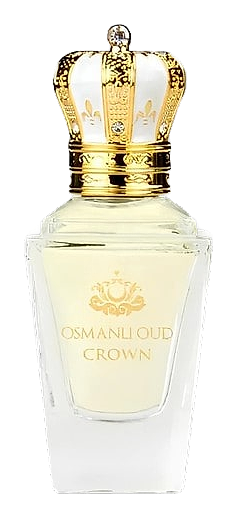
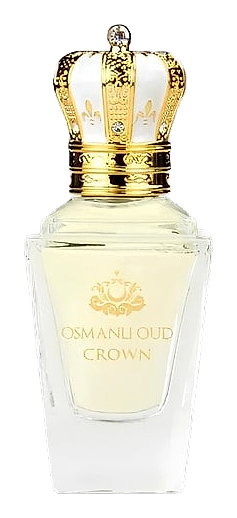
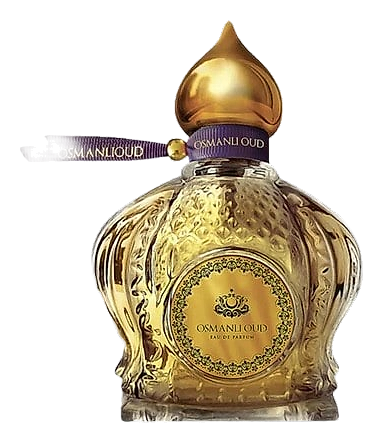
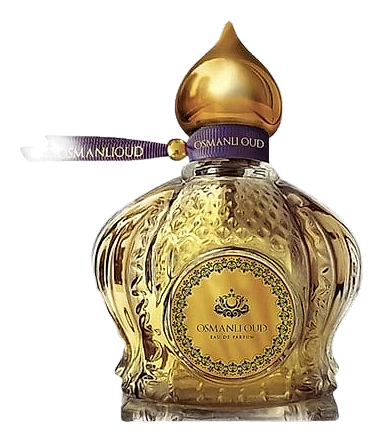
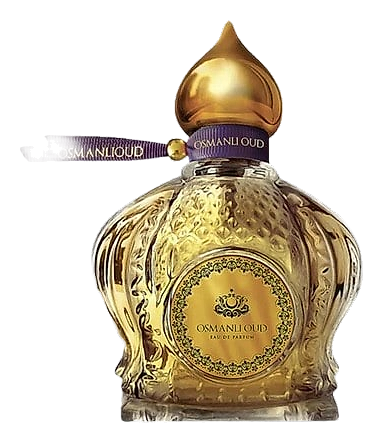
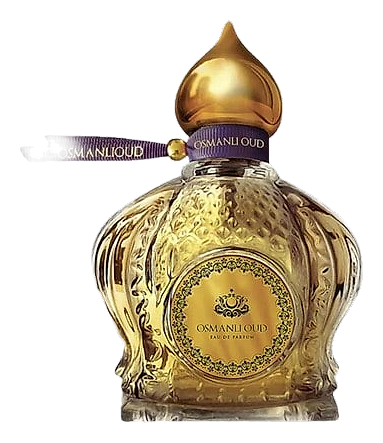
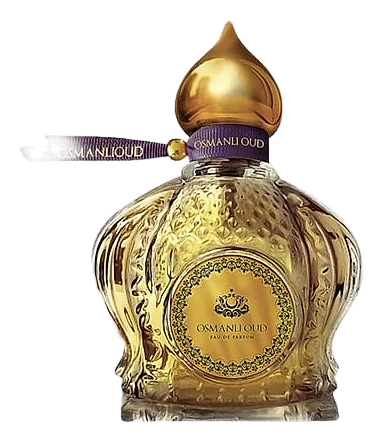
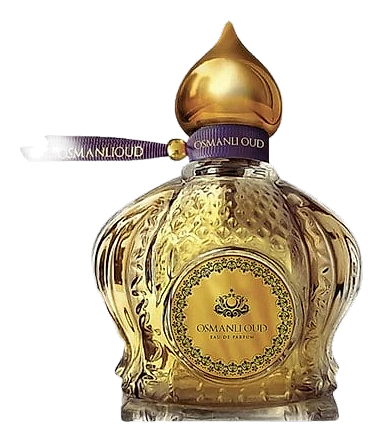
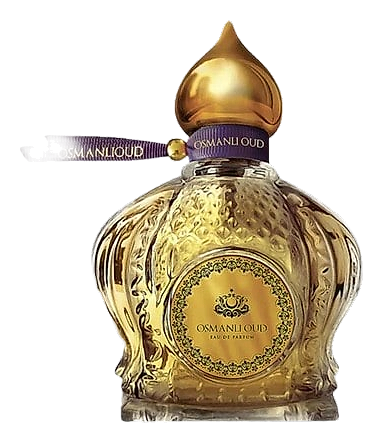
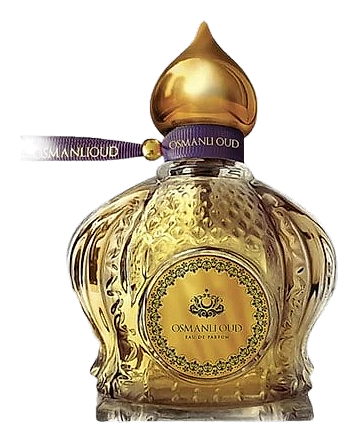
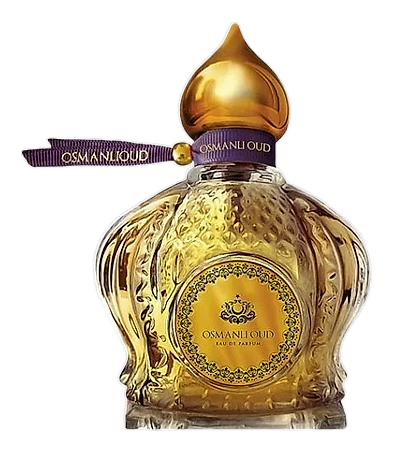
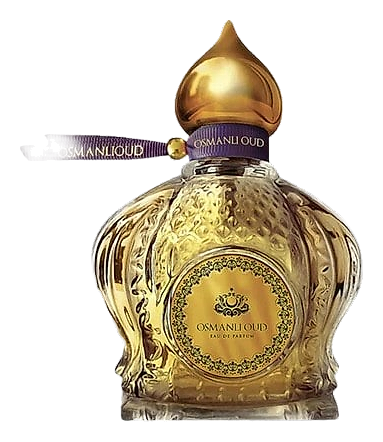
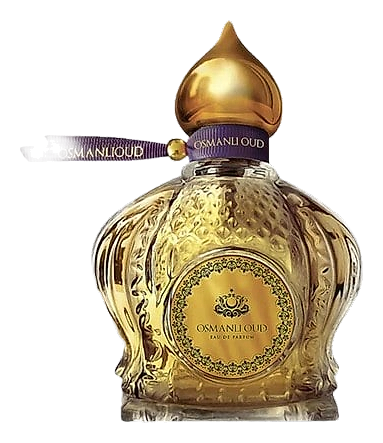
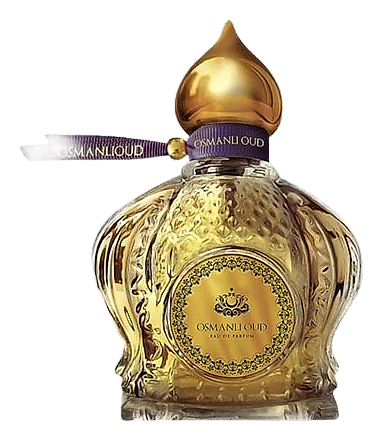
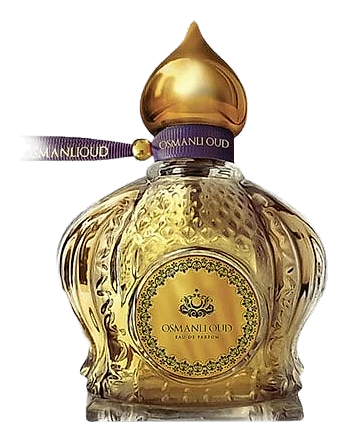
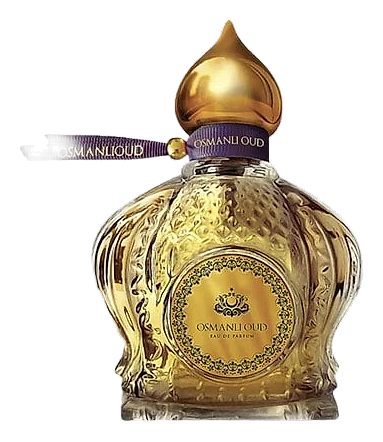
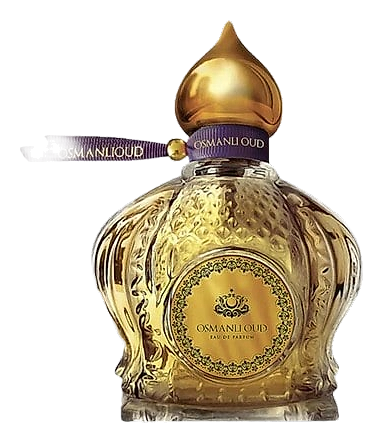
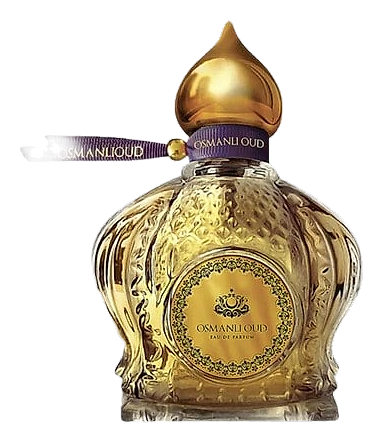
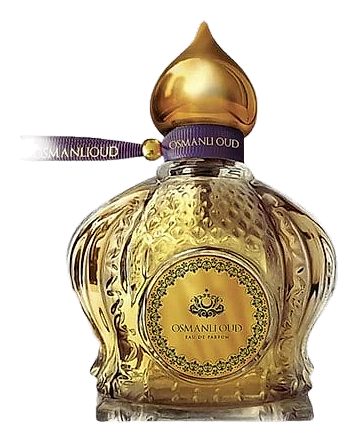
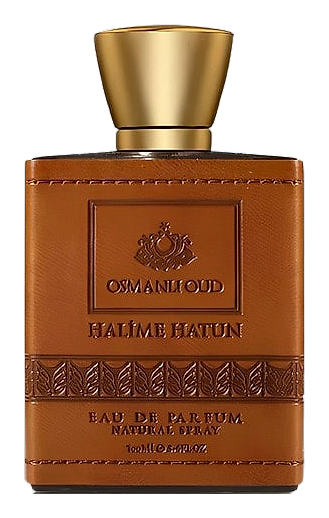
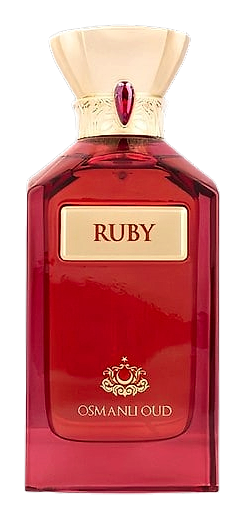
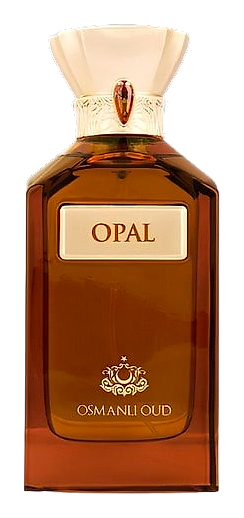
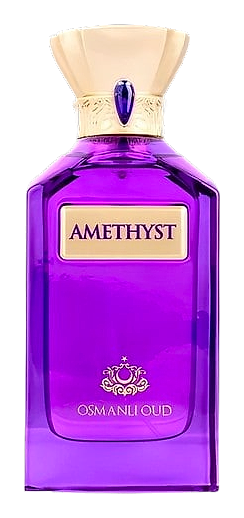
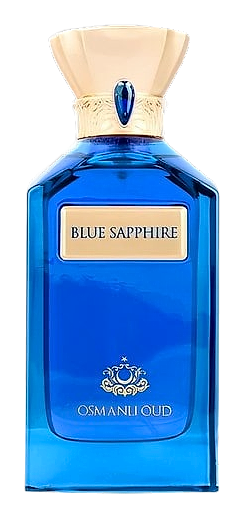
The visual language of Osmanli Oud draws directly from Ottoman decorative arts. Bottle silhouettes echo the curvature of traditional ceramic tiles, while the glass is often tinted amber to suggest aged parchment. Labels feature Arabic calligraphy rendered in a style reminiscent of imperial decrees, with gold foil accents that highlight the name of the fragrance. The brand’s logo incorporates a stylized tulip, a motif frequently found in Ottoman textiles. Packaging boxes are crafted from thick, matte paper printed with geometric patterns derived from Seljuk architecture; the interior often includes a brief historical note about the figure or place that inspired the scent. In the flagship boutique, display tables are made of dark walnut, and walls are adorned with reproductions of Ottoman miniatures, creating an immersive environment that aligns the olfactory experience with visual heritage. The overall aesthetic balances restraint with richness, avoiding overt flashiness while still signaling a connection to historic opulence.
Philosophy
Osmanli Oud approaches perfumery as a form of storytelling. The house believes that scent can convey the texture of a palace hallway, the spice of a market bazaar or the solemnity of a royal decree. Its creative process begins with archival research; designers examine Ottoman court records, poetry and architectural sketches before selecting a scent family. The brand values authenticity, sourcing raw materials from regions historically linked to the empire, such as agarwood from Indonesia, Turkish rose from Isparta and frankincense from Oman. It avoids synthetic shortcuts, preferring natural extracts whenever feasible. Sustainability is a stated priority: the company works with certified growers and supports reforestation projects in agarwood‑producing areas. Transparency guides its labeling, with each bottle listing the origin of its key ingredients. By aligning fragrance creation with cultural preservation, Osmanli Oud aims to offer more than a pleasant aroma; it seeks to educate consumers about the empire’s artistic and botanical heritage.
Key Milestones
1983
Royal decree authorizes the founding of Osmanli Oud in Muscat.
1994
Gulf News profiles the brand’s early incense production and regional sourcing.
2001
Launch of the first bottled perfume, Taht, marking entry into modern perfumery.
2015
Release of II. Mehmed the Conqueror, accompanied by limited‑edition calligraphic packaging.
2022
Opening of a flagship boutique in Al Qurum, Muscat, featuring a scent library and historical exhibits.
2024
Dolma Garden introduced; Fragrantica publishes an interview with the creative director about archival research.
At a Glance
Brand profile snapshot
Origin
Oman
Founded
1983
Heritage
43
Years active
Collection
2
Fragrances released
Avg Rating
3.1
Community sentiment
Release Rhythm


