
The Story
Why it exists.
The beginning
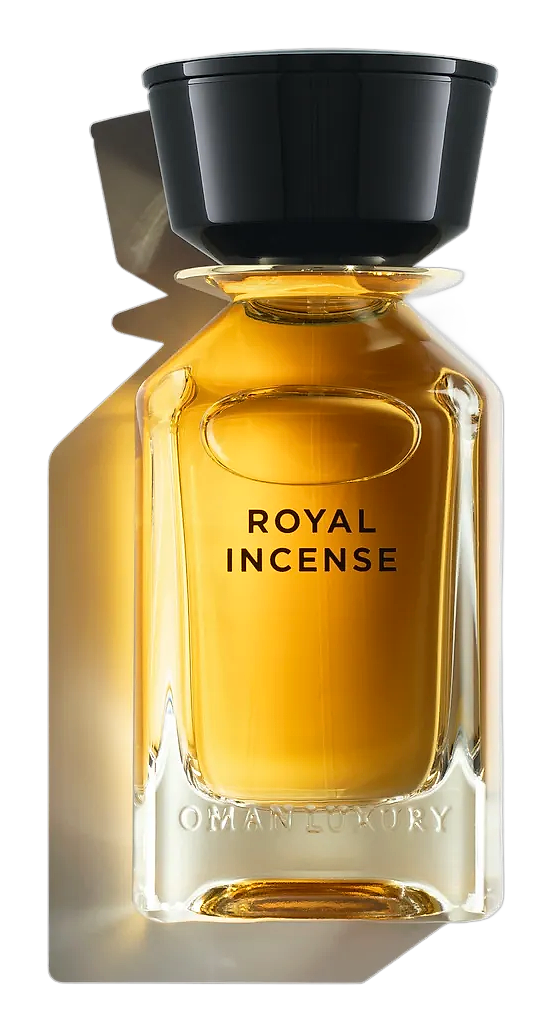
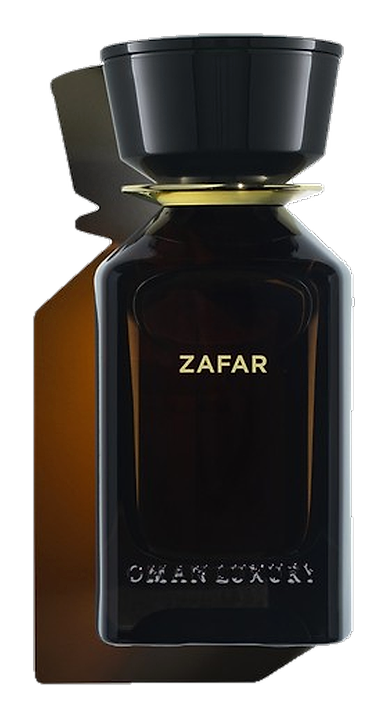
Zafar means victory. Not the kind you announce, the kind you earn by showing up, settling in, and being worth remembering. Omanluxury built this fragrance around that idea. The house works with natural oud and frankincense, composed with patience. Pierre-Constantin Guéros structured this around a duality: rose and pink pepper open bright and sharp, then let the oud arrive on its own terms. The white florals keep the composition from becoming heavy. Frankincense and iris introduce powder, warmth, a hint of incense smoke. By the time the base arrives, oud, sandalwood, amber, and vanilla, the fragrance has already made its point. The result is a scent that unfolds with intention, never rushing the narrative but drawing the wearer deeper with each passing hour.
The pyramid is unusually vertical for an oud fragrance. Zafar's heart arrives quickly and doesn't leave quietly, dense with white florals, jasmine, orange blossom, lily of the valley, that establish themselves with confidence before the base begins to emerge. Iris adds a powdery dimension that bridges the freshness of the top notes and the warmth of the base. Frankincense and cinnamon give the heart a smoky, warm spice that prevents the florals from reading as delicate. This architectural approach means the fragrance breathes across the skin, each layer visible without competing for attention.
The evolution
The opening hits like a door opening onto a spice market. Rose and bergamot arrive sharp and immediate, bright enough to cut through the winter air. Pink pepper crackles at the edges. There's a citrussy zest here that doesn't apologize for itself. Then the fragrance shifts. Orange blossom and jasmine emerge from underneath the brightness, not replacing it but complicating it, adding a warm, slightly sweet floral layer that starts to soften the edges. Lily of the valley keeps things green and dewy. Cinnamon adds warmth. Frankincense introduces smoke, faint at first, then more present. Iris is the quiet operator, it adds powder without announcing itself. By the second hour, the top notes have retreated and the heart owns the composition. The florals are still there, but now they're warm, almost edible, underscored by smoke and a growing amber richness. This is where the fragrance starts to feel like itself. The base arrives not as a statement but as a landing. Oud anchors everything, deep, resinous, slightly animalic.
Cultural impact
Zafar occupies a distinctive space among rose-oud compositions, its structure centered on a warm, powdery heart rather than an immediate base presence. The fragrance appeals to wearers who appreciate oud but find many compositions in the category overwhelming on first application. The drydown has resonated with those who seek something intimate and personal. The animalic and indolic facets of the opening generate divided reactions, with some wearers embracing the raw intensity as defining the scent's character, while others find it takes time to appreciate.
The House
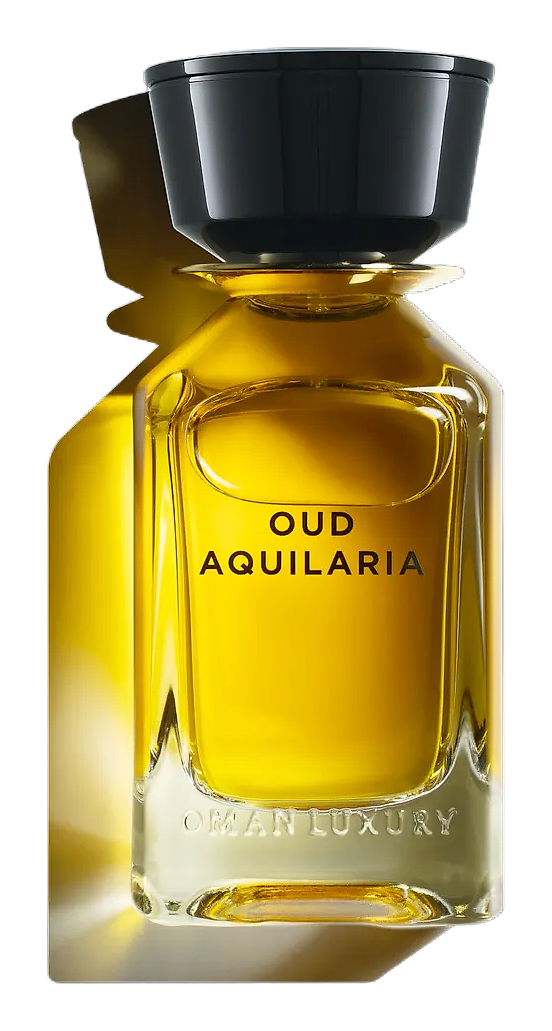
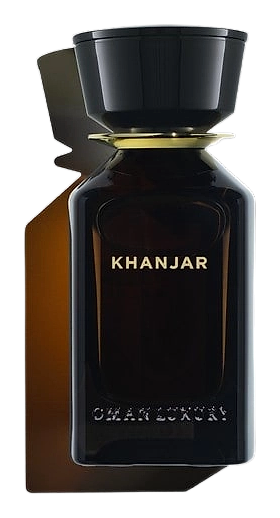
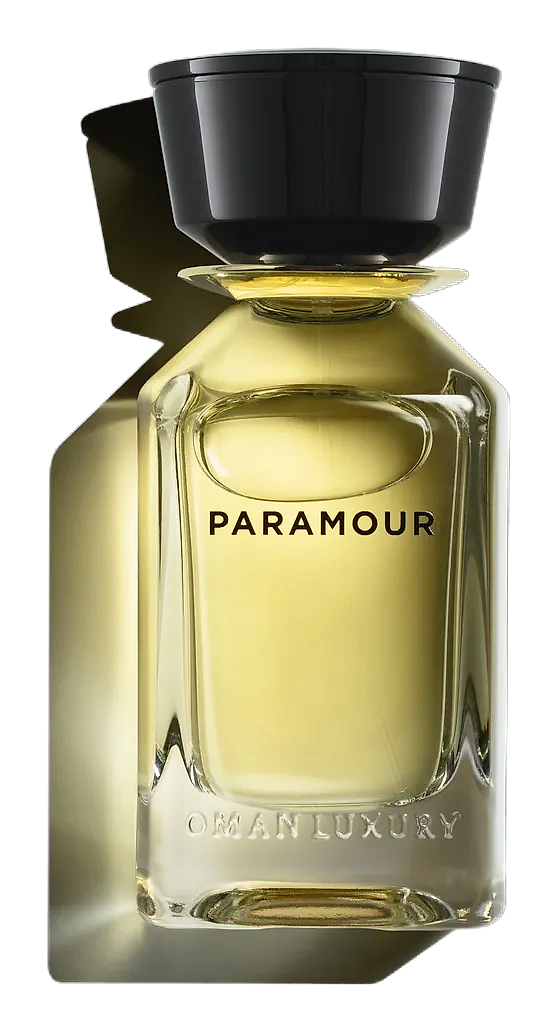
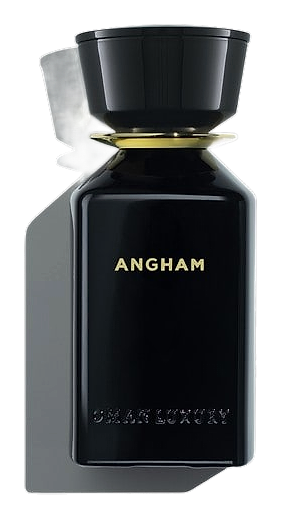
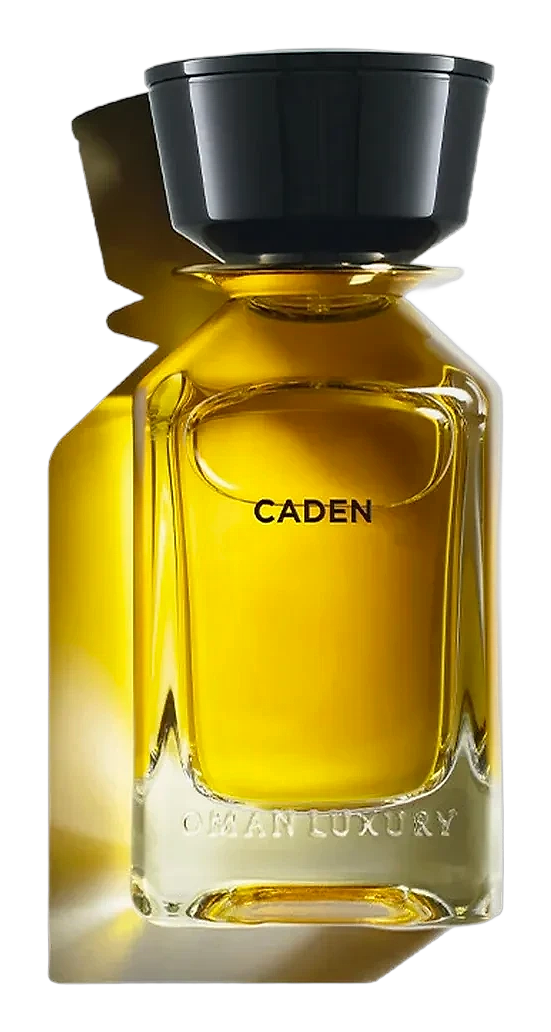
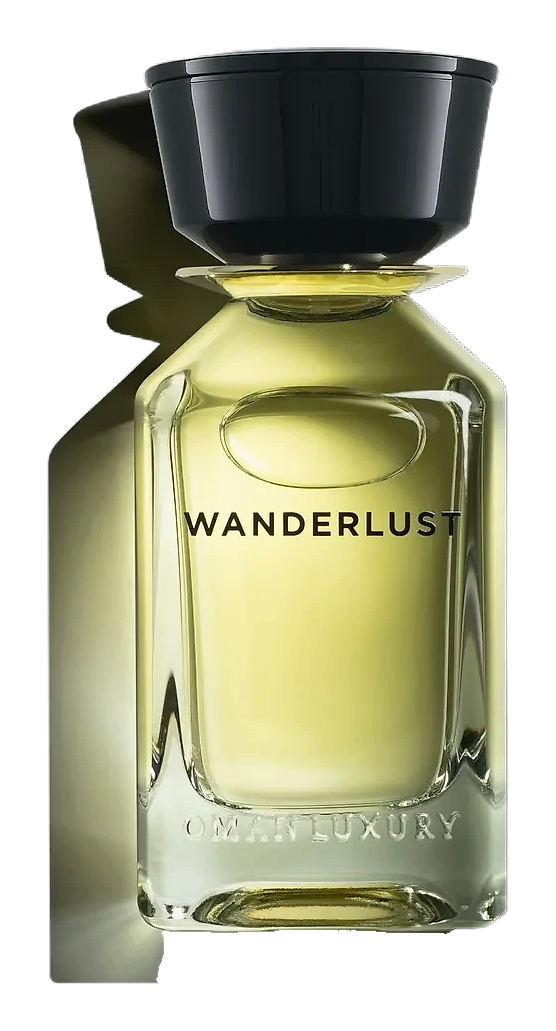
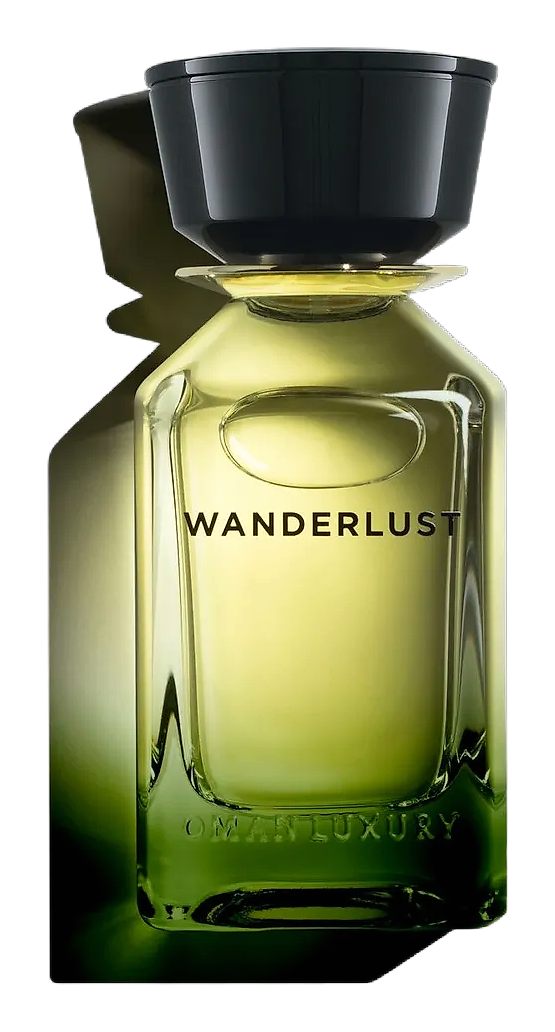
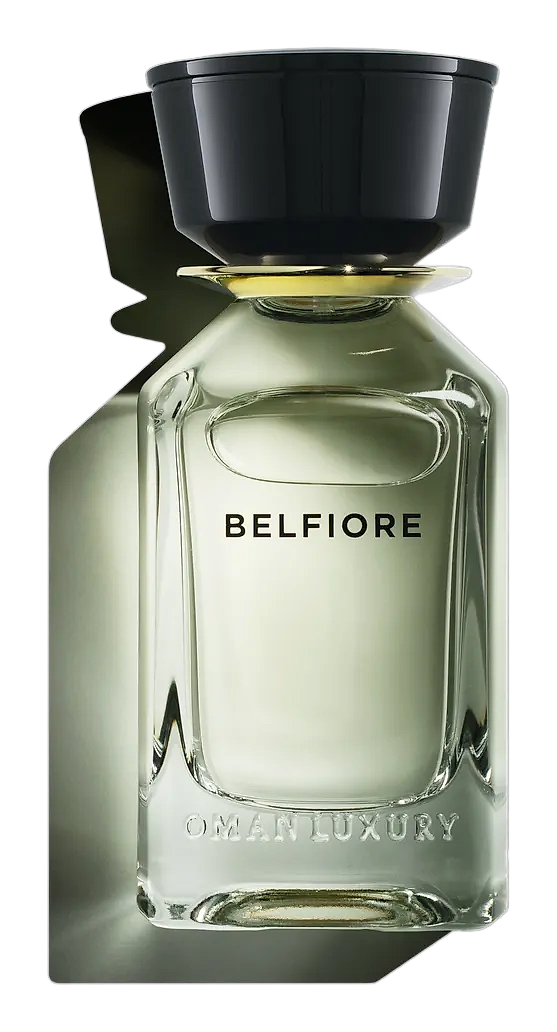
OmanluxuryOmanluxury is an independent perfume house founded in 2012 that creates fragrances inspired by Oman's cultural heritage and natural resources. The house operates from within the sultanate, positioning itself within the regional tradition of Arabian perfumery that centers on natural oud and incense materials. Omanluxury reintroduced itself to the market in October 2020, marking a renewed focus on international visibility while maintaining its regional identity. The brand produces scents that reference Oman's historical significance in the perfume trade, drawing on the sultanate's legacy as a center for agarwood cultivation and frankincense sourcing. Notable releases include Paramour, Angham, Zafar, and the Wanderlust series, spanning 2020 through 2025. The house operates as one of several independent fragrance makers emerging from the Arabian Peninsula in recent decades, contributing to a broader landscape of regionally-rooted niche perfumery.
The Creator
Pierre-Constantin GuérosGuéros’s style blends classic French structure with an adventurous use of modern synthetics. He often starts with a clear base—cedar, sandalwood or leather—then introduces unexpected accents such as metallic ionics, lab‑grown ambergris or rare resins from Madagascar.