
The Story
Why it exists.
The beginning
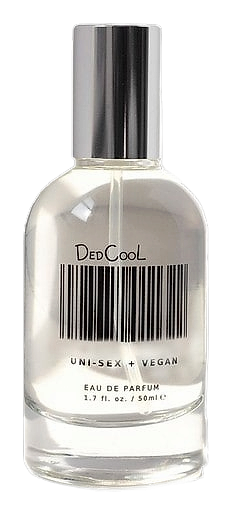
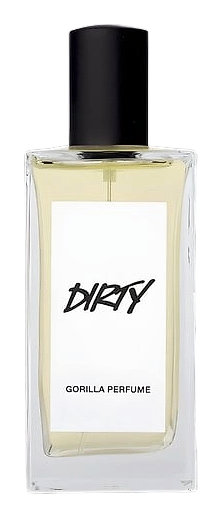
Dirty started as a provocation. A name that sounds wrong for what it smells like. The brief was simple: take something intensely fresh and make it yours. Spearmint, tarragon, thyme. Herbs that bite. Sandalwood that holds. The name did the work before the fragrance did. It wasn't trying to be clean. It wanted to be the thing people reach for when nothing else is sharp enough.
The structure here is a study in contrast. A top so aggressive it borders on clinical, then a heart that softens the edges without disappearing. The sandalwood base is the real move. Most mint fragrances evaporate or turn soapy. Dirty anchors itself with creamy, woody warmth that extends the wear by hours. Oakmoss adds earthiness. Neroli adds a whisper of floral. This isn't mint as a novelty. It's mint as a commitment.
The evolution
The opening is spearmint at full intensity. No preamble. It arrives cold, bright, almost medicinal in its precision. That sharpness holds for the first hour while tarragon and thyme build underneath. By hour two, the herbs have settled into something quieter, the mint still present but less aggressive. The sandalwood begins its slow emergence, adding warmth and cream. The drydown is where it earns its name. The mint fades to a cool whisper. The herbs recede. What remains is sandalwood and oakmoss, intimate and close. On clothes, it lingers longer than on skin. The next morning, a faint herbal warmth. Not dirty. Just aware of itself.
Cultural impact
Dirty has sustained a following since its 2011 launch through sheer persistence. The mint doesn't recede. That quality, which some find polarizing, is precisely what keeps wearers coming back. It occupies a specific niche: fresh enough for everyday wear, sharp enough to be memorable. The herbal complexity gives it longevity in conversation that purely citrus fresh fragrances rarely achieve.