The Story
Why it exists.
The beginning
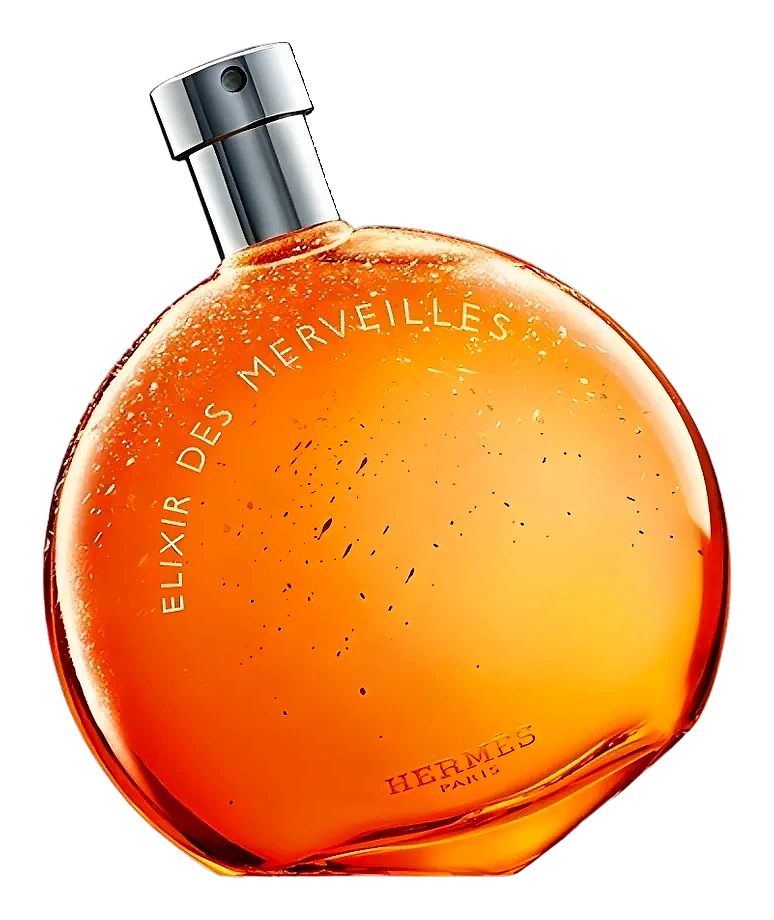
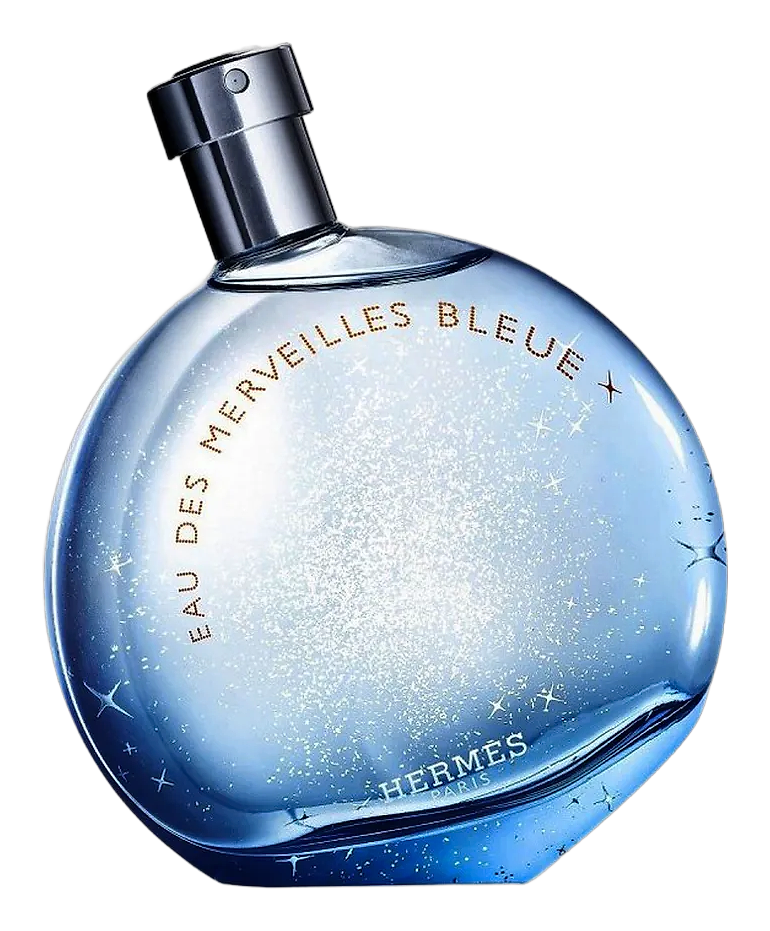
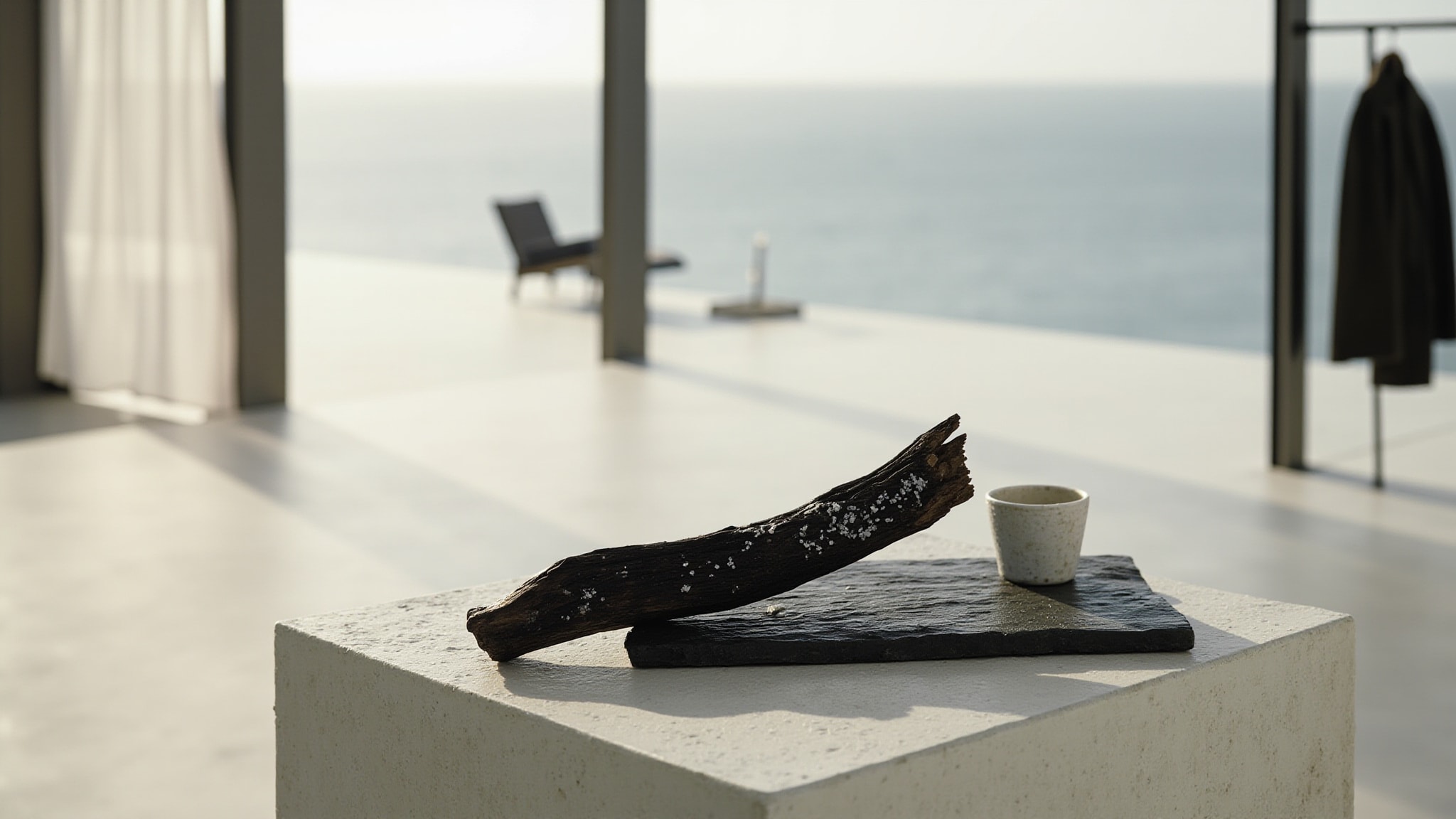
Eau des Merveilles started as a Hermès study in unexpected combinations, amber and iris, wood and orange blossom. The Bleue chapter turns that curiosity toward the coast. Christine Nagel, who joined Hermès in 2013 and counts this among her earliest independent creations, wanted to capture the mineral tension of cold sea air meeting sun-warmed shore. Not a postcard ocean. The sharp, briny kind that makes you pull your jacket tighter. Patchouli enters the equation because Nagel refuses to let anything float away unanchored. Even water needs something to hold onto.
Sea notes anchor this composition, but mineral salt is what makes it interesting. Where most marine fragrances lean into coconut or tropical flowers, Eau des Merveilles Bleue stays cold. The juniper berry adds an aromatic lift that keeps it from feeling like a generic aquatic. Then there's the patchouli, present throughout the drydown, adding an earthy warmth that extends the wear and prevents the whole thing from evaporating into nothing. This isn't a beach fragrance. It's the kind of coastal moment that stays with you because it didn't try too hard.
The evolution
The opening hits like cold ocean spray, sharp, immediate, a little electric. Mineral salt on the tongue. There's something synthetic here, intentional, the kind of modern minimalism that either reads as sophisticated or artificial depending on your tolerance for lab-made materials. The heart shifts slowly. Sea salt and woody notes emerge as the juniper softens, but patchouli becomes more apparent, adding warmth as the sharp opening fades. Mineral notes linger throughout, keeping the composition grounded in that cold, salty coastal character rather than drifting into sweetness. The drydown is patchouli and wood. The sea notes don't fully disappear, but the mineral quality becomes more pronounced, dry, almost dusty on fabric. On skin, it settles close and intimate, projecting nothing, lasting into the afternoon.
Cultural impact
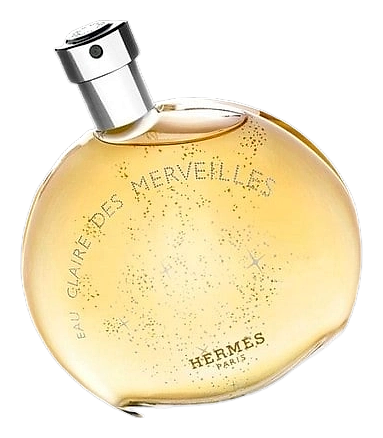
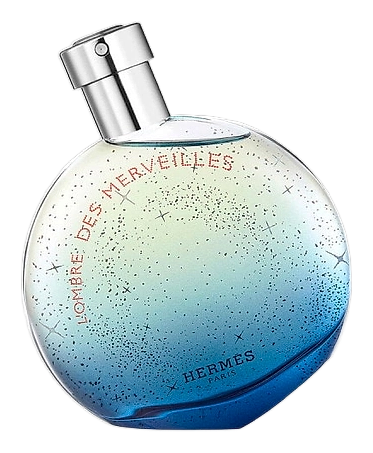
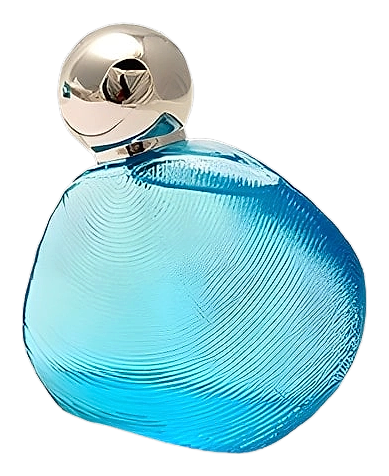
Hermès occupies a particular corner of luxury, understated, intellectual, more likely to be found in a library than a nightclub. This fragrance fits that positioning. It doesn't announce itself. The bottle, designed by Serge Mansau, has the clean geometry the house favors, substantial, lasting, a beautiful object as much as a vessel for scent.