The Story
Why it exists.
The beginning
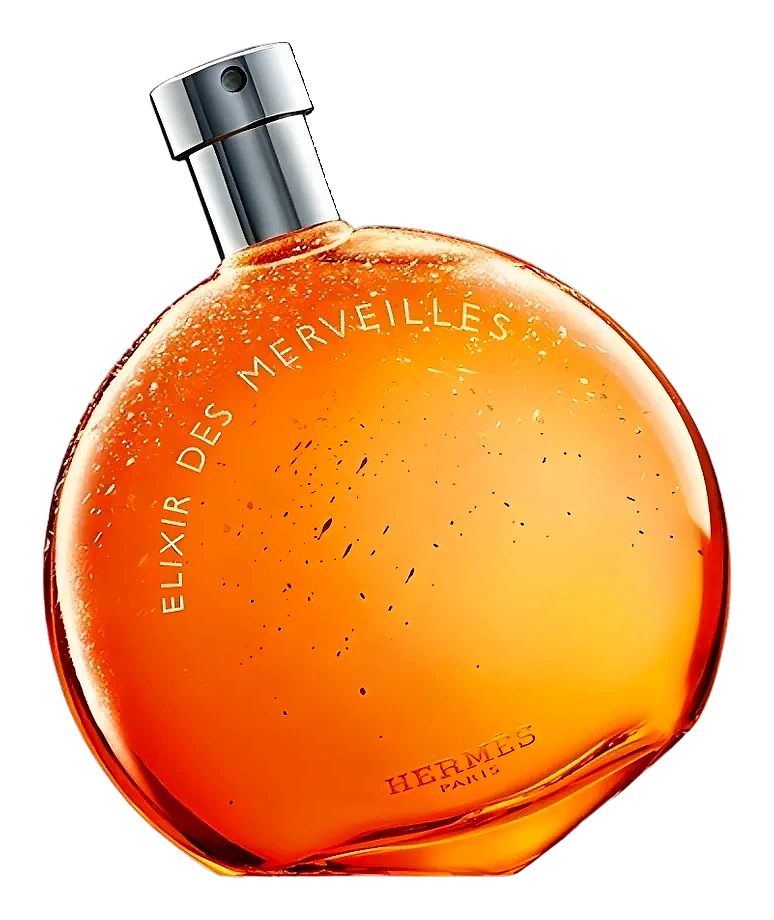
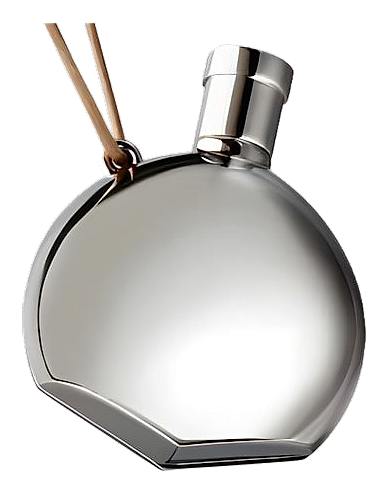
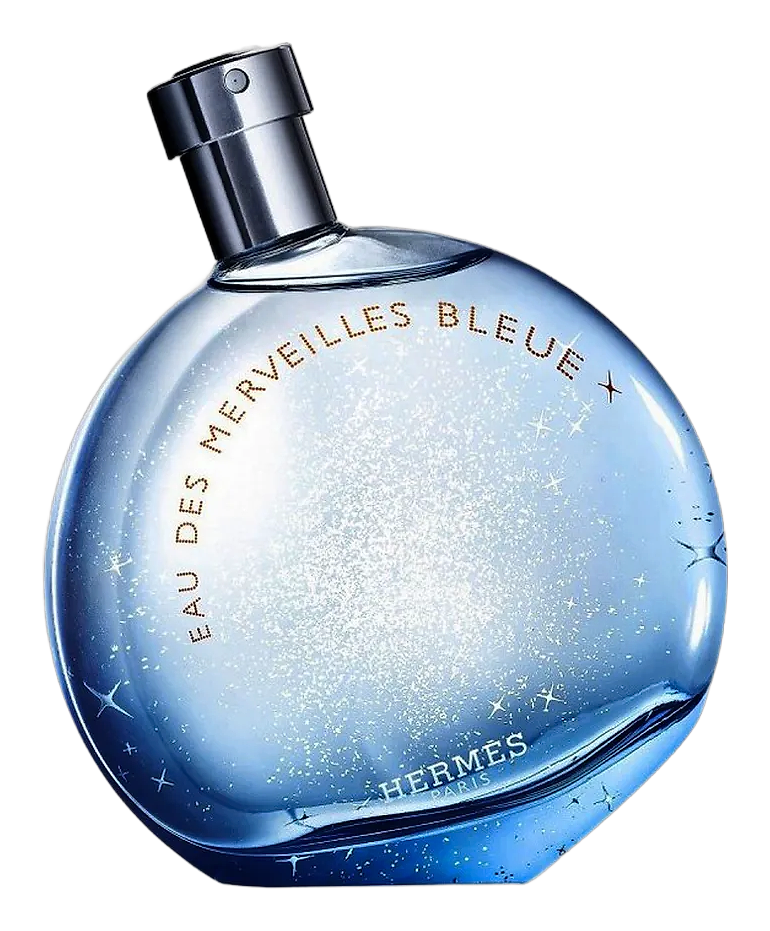
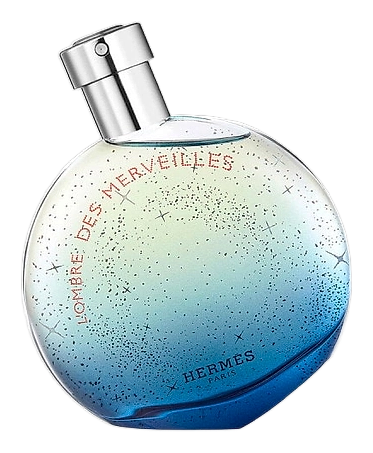
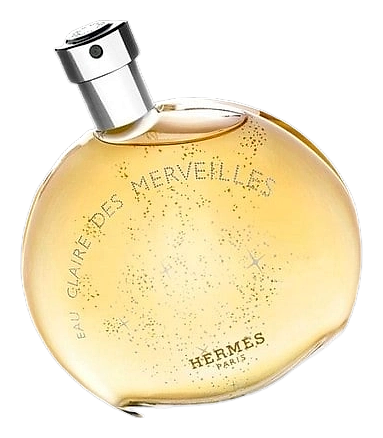
Eau Claire des Merveilles arrived in September 2010 as the third chapter in Hermès's Merveilles collection, following the amber-woody Eau des Merveilles and the EDT's companion. The name says it plainly: a clear water version, a luminous reinterpretation. Jean-Claude Ellena, the house's in-house perfumer, had built his tenure on minimalism, compositions he called 'olfactory watercolours' that suggest rather than declare. With Eau Claire des Merveilles, he applied that philosophy to a feminine context: a fragrance that opens like fresh air and settles into something warmer, without ever asking for attention.
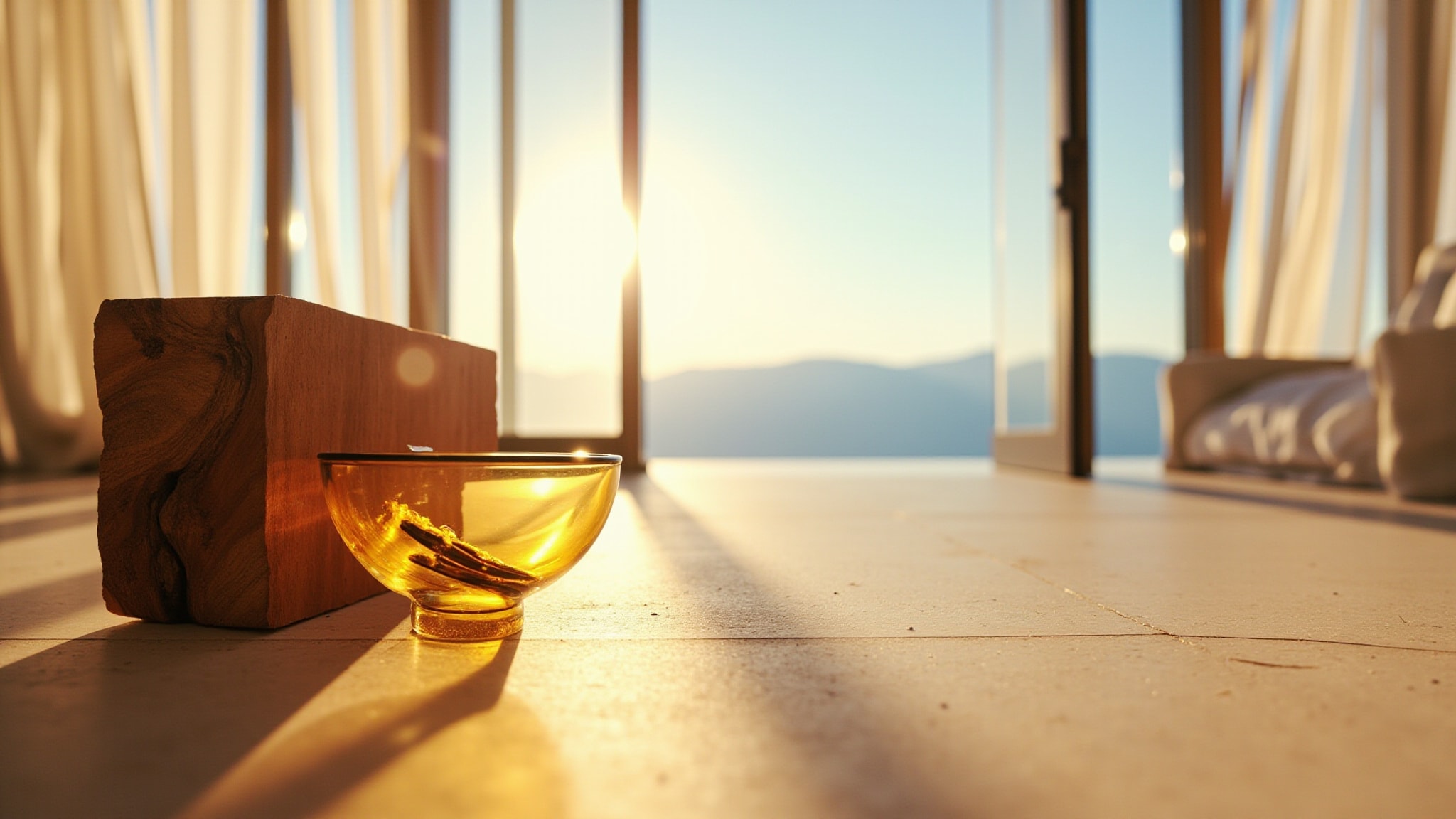
What makes this structure interesting is the tension between airiness and warmth. Aldehydes typically bring lift and a certain vintage elegance, they can feel soapy, almost powdery, but Ellena paired them here with vanilla and amber, which ground the composition and prevent it from reading as purely delicate. The base of oakmoss, cedar, and vetiver brings a woody sophistication that keeps the whole thing from floating away entirely. It's a fragrance that wants to be light but knows how to hold its own.
The evolution
The opening hits clean: citrus brightness immediately softened by aldehydes, a soapy-floral lift that feels brisk and airy. Within twenty minutes, the florals and vanilla take over, warm, powdery, intimate. The amber doesn't rush in; it seeps slowly, blending with the aldehydic softness until the whole composition reads as one continuous warm glow. By the second hour, the cedar and vetiver arrive quietly in the base, adding structure without weight. On fabric, it lingers past six hours. On skin, four to six, moderate sillage, close wear, the kind of presence that requires someone standing beside you to notice. The next morning, a faint vanilla-wood trace remains, soft as memory.
Cultural impact
Eau Claire des Merveilles sits in a particular corner of the Hermès collection: not the boldest, not the most experimental, but perhaps the most wearable of the Merveilles line. It attracted a wearer who wanted the house's quiet confidence without the declaration of something like Calèche. Ellena's broader influence, that philosophy of suggestion over assertion, shaped a generation of French perfumery toward restraint. This fragrance is a quiet artifact of that shift.