
The Story
Why it exists.
The beginning
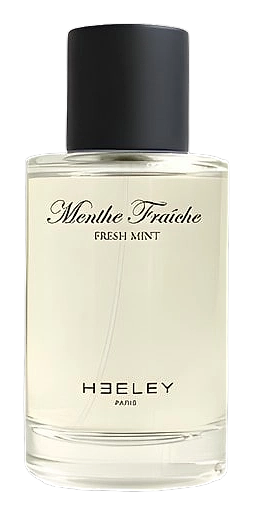
Menthe Fraîche arrived in 2006 from James Heeley and David Maruitte, two designers-turned-perfumers working from a Paris atelier. The name is French for 'fresh mint', no mystery, no metaphor. The idea was simple: take mint leaf and follow it somewhere interesting. Not a mint fragrance that smells like dental hygiene. A mint fragrance that smells like the plant itself, crushed between fingers, before it becomes anything else.
What makes Menthe Fraîche work is the restraint. Mint can be overwhelming, an assault of menthol that clears your sinuses and nothing else. Here, the bergamot cuts the mint's sharpness just enough to keep it from being one-note. The green tea in the heart introduces a slight bitterness, an herbal quality that grounds what could otherwise float away. And the cedar at the base isn't dramatic, it's quiet, almost skin-like, the part that lingers after the mint has mostly gone. The composition doesn't pile materials on top of each other. It builds downward, from bright to warm, from volatile to steadfast.
The evolution
The opening hits fast, crushed mint leaf, cold and wet, with a flash of Sicilian bergamot that reads almost citrus-sharp before it settles. Thirty minutes in, the green tea emerges. Not sweet, not floral, bitter, slightly vegetal, like actual tea leaves steeping. The freesia is subtle here, a cool floral whisper rather than a statement. By the second hour, the mint has receded significantly. What's left is the green tea and something warmer underneath, the cedar, barely there, clean and slightly woody. The drydown on skin is intimate, close, the kind of scent you have to lean in to find. On fabric, it fades faster. The whole arc takes roughly 4-6 hours depending on your skin, with the cedar making the quietest exit, still there if you look for it, but no longer announcing itself.
Cultural impact
Menthe Fraîche occupies a specific corner of niche perfumery, the 'realistic single ingredient' approach that Heeley does well. Wearers consistently describe it as the mint fragrance that doesn't smell like toothpaste, positioning it as an alternative to both designer fresh fragrances and synthetic mint accords. It's the kind of scent that appears on 'best mint fragrances' lists without fanfare, quietly outperforming more aggressively marketed options.