    Brand Profile

    James Heeley is a Paris-based independent perfume house founded in 2001 by British designer and perfumer James Heeley. As an owner-founder h…More

    France·Est. 2001·Site

    2

    Fragrances

    4.2

    Rating

    Just Landed

    New Arrivals

    The latest additions to the James Heeley collection.

    31
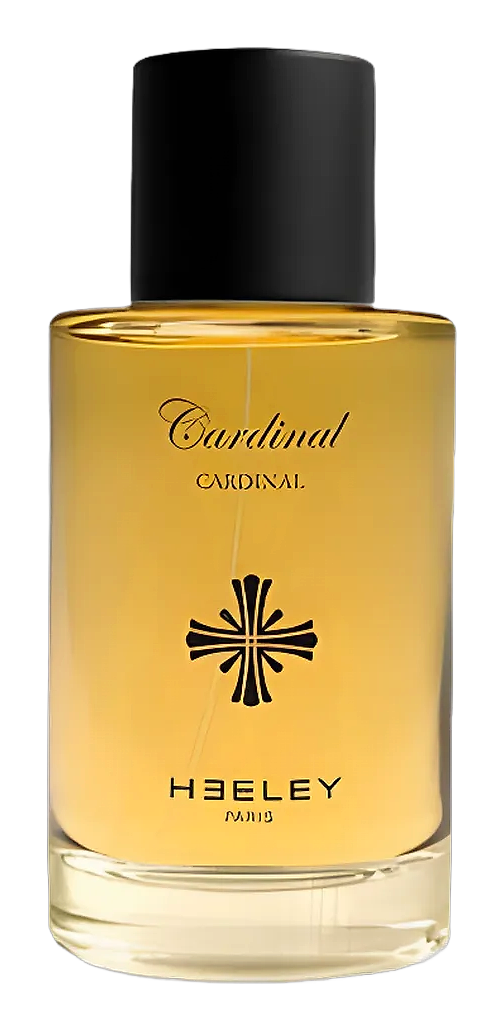
    Cardinal by James Heeley – Eau de Parfum
    4.2

    Cardinal

    Eau de Parfum

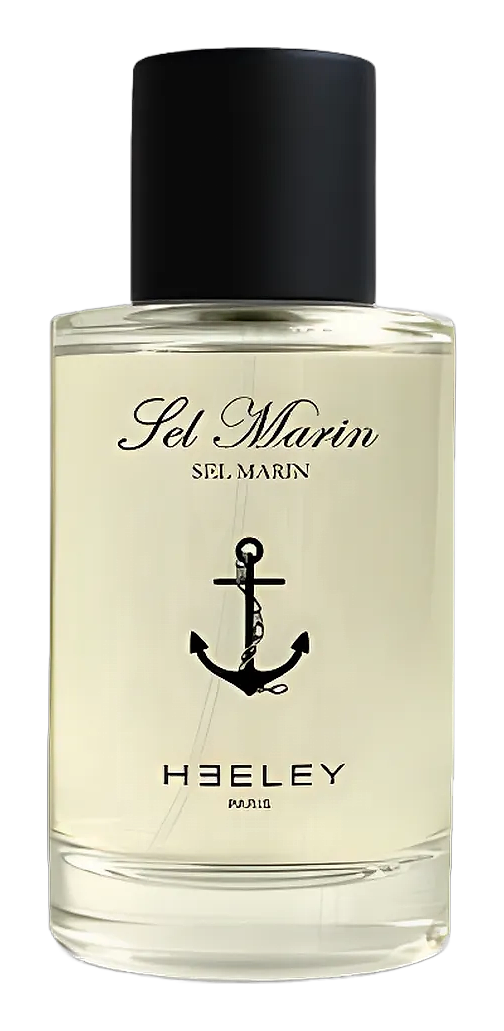
    Sel Marin by James Heeley – Eau de Parfum
    4.1

    Sel Marin

    Eau de Parfum

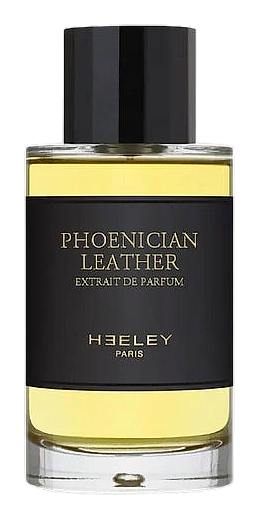
    Phoenician Leather by James Heeley
    NewBest Seller
    4.7

    Phoenician Leather

    Cologne Officinale by James Heeley
    Best Seller
    4.3

    Cologne Officinale

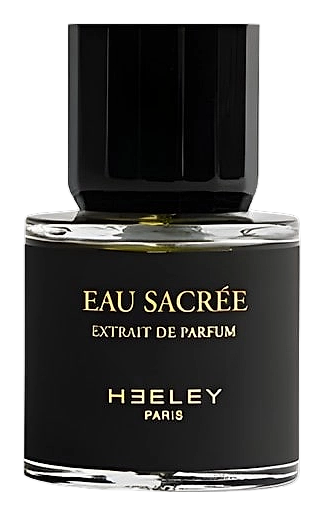
    Eau Sacree by James Heeley
    Best Seller
    4.3

    Eau Sacree

    Palm by James Heeley
    4.2

    Palm

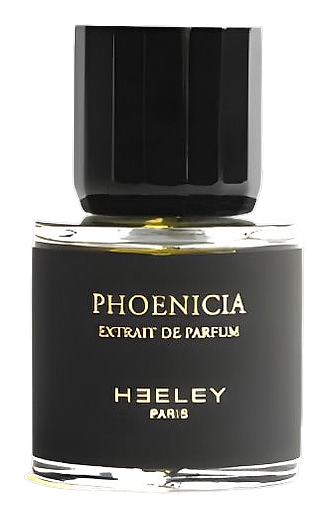
    Phoenicia by James Heeley
    4.1

    Phoenicia

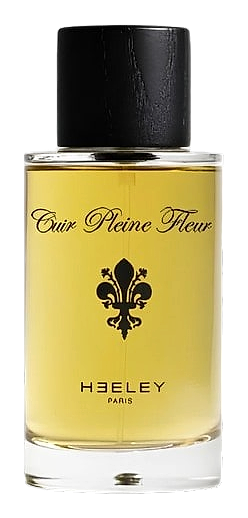
    Cuir Pleine Fleur by James Heeley
    4.1

    Cuir Pleine Fleur

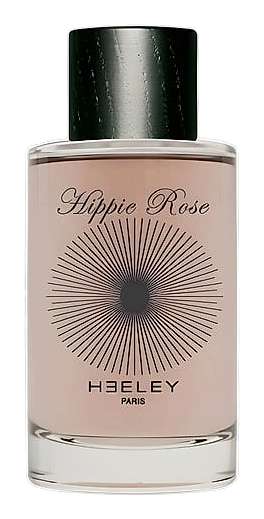
    Hippie Rose by James Heeley
    4.0

    Hippie Rose

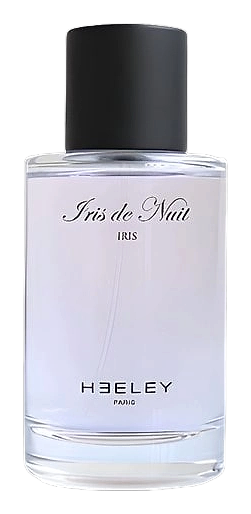
    Iris de Nuit by James Heeley
    4.0

    Iris de Nuit

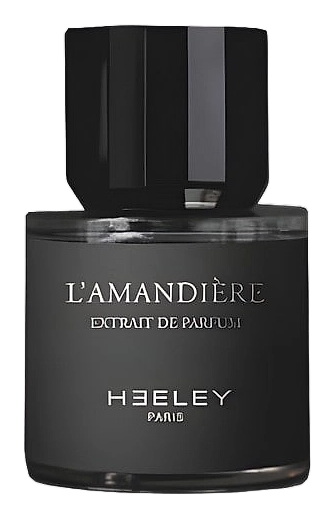
    L'Amandiere by James Heeley
    4.0

    L'Amandiere

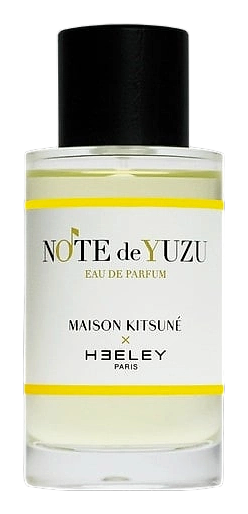
    Note de Yuzu by James Heeley
    4.0

    Note de Yuzu

    1 of 3

    The Heritage

    The Story of James Heeley

    James Heeley is a Paris-based independent perfume house founded in 2001 by British designer and perfumer James Heeley. As an owner-founder house operating outside the traditional luxury conglomerate structure, Heeley maintains complete creative control over every fragrance it produces. The collection reflects its founder's background in design and a persistent curiosity for natural forms, producing scents that often explore singular ingredients or unexpected material combinations. With a relatively compact catalog compared to larger niche houses, each release represents a deliberate creative statement rather than market expansion.

    Heritage

    James Heeley began his creative career as a designer before discovering an interest in scent during the late 1990s. His first fragrance work came through candle design: Figuier Edition 1 launched in 1998 as a scented candle before Heeley began developing it as a wearable perfume. This origin story, documented in a New York Times T Magazine profile, reflects the house's design-first approach to fragrance creation. Heeley formally established his Paris-based perfume house in 2001, operating independently from the start. The brand occupies a distinctive position among European fragrance houses as one of the few owner-founder operations, a structure that allows sustained creative direction without external commercial pressure. Notable fragrances include Phoenician Leather (2025), Eau Sacree (2016), Phoenicia (2015), Palm (2013), and Hippie Rose (2011). The house has maintained a deliberate release schedule rather than pursuing rapid expansion, with fragrances like Cardinal and Sel Marin becoming established entries in the niche fragrance collector's vocabulary. The brand's European independence has been cited in multiple fragrance industry publications as a defining characteristic of its business model and creative philosophy.

    Craftsmanship

    James Heeley operates as both creative director and perfumer, a dual role that shapes the house's production methodology. All fragrance development occurs under direct founder involvement, with no external perfumers engaged for standard releases. This integrated approach means every formula reflects deliberate creative choices made within a single sensibility rather than through collaboration or delegation. The brand's production scale remains deliberately modest, supporting the founder's hands-on involvement in each fragrance's development. Ingredient sourcing follows no fixed public protocol, though the house has developed relationships with material suppliers supporting its specific creative requirements. The transition from candle design to wearable perfume production required Heeley to adapt his olfactory approach, learning how materials behave differently when formulated for skin rather than burning in wax. This technical learning curve, documented in interviews with the founder, shaped an understanding of fragrance performance that informs current production methods. Quality control occurs through direct oversight rather than systematic testing protocols, reflecting the house's boutique production scale.

    Design Language

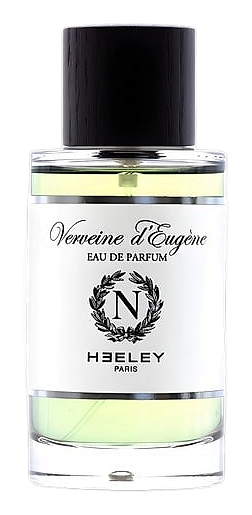
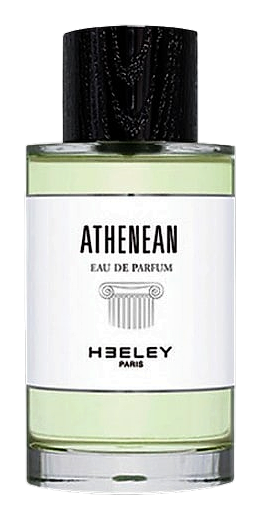
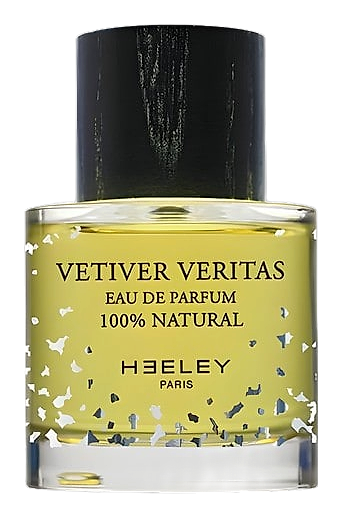
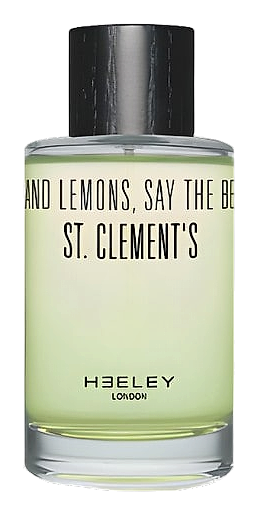
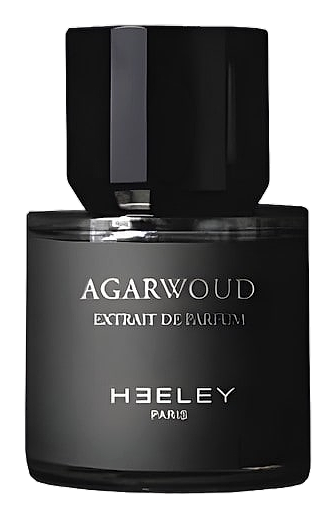
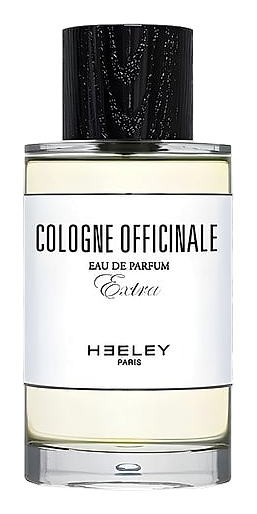
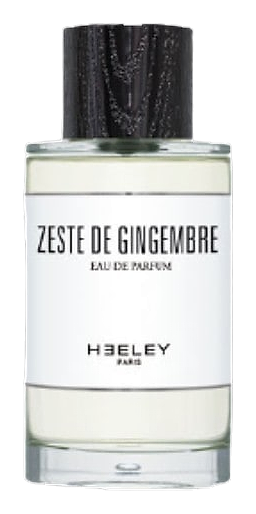
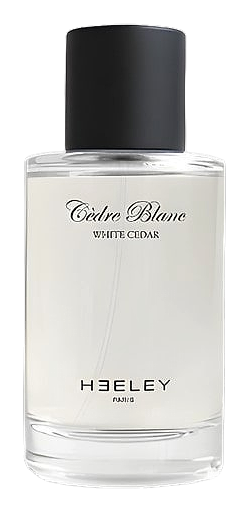
    Heeley's visual presentation maintains a restrained, confident minimalism aligned with the brand's compositional philosophy. Packaging and bottle design emphasize clean lines and functional clarity over decorative elaboration. The house uses simple typography and neutral color palettes, allowing the fragrance names and compositions to carry primary communicative weight. This understated approach extends to the brand's marketing and presentation, avoiding elaborate storytelling or lifestyle positioning in favor of direct engagement with the scents themselves. Bottle construction follows practical considerations with materials selected for durability and aesthetic coherence rather than luxury signaling. The overall visual identity positions Heeley as an intellectual fragrance brand, appealing to collectors and enthusiasts who prioritize compositional substance over ostentation. This aesthetic consistency across releases reinforces the brand's identity as a focused creative operation rather than a diversified lifestyle company.

    Philosophy

    The Heeley aesthetic centers on clarity, precision, and an almost architectural approach to fragrance composition. James Heeley's background as a designer translates into fragrances that treat scent as a structural problem: how to build something coherent from specific materials, each serving a defined purpose. This approach produces fragrances that often focus on single ingredients or narrow thematic territories rather than pursuing complexity for its own sake. The brand's creative process appears to prioritize genuine discovery over market trends, with fragrances like Sel Marin exploring marine notes or Palm examining green fig concepts as genuine artistic inquiries rather than trend responses. Nature serves as the primary influence and reference point across the collection, though not in a literal botanical sense. Instead, Heeley describes his work as responding to natural forms and textures, translating organic experiences into olfactory compositions. The independence of the house means these explorations proceed without commercial oversight or quarterly performance requirements, allowing fragrance development to follow its own timeline and creative logic.

    Key Milestones

    1998

    Figuier Edition 1 launches as a scented candle, marking Heeley's entry into fragrance work

    2001

    James Heeley formally establishes his Paris-based independent perfume house

    2011

    Hippie Rose releases, one of the house's earliest widely discussed fragrances

    2013

    Palm fragrance launches, exploring fig and green note territory

    2015

    Phoenicia releases, expanding the house's aromatic portfolio

    2016

    Eau Sacree launches to critical attention from fragrance reviewers

    At a Glance

    Brand profile snapshot

    Origin

    France

    Founded

    2001

    Heritage

    25

    Years active

    Collection

    2

    Fragrances released

    Avg Rating

    4.2

    Community sentiment

    Release Rhythm

    2025
    2
    2023
    1
    2021
    2
    2020
    1
    2018
    1
    2017
    1
    2016
    1
    2015
    2
    heeleyparfums.com

    Did You Know?

    Interesting Facts

    Distinctive details and defining moments that shape the house personality.

    01

    James Heeley began his career in design before creating fragrance, making him part of a small group of perfumers with non-fragrance creative backgrounds.

    02

    The house's first commercial fragrance work originated as a candle rather than a perfume, a reverse of the typical industry progression from skin to home.

    03

    Heeley operates as both founder and sole perfumer, a rarity in a profession where most creative directors work with external compounding houses.

    04

    The brand has maintained its independent ownership structure since founding, operating outside the acquisition strategies that have consolidated many niche houses under larger corporations.

    The Artisans

    The Perfumers